




详情描述
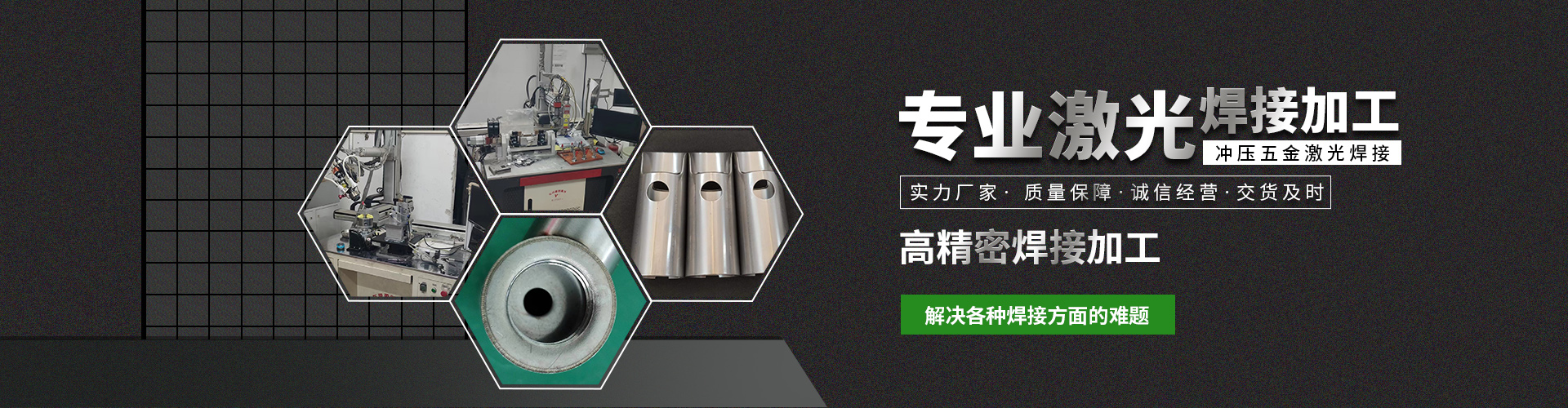
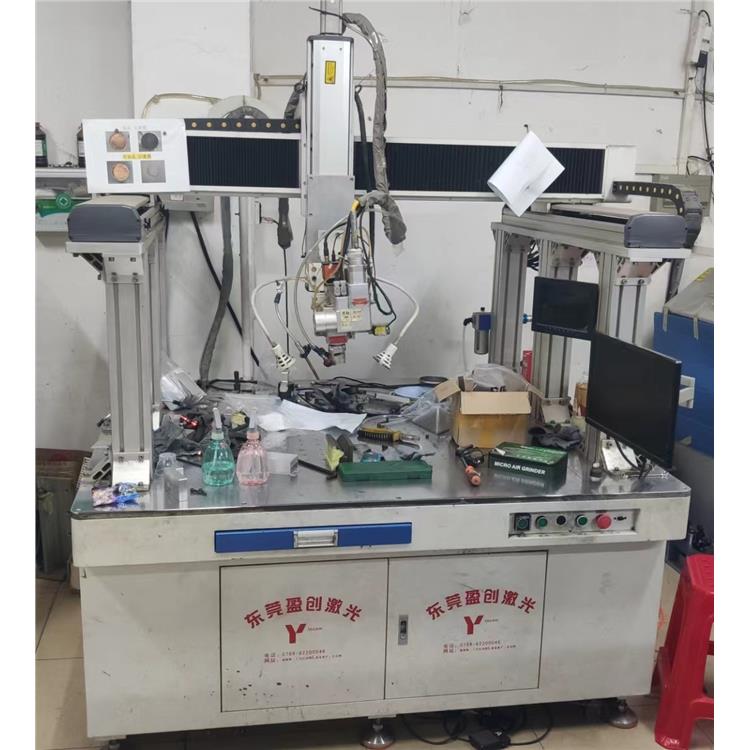
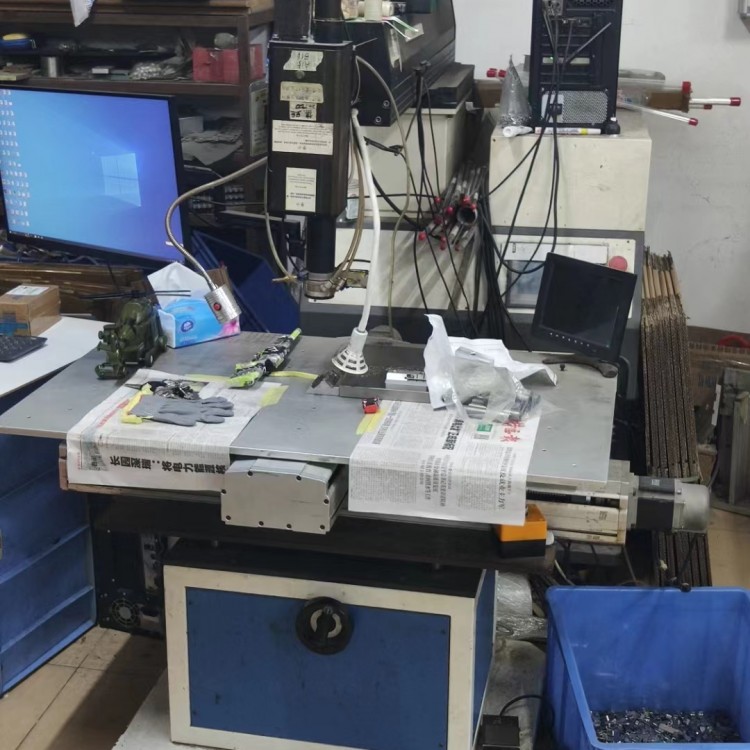
Iron product laser welding processing is an efficient and precise welding technique widely used in manufacturing, particularly in industries such as automotive, machinery, electronics, and construction. Laser welding employs a high-energy laser beam as a heat source, focusing the laser onto the welding area to rapidly heat the metal to its melting point, thereby achieving welding. Here are some key points about iron product laser welding processing:
Principle of laser welding
Laser Source: Laser welding typically employs fiber laser, CO2 laser, or solid-state laser.
Focus: The laser beam is focused onto the welding area through an optical system, forming a high-temperature molten pool.
Welding Process: A laser beam is directed onto the joint of the iron product, causing the metal to rapidly melt and form a weld. After cooling, the molten metal solidifies, creating a strong焊接joint.
2. Advantages
High Precision: Laser welding achieves high precision welding, suitable for complex shapes and small-sized parts.
Small Heat Affected Zone: Laser welding has a relatively small heat affected zone, reducing material deformation and stress.
Rapid welding speed: Laser welding is fast, suitable for mass production.
High degree of automation: Laser welding can be integrated with automated equipment to enhance production efficiency.
3. Applicable Materials
Iron and its alloys: Laser welding is suitable for various iron products, including carbon steel, stainless steel, and alloy steel, etc.
Other Metals: Besides iron products, laser welding is also suitable for welding other metals such as aluminum and copper.
4. Application Fields
Automotive Manufacturing: Welding for body structural components, undercarriage, and engine parts.
Mechanical manufacturing: For assembly of machinery and connection of parts.
Electronics Industry: Used for welding electronic components, such as circuit boards and connectors.
Construction Industry: Used for welding and assembly of steel structures.
Welding Process
Welding parameters: Laser power, welding speed, focal position, and protective gas, among others, must be optimized based on the material and welding requirements.
Protective Gas: Typically, inert gases such as argon, nitrogen, or carbon dioxide are used to prevent oxidation and contamination during the welding process.

询价单


