





详情描述
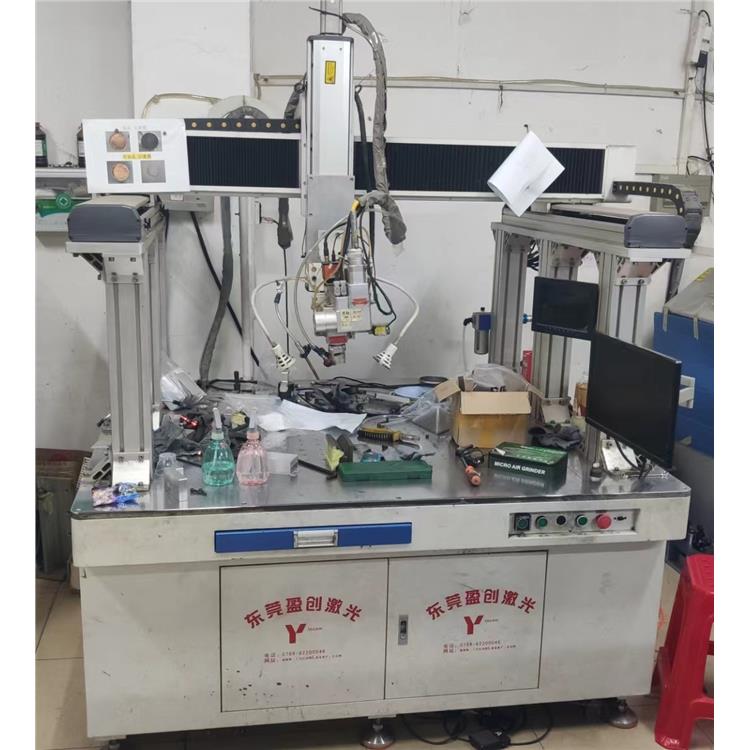
Aluminum alloy, as a lightweight and high-strength material, is widely used in aerospace, automotive manufacturing, electronics, and other industrial sectors. Laser welding technology, as an efficient and precise joining method, has seen increasing application in the processing of aluminum alloy products in recent years.
The characteristics of aluminum alloy laser welding are mainly reflected in the following aspects:
High Energy Density: Lasers offer high energy density, enabling rapid heating of the welding area, effectively reducing the heat-affected zone, and minimizing deformation and stress concentration. This is particularly crucial when dealing with aluminum alloys, as they are sensitive to heat and prone to deformation and melting.
Fast welding speed: Laser welding offers a quick welding process, significantly enhancing production efficiency. Particularly in mass production, laser welding provides the production line with greater flexibility and efficiency.
High weld quality: Laser welding achieves fine and uniform welds, resulting in superior weld quality compared to traditional welding methods, significantly reducing defects such as gas pores and slag. Furthermore, due to the high focus of the laser, deep penetration welding is more easily achieved during the process, meeting the requirements for high-strength connections.
Adaptable: Laser welding is suitable for various aluminum alloys, including sheets, profiles, and castings. It can also be adjusted for materials of different thicknesses, offering a broad application range.

However, laser welding of aluminum alloys also faces some challenges:
High Reflectivity: Aluminum alloy materials have a higher reflectivity to laser, which may reduce welding efficiency. To address this issue, it is usually necessary to select appropriate laser wavelength and welding parameters.
Oxide Film Interference: Aluminum alloys tend to form an oxide film on their surface, which can affect the quality of the welding process. Therefore, surface treatment is required before welding to remove the oxide film, ensuring good contact at the welding site.
Joint Strength: Although laser welding can provide high-quality welds, the strength of the joint may not be as high as traditional welding methods (such as TIG welding) in some cases. Therefore, in practical applications, it is necessary to consider both the welding process and material properties to choose the appropriate welding method.
In summary, laser welding technology for aluminum alloy products offers significant advantages in enhancing welding efficiency and seam quality, though it also presents certain technical challenges. As laser welding technology continues to evolve and refine, its application prospects in aluminum alloy welding will expand even further.
询价单


