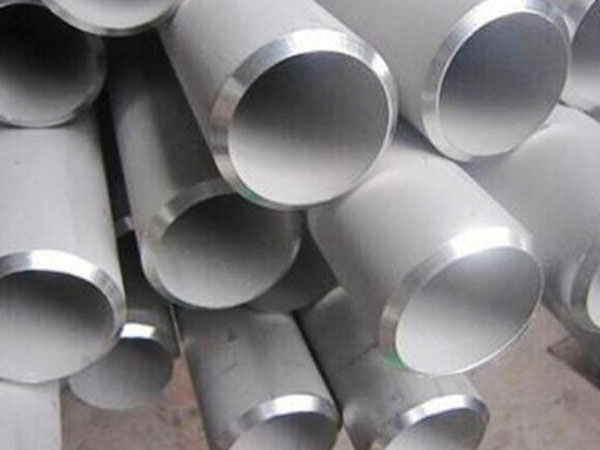
304 stainless steel tube
 316 Stainless Steel Pipe
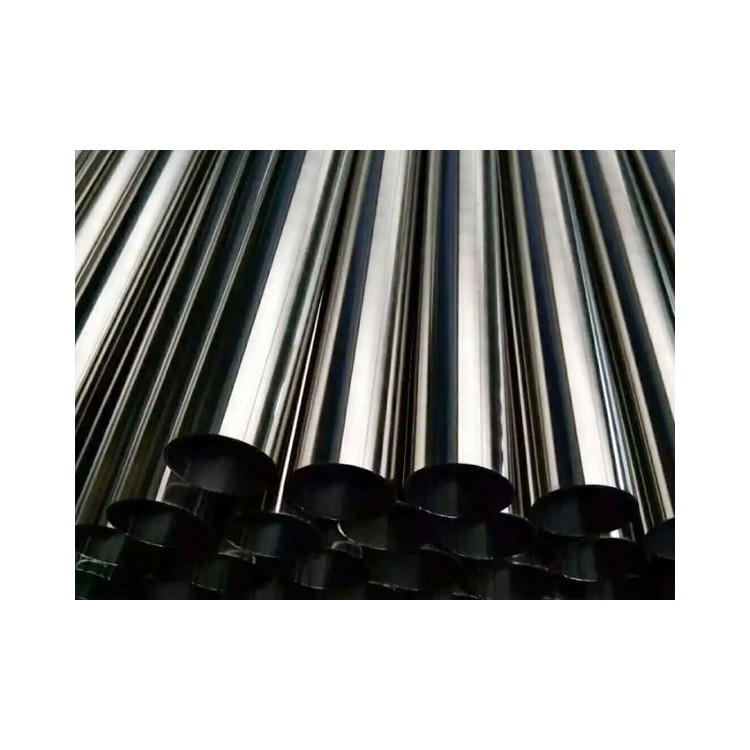 316 Stainless Steel Decorative Tube
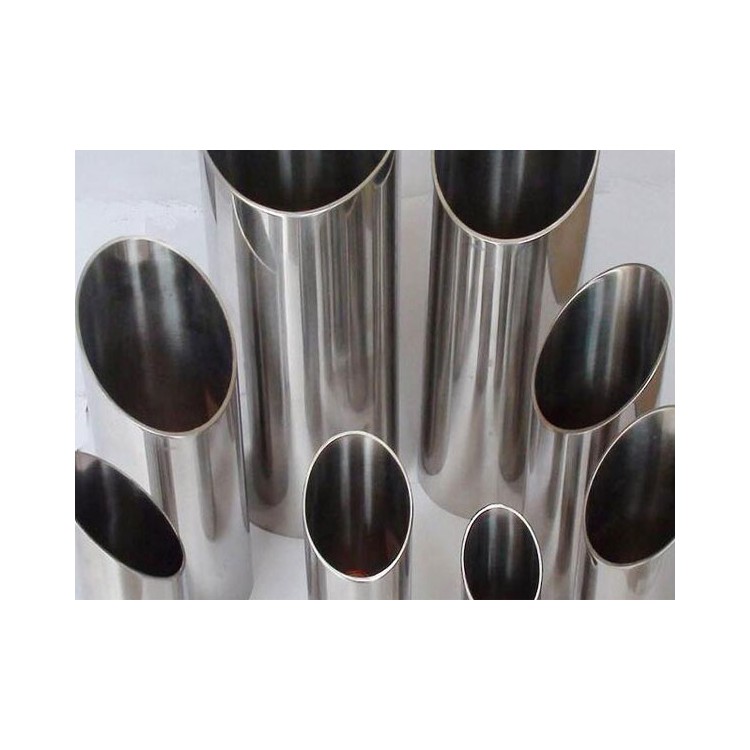 304 Stainless Steel Decorative Tube
Product Details

General Projects: Sales of metal products; Sales of metal materials; Sales of construction materials; Sales of decorative building materials; Sales of hardware products; Sales of mechanical parts and components; Sales of machinery and equipment
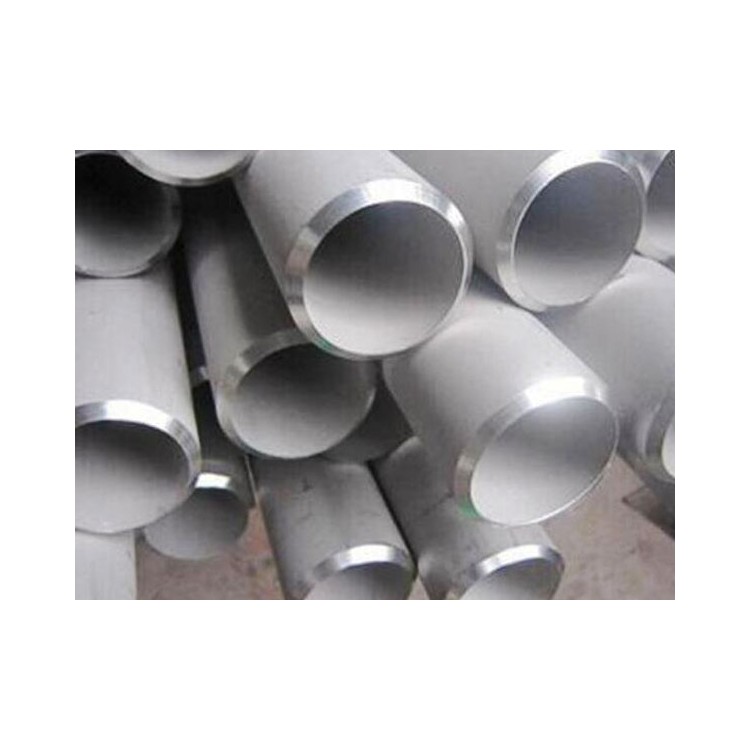
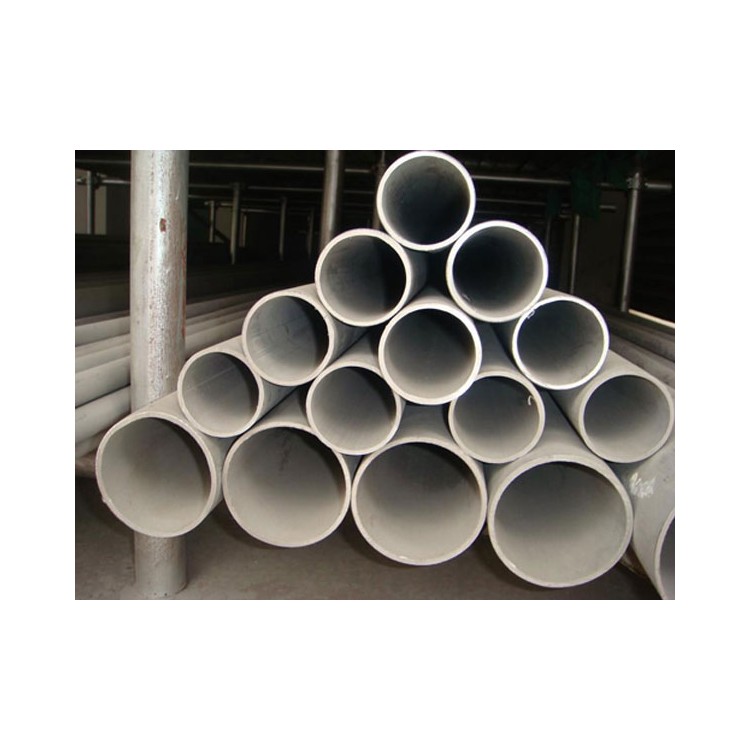
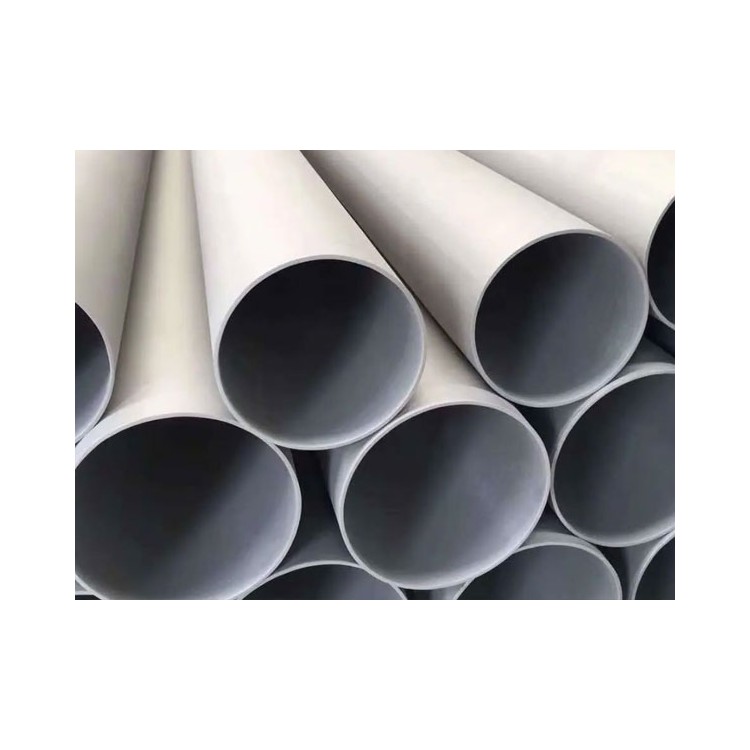
产品Price 26000.00/ton
最小起订Quantity:1 ton 供货总Quantity: 4000 ton
Stainless steel decorative pipes typically use materials like 201 and 304 stainless steel, while more stringent outdoor conditions or coastal areas may require 316 grade. As long as the environment doesn't easily cause oxidation and rust, any material will suffice. Industrial pipes, however, have higher material requirements, usually opting for 304, 316, and 316L grades. Additionally, decorative stainless steel pipes are generally thinner, with the thinnest being 0.2mm and the thickest 4.0mm. Industrial stainless steel pipes are typically thicker. In terms of material selection and thickness, we know that industrial pipes have higher standards than decorative pipes. Welding requirements for stainless steel industrial pipes differ from those for decorative pipes. Industrial welded pipes have different seam requirements; decorative pipes only demand surface quality, with less stringent control over weld seam sand holes. In contrast, industrial welded pipes often carry liquids or gases, requiring pipe wall pressure and higher welding standards. Decorative pipes cannot transport liquids or gases. Stainless steel industrial pipes, though not as aesthetically pleasing as decorative pipes, demand higher performance. At the same grade of GB 304 material, industrial pipes are more expensive than decorative ones. This is because industrial pipes have higher requirements for material quality, corrosion resistance, ability to withstand high and low temperatures, and high pressure, whereas decorative pipes do not necessitate such stringent standards.