

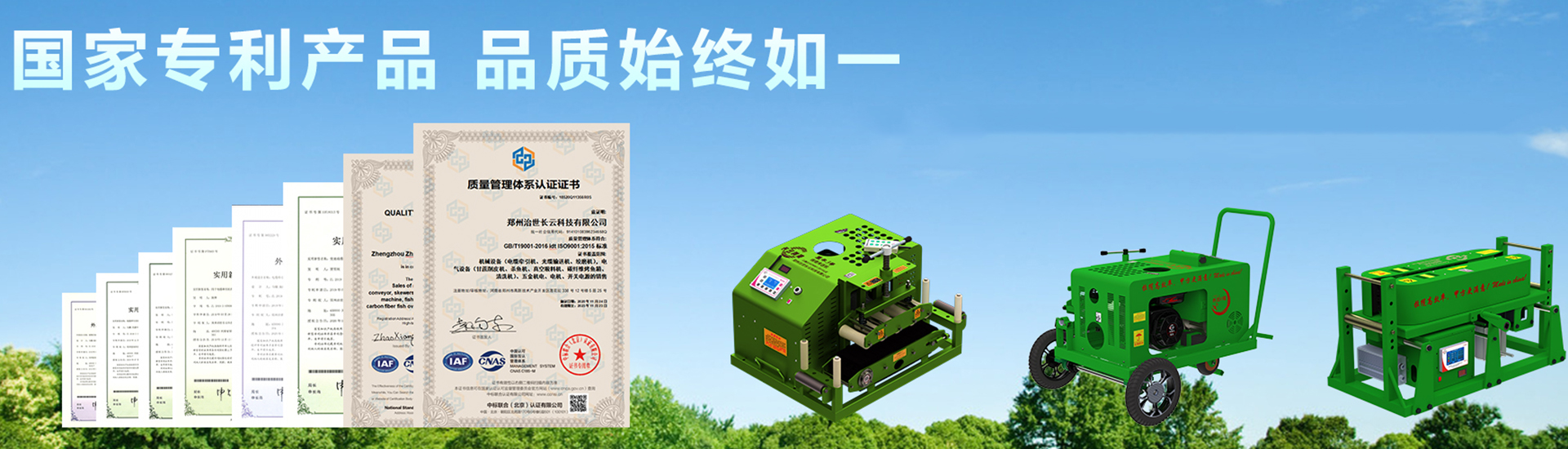


Cable laying has traditionally relied on manual labor, especially for large cross-section power cables, which are labor-intensive and resource-consuming operations. In past construction projects, large-scale cable laying often required a large number of electrical and instrumental employees, yet even this was insufficient, necessitating the hiring of additional workers to assist with the cable laying tasks. The cable laying phase consumed a significant number of specialized construction personnel, causing other engineering activities to halt, directly impacting the overall project progress. By utilizing cable conveyors and other mechanized construction methods, the labor intensity for workers was reduced, and the laborious practice of manual pulling and carrying was replaced with a more civilized approach, thereby decreasing the occurrence of accidents. Moreover, the application of mechanical laying techniques alleviated the pressure of extensive personnel requirements for cable laying, ensuring the progress of other engineering activities, and reversing the previous predicament of being wary of large-scale cable laying.
Cable Conveyer Introduction:
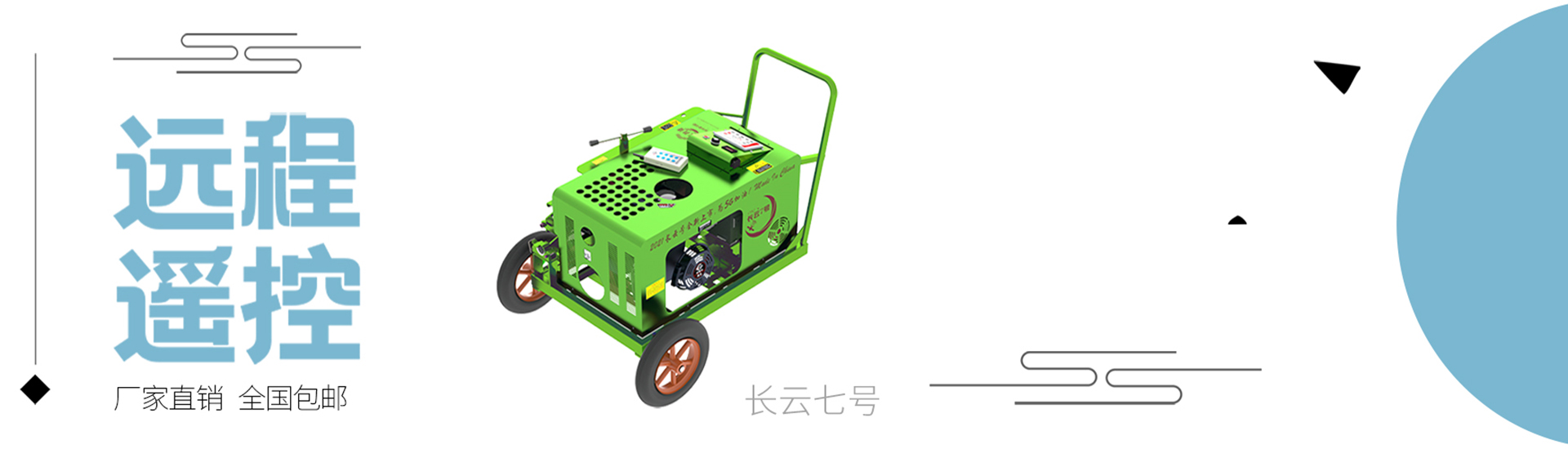
The Cable Conveying Machine is a device used for long-distance transportation of large cross-section cables,不受地形限制,and can also be used for cable laying operations in places such as multi-layer bridge structures and cable trenches where it is difficult for workers to perform long-duration operations. Driven by an electric motor, the machine features two pairs of high-elastic, durable, and wear-resistant conical drive wheels. The cable is pressed between the rubber drive wheels by two rubber sliding wheels, with double-acting pushers moving the cable up and down, featuring a low friction coefficient and high conveying force without damaging the cable. The gap of the conical drive wheels can be adjusted, making it suitable for cables with diameters ranging from 30mm to 110mm. After the cable laying is completed, due to the machine's height of only 340mm, it is also very convenient to remove the cable from inside the machine without causing any bending. The Cable Conveying Machine can be operated independently; each unit is equipped with an internal control box, allowing single operation with the provision of power. The cable can be conveyed forward or backward, suitable for adjusting the length of the cable after laying. It can also be operated in groups simultaneously; each group requires a master control box for grouping operation.
