
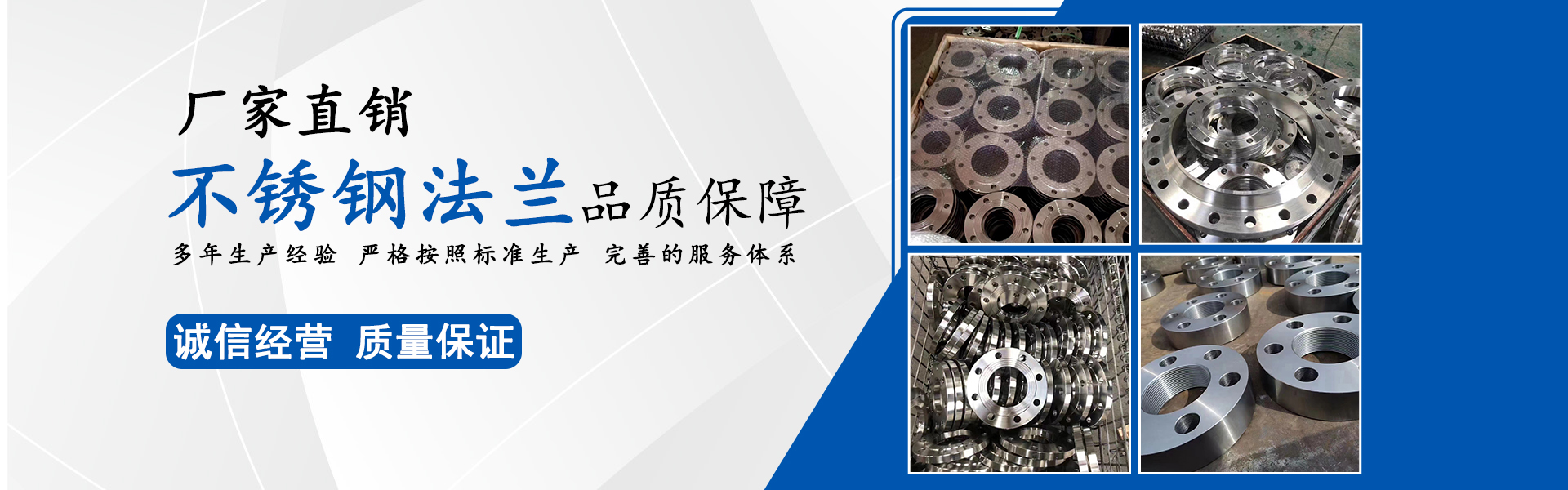
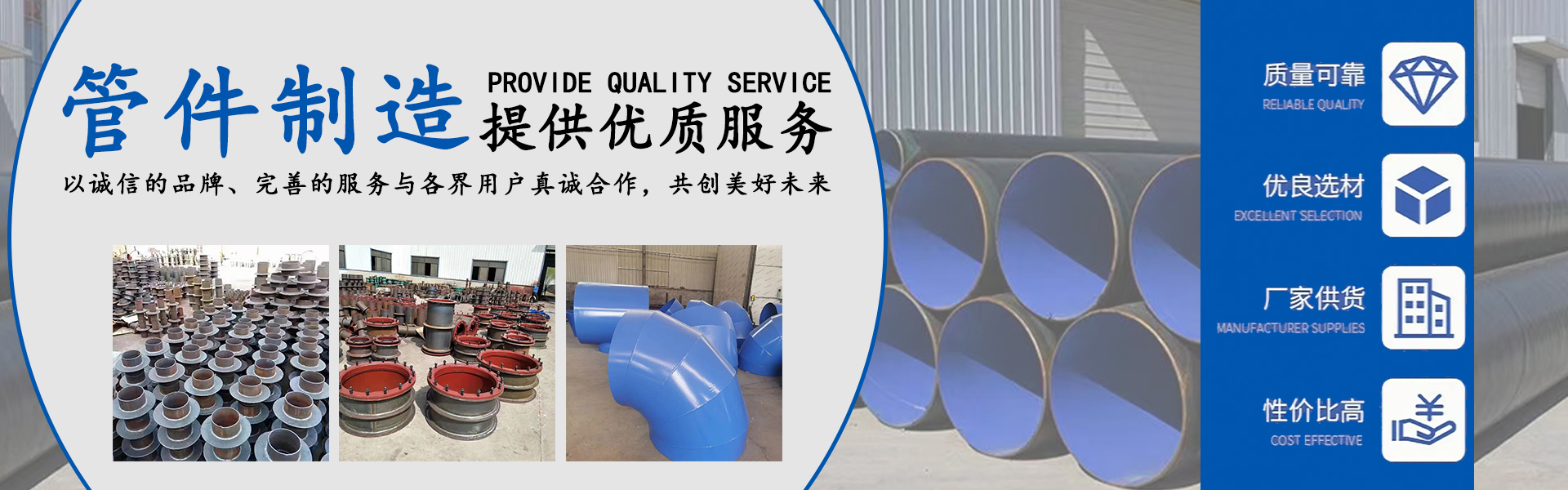

Carbon steel elbow forging is a production process that utilizes forging equipment to apply pressure on metal stock, causing it to undergo plastic deformation, thereby creating cast steel products with specific physical properties, shapes, and dimensions.
Forging is a common shaping method in mechanical equipment manufacturing. Due to its ability to remove casting defects and welding holes in metallic materials, the physical properties of cast steel parts are generally superior to those of castings from the same raw material. In mechanical equipment, for critical components that bear high loads and where working standards are not favorable, most often cast steel parts are chosen, with the exception of simpler components that can be made from cold-rolled plates, aluminum extrusions, or welded parts.
Forging can be categorized into cold forging and hot forging based on the temperature of the billet during production. Cold forging is typically performed at room temperature, while hot forging takes place above the work-hardening temperature of the billet material. Sometimes, forging conducted at temperatures above room temperature but not exceeding the work-hardening temperature is referred to as warm forging. However, this categorization is not uniformly adopted in production.
