


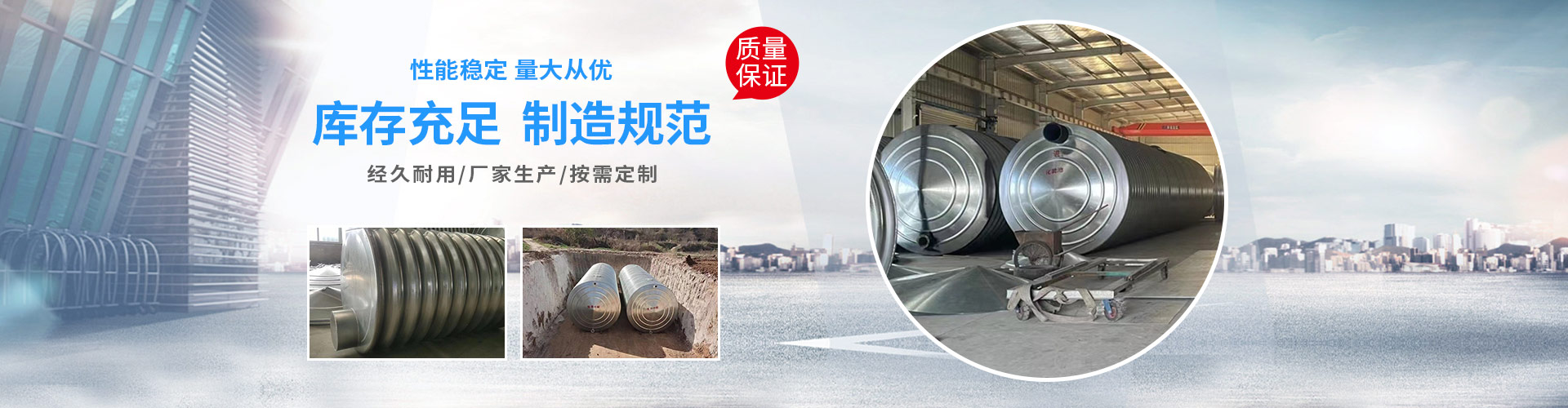




A fire water tank is a facility used for storing fire-fighting water. It is typically a large water storage tank or reservoir designed to supply the fire protection system and prevent water shortages during a fire. Fire water tanks are usually installed near the fire pump room or the building and connected to the fire water network. In the event of a fire, the fire water tank provides ample water volume and pressure to ensure that firefighting equipment operates properly. Additionally, regular maintenance and inspections are required for the fire water tank to ensure its proper functioning and the safety of stored water.
The features of the water storage tank include the following:
1. Strong water storage capacity: Water tanks usually have a large capacity, capable of storing substantial amounts of water, meeting daily domestic or firefighting water needs.
2. Enhanced Water Supply Stability: The water storage tank can provide a stable water source under conditions of unstable system pressure or water supply interruption, ensuring continuous water supply.
3. Resource Conservation: Water tanks can store rainwater and other reusable water resources, thereby reducing reliance on groundwater or tap water, and achieving effective water resource utilization.
4. Emergency Response: Water tanks can serve as a backup water source during emergencies, such as natural disasters or water contamination, providing emergency water supply.
5. Safe and Reliable: The water tank is designed with a robust structure and has undergone rigorous inspections and testing to ensure its safety and reliability during use.
In summary, a water storage tank is a crucial facility for water resource storage, featuring strong storage capacity, increased stability in water supply, resource conservation, preparedness for emergencies, and safety and reliability.
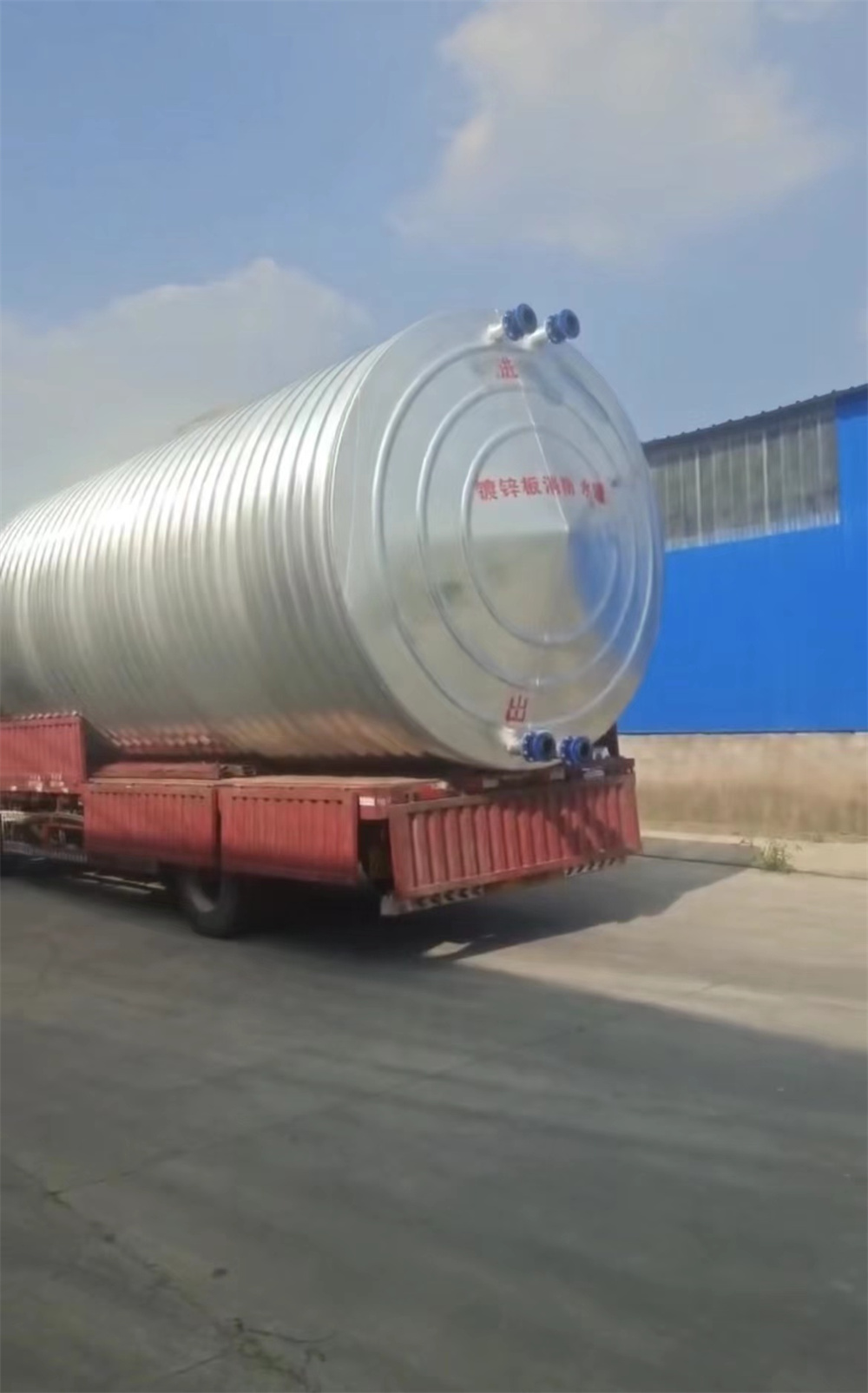
A watering can is a tool used for watering plants and cleaning indoor and outdoor environments. Its main features include the following:
1. Moderate Capacity: The watering can typically ranges from 1 to 10 liters, suitable for carrying and use.
2. Easy to Use: Watering cans typically come with handles and nozzles, making it convenient for users to control the water flow and the range of sprinkling.
3. Lightweight and portable: Water sprayers are typically made of plastic or metal, which are lightweight and easy to carry and use.
4. Adjustable Spray Patterns: The nozzle of the watering can typically offers various spray settings, including direct stream, mist spray, and medium-strength spray, to accommodate different watering and cleaning requirements.
5. Easy to Clean: The watering can has a large opening for easy cleaning and refilling.
Overall, the watering can features moderate capacity, ease of use and portability, as well as adjustable spray modes, making it a convenient and practical tool for watering.
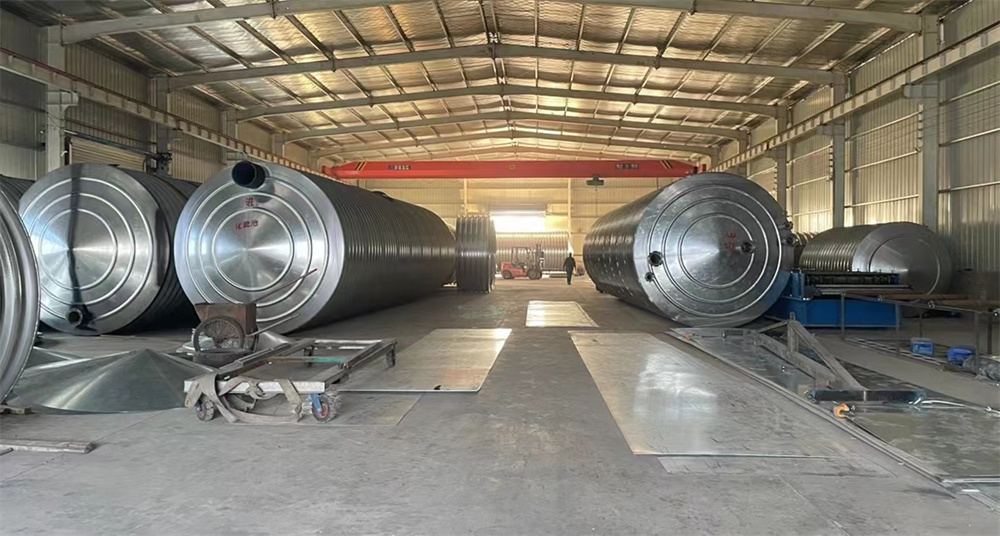
The features of horizontal water tanks are mainly as follows:
1. Sturdy Structure: The horizontal water tank is placed horizontally, with a large supporting base area, ensuring good stability and preventing accidental tipping.
2. Smaller Footprint: The horizontal water tank requires less space compared to the vertical tank, making it suitable for installation in areas with limited space, such as basements, garages, etc.
3. Easy to Use: The water level indicator is within the water tank's height range, allowing users to easily observe the water level and promptly replenish the water supply.
4. Large Storage Capacity: Horizontal water tanks typically have a larger storage capacity, capable of meeting the water needs of a certain number, and are suitable for large buildings or locations requiring substantial water storage.
5. Easy Construction: Compared to vertical water tanks, horizontal water tanks are easier to construct, lay out, and install.
6. Online Connectivity: Horizontal water tanks typically feature multiple inlets and outlets, allowing for easy connection to a building's water supply system, ensuring a stable water source.
In summary, horizontal water tanks offer a stable structure, small footprint, and ease of use, making them suitable for locations with high water storage capacity requirements.
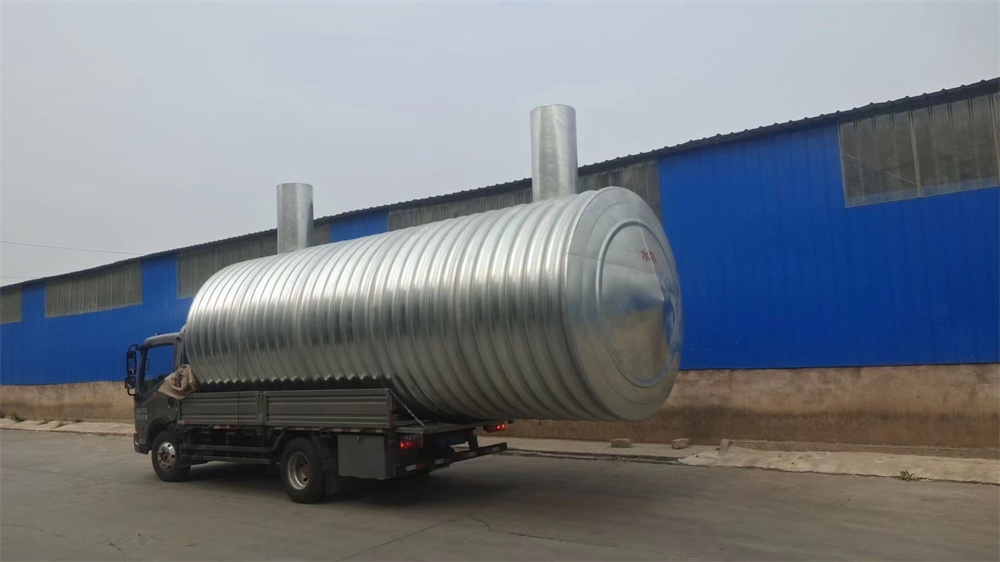
An underground fire reservoir is a facility used for storing fire-fighting water, featuring the following characteristics:
1. Secure and Reliable: Underground fire reservoirs are typically constructed with concrete or steel, offering robust seismic and compressive resistance, ensuring a stable water supply during accidents or natural disasters.
2. Large Water Storage Capacity: The underground fire reservoir has a substantial capacity, allowing for ample storage of firefighting water, ensuring a sufficient water supply during the fire-fighting process.
3. Strong Concealment: Underground fire reservoirs are usually buried underground, flush with the ground or even hidden beneath buildings or public spaces, offering high concealment. They do not occupy ground space and do not affect the aesthetics of buildings.
4. Maintenance Convenience: The maintenance of an underground fire reservoir is relatively convenient as most of the equipment and pipelines are buried underground. When maintenance or inspection is needed due to external environmental factors, operations can be conducted through manholes or inspection openings.
5. Resource Conservation: The underground fire water reservoir utilizes underground space for water storage, effectively conserving precious land resources on the surface, particularly suitable for densely populated urban areas.
In summary, the buried fire reservoir offers features such as safety and reliability, large storage capacity, strong concealment, easy maintenance, and resource conservation, making it a common fire protection facility.
corrugated hot-dip galvanized water tanks are primarily used for storing and processing liquid substances such as water, chemicals, oil, and food. They are commonly employed in industrial, agricultural, construction, and environmental engineering sectors. These tanks offer strong corrosion resistance, high durability, and easy installation and maintenance, making them widely used in various industries.
