


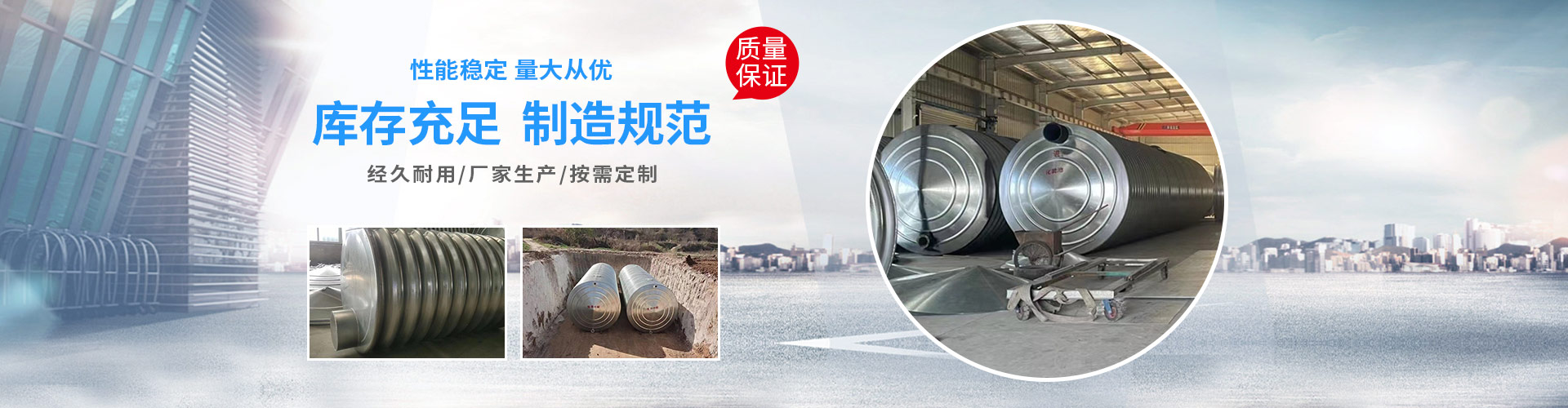




Glass-fiber Reinforced Plastic (FRP) Septic Tanks, primarily made of glass fiber reinforced plastic, offer corrosion resistance, high-temperature resistance, and excellent weather resistance, making them suitable for use under various environmental conditions. These tanks efficiently treat feces and convert them into organic fertilizer, reducing environmental impact. They also feature easy installation, stable structure, and long service life, and are widely used in wastewater treatment projects in rural and community areas.
The features of the galvanized steel tank mixer are as follows:
1. Corrosion-Resistant: Galvanized steel sheets are coated with a layer of zinc on the surface of the steel plate, effectively preventing corrosion from chemicals during the stirring process, thereby extending the service life of the tank.
2. High Strength: The internal structure of the mixing tank often needs to withstand significant mixing force and pressure. Galvanized steel plate offers excellent strength and rigidity, capable of bearing these forces, ensuring the stability and safety of the mixing tank.
3. Diverse Styles: Galvanized sheets can be customized and processed as needed, allowing for the creation of mixers in various shapes and sizes to meet different process and production requirements.
4. Easy Maintenance: The zinc-coated steel drum surface is smooth, resistant to dirt accumulation, and easy to maintain with simple cleaning and care procedures.
5. Lower Cost: Compared to other materials, galvanized steel sheets are more cost-effective, making the mixing tank more affordably priced and suitable for small and medium-sized enterprises.

A galvanized septic tank is a commonly used septic equipment featuring the following characteristics:
Galvanized Corrosion Protection: The septic tank is treated with galvanized coating, which effectively resists chemical erosion and oxidation, enhancing its corrosion resistance and extending its service life.
2. High Strength: The zinc-coated septic tank is made of steel, processed and reinforced to provide high strength and stability, capable of withstanding certain loads and external forces.
3. Easy Installation: The galvanized septic tank has a simple structure that can be assembled as needed, accommodating various site and capacity requirements. The installation process is straightforward, reducing construction timeline and labor costs.
4. Easy to Clean and Maintain: The galvanized septic tank has a smooth interior that resists dirt, making cleaning convenient. Additionally, the galvanized material is corrosion-resistant, reducing odor and bacterial growth, and is relatively simple to maintain.
5. Eco-friendly and Energy-saving: Galvanized septic tanks, as a type of sewage treatment equipment, effectively handle wastewater and waste, reducing environmental pollution. Additionally, the operation and maintenance costs of galvanized septic tanks are low, saving resources and energy.
In general, galvanized septic tanks feature corrosion resistance, high strength, easy installation, easy cleaning and maintenance, as well as environmental protection and energy-saving properties, making them a relatively ideal choice for septic equipment.

Firewater storage tanks are water storage devices for fire suppression systems, typically installed inside or around buildings. Their main features include:
1. Water Storage Capacity: The fire water tank is capable of storing a large volume of water to meet the needs of the fire suppression system. Typically, it has a substantial capacity to provide a continuous water source for firefighting.
2. Pressure Resistance: Firewater tanks must have good pressure resistance to ensure that the stored water does not leak or get damaged during use.
3. Corrosion Resistance: To enhance the lifespan of the water tank, fire-resistant water tanks are typically made from anti-corrosive materials such as stainless steel or glass fiber reinforced plastic.
4. Drainage System: A drainage system must be equipped for the fire water tank to maintain water quality, prevent contamination, and ensure a clean water source for firefighting when needed.
5. Remote Monitoring: Some firewater tanks are equipped with remote monitoring capabilities, allowing real-time monitoring of water levels and temperatures to ensure the proper operation of the fire protection system.
In summary, fire water tanks feature strong water storage capacity, good pressure resistance, corrosion resistance, a complete drainage system, and remote monitoring capabilities to ensure a reliable water source for firefighting during emergencies.

An underground fire reservoir is a facility designed for storing fire-fighting water, featuring the following characteristics:
1. Safe and Reliable: Underground fire reservoirs are commonly constructed with concrete or steel structures, offering robust seismic and pressure resistance. They ensure a stable water storage capacity during accidents or natural disasters.
2. Large Water Storage Capacity: The underground fire reservoir has a significant capacity, allowing for ample storage of fire-fighting water, ensuring a sufficient water supply during the extinguishing process.
3. Strong Concealment: The buried fire reservoir is usually installed underground, level with the ground or even hidden beneath buildings or public places, offering high concealment. It does not occupy ground space and does not affect the aesthetics of the buildings.
4. Maintenance Convenience: The maintenance of an underground fire reservoir is relatively convenient, as most of its equipment and pipelines are buried underground. When maintenance or inspection is required due to external environmental factors, operations can be conducted via manholes or inspection openings.
5. Resource Conservation: The underground fire water reservoir utilizes subterranean space for water storage, effectively conserving valuable land resources on the surface, particularly suitable for densely populated urban areas.
In summary, the buried fire reservoir offers features such as safety and reliability, large water storage capacity, strong concealment, ease of maintenance, and resource conservation, making it a common fire protection facility.
Corrugated hot-dipped galvanized water tanks are primarily used for storing and processing liquid substances, such as water, chemicals, oil, and food, among others. They are commonly employed in industrial, agricultural, construction, and environmental engineering sectors. These tanks offer advantages like strong corrosion resistance, high durability, and easy installation and maintenance, making them widely used in various industries.
