


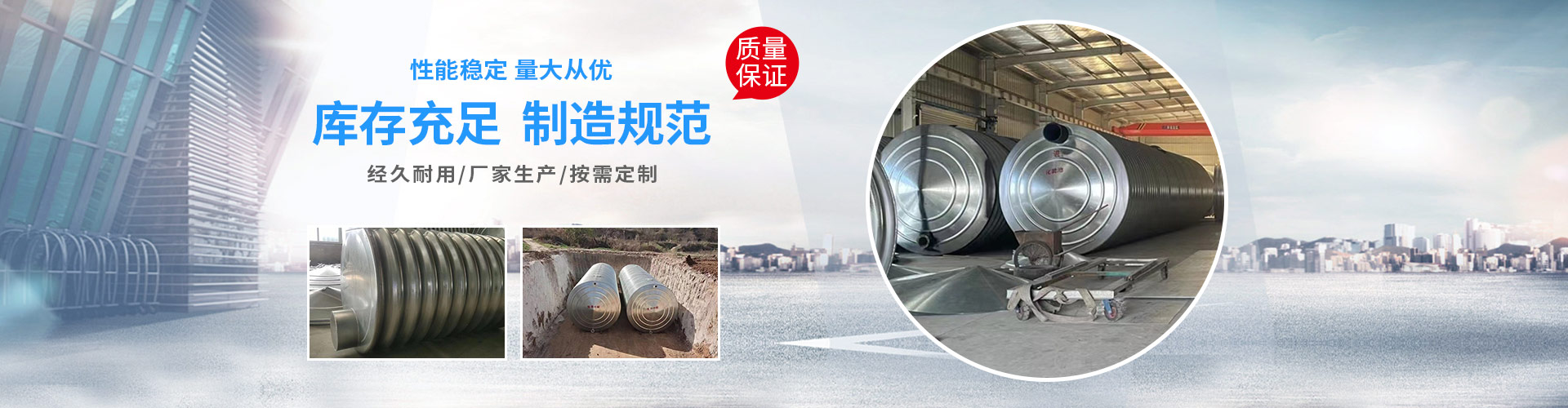



Hot-dip galvanized water tanks are a common type, which are coated with a layer of zinc using the hot-dip galvanizing process to enhance their corrosion resistance. Typically made of steel, these tanks are treated with acid pickling and hot-dip galvanizing to effectively prevent corrosion caused by contact with water. Hot-dip galvanized water tanks are widely used in residential, industrial, and agricultural fields, featuring durability, corrosion resistance, and long lifespan.
A watering can is a tool used for watering plants and cleaning indoor and outdoor environments. Its main features include the following:
1. Moderate Capacity: Water tanks typically range from 1 to 10 liters, suitable for easy carrying and use.
2. User-friendly: Watering cans typically come with handles and nozzles for easy control of water flow and spray range.
3. Portable and easy to carry: Watering cans are typically made of plastic or metal, lightweight, and convenient for transport and use.
4. Adjustable Spray Patterns: The nozzle of the watering can typically offers adjustable spray modes, such as direct stream, mist spray, and medium strength spray, to accommodate various watering and cleaning needs.
5. Easy to Clean: The watering can has a large opening for easy cleaning and refilling.
Overall, the watering can features a moderate capacity, ease of use and portability, adjustable spray patterns, making it a convenient and practical tool for watering.
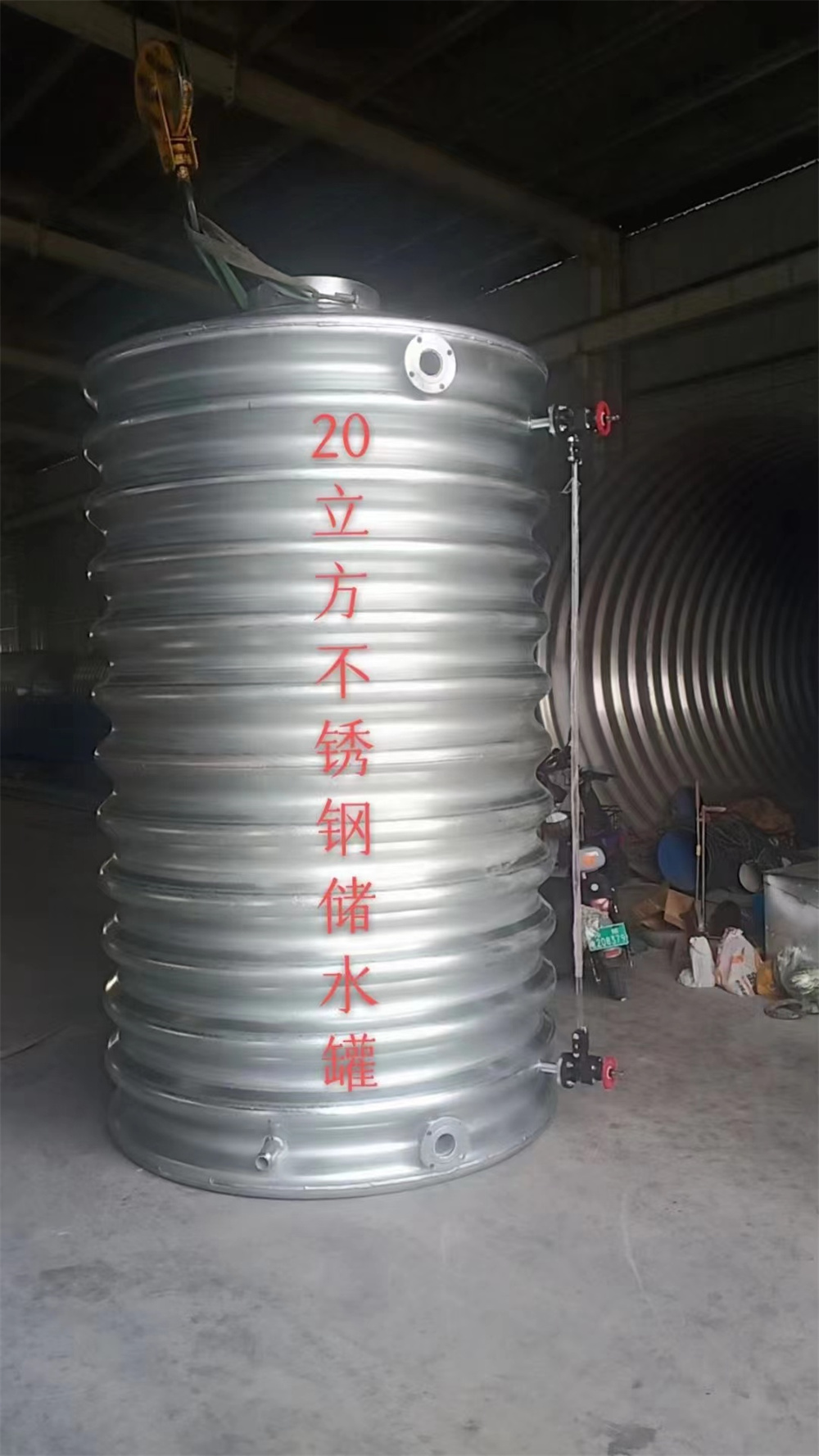
A galvanized septic tank is a commonly used septic equipment, featuring the following characteristics:
Galvanized Corrosion Protection: The septic tank is treated with galvanized coating, which effectively resists chemical erosion and oxidation, enhancing its corrosion resistance and extending its service life.
2. High Strength: The zinc-coated septic tank is made of steel, which, after processing and reinforcement, ensures the tank has high strength and stability, capable of withstanding certain loads and external forces.
3. Easy Installation: The galvanized septic tank has a simple structure and can be assembled as needed, accommodating various site and capacity requirements. The installation process is straightforward, reducing construction time and labor costs.
4. Easy to Clean and Maintain: The galvanized septic tank has a smooth interior that resists dirt buildup, making cleaning simple. Additionally, the galvanized material is corrosion-resistant, preventing odors and bacterial growth, and is relatively easy to maintain.
5. Eco-friendly & Energy-saving: Zinc-coated septic tanks, as a waste treatment unit, effectively process wastewater and waste, reducing environmental pollution. Moreover, their operation and maintenance are cost-effective, saving resources and energy.
Overall, galvanized septic tanks feature corrosion resistance, high strength, easy installation, easy cleaning and maintenance, and environmental protection with energy conservation, making them a relatively ideal choice for septic equipment.
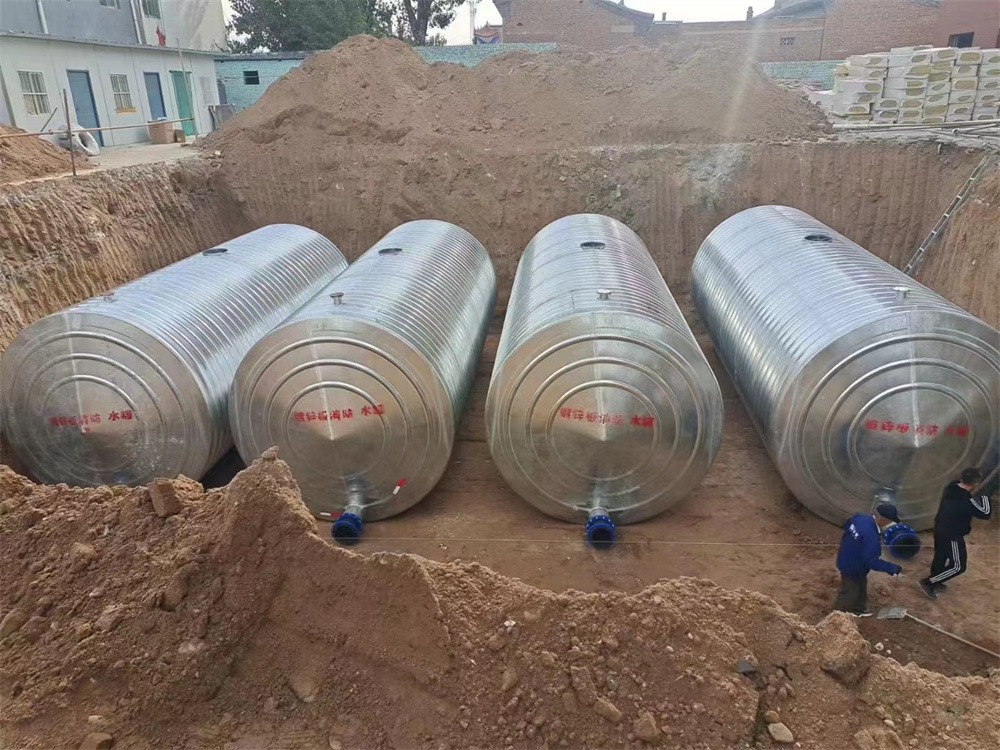
Glass-fiber Reinforced Plastic (GRP) septic tanks have the following characteristics:
1. Strong Corrosion Resistance: The glass fiber material offers excellent corrosion resistance, capable of withstanding the侵蚀 of chemicals and acids/bases, thereby extending the service life.
2. High Mechanical Strength: The fiberglass septic tank is manufactured with reinforced materials, offering excellent mechanical strength and rigidity to withstand certain loads and pressures.
3. Easy and Quick Installation: The fiberglass septic tanks are pre-fabricated and can be customized in shape and size to meet requirements, ensuring an easy and quick installation process.
4. Good Sealing: The fiberglass septic tank is designed for monolithic construction, with minimal or no joints, offering excellent sealing properties to effectively prevent sewage leakage.
5. Excellent isolation effect: The glass fiber reinforced plastic material boasts a superior isolation performance, effectively preventing pollutants in the sewage from spreading to the surrounding environment, thus protecting the environment and groundwater resources.
6. Low maintenance cost: Glass fiber septic tanks have a long service life with low maintenance costs. Additionally, the glass fiber material does not rust, requires no painting or anti-corrosion treatment, which reduces maintenance work and expenses.
In summary, fiberglass septic tanks boast features such as corrosion resistance, high mechanical strength, ease of installation, good sealing, effective isolation, and low maintenance costs, making them an ideal wastewater treatment equipment.
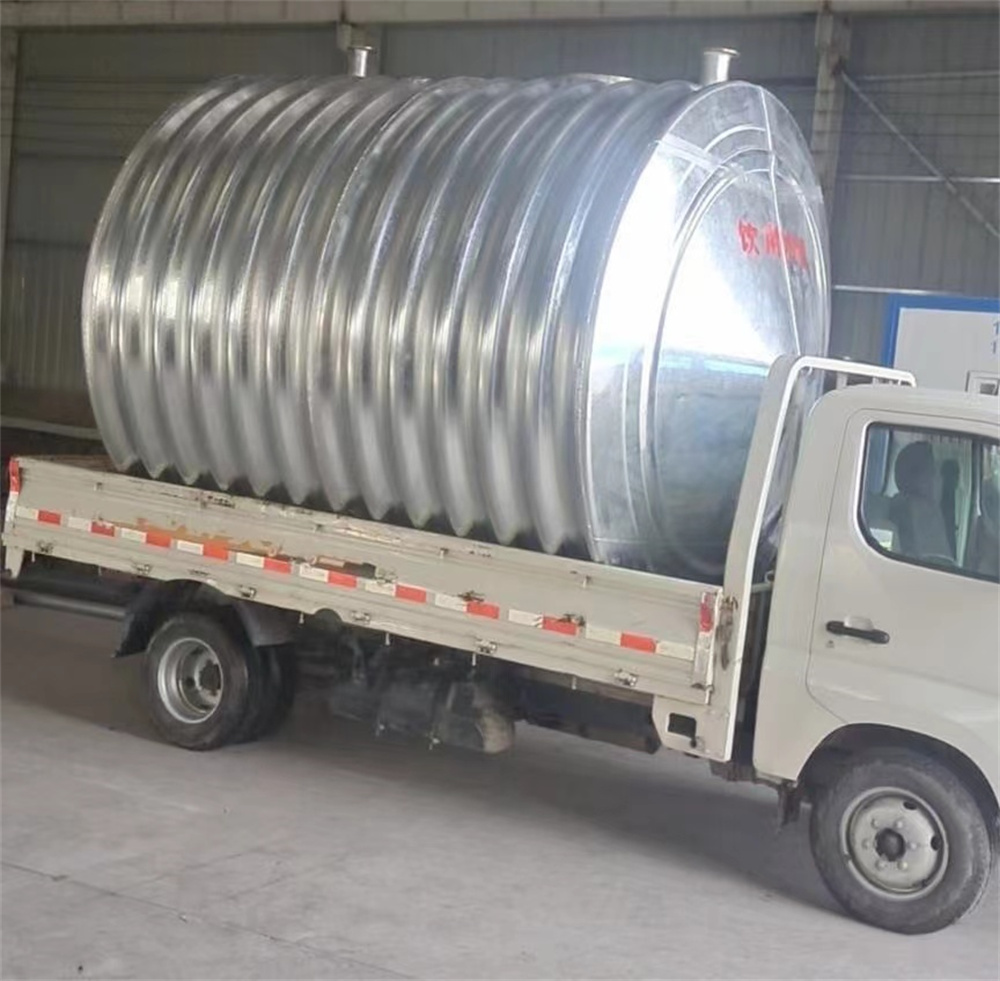
The hot-dip galvanized water tank features the following:
Corrosion-resistant: Both the inner and outer surfaces of the hot-dipped galvanized water tank are coated with zinc, effectively preventing corrosion and rust of the tank.
2. Longevity: Hot-dip galvanizing treatment extends the lifespan of the water tank, reducing the frequency of maintenance and replacement.
3. High Strength: The hot-dipped galvanized water tank is made of steel, featuring high strength and stability, capable of withstanding significant pressure and weight.
4. Sanitation and Safety: The internal surface of the hot-dipped galvanized water tank is smooth, making it resistant to dirt and bacteria buildup, meeting sanitation requirements and suitable for food, drinking water, and similar applications.
5. Easy Maintenance: Hot-dipped galvanized water tanks require minimal maintenance, are easy to clean, and reduce operational costs.
6. Eco-friendly and Energy-saving: Hot-dip galvanized water tanks are recyclable and environmentally friendly materials, causing minimal pollution during production and use, and are energy-efficient.
Fiberglass septic tanks are primarily used for collecting and treating domestic wastewater and solid waste, particularly human feces. They are extensively applied in rural areas or places without urban sewage treatment facilities. These tanks process wastewater through physical, chemical, and biological processes, degrade and decompose solid waste into more stable substances that are less likely to pollute the environment, while also reducing soil and water resource pollution. They effectively remove harmful bacteria and pathogens, improve hygiene conditions, and protect public health.
