






An introduction to several common CNC milling machines and cutting tools is provided below.Lath KnifeCutters with cutting teeth on both ends and sides. The term "end mill" typically refers to flat-bottomed cutters, but also includes round cutters (referred to as ball-end) and rounded cutters (referred to as bull-nose or ring). They are usually made of high-speed steel or hard alloy and feature one or more grooves. They are very commonly used tools in vertical milling machines.
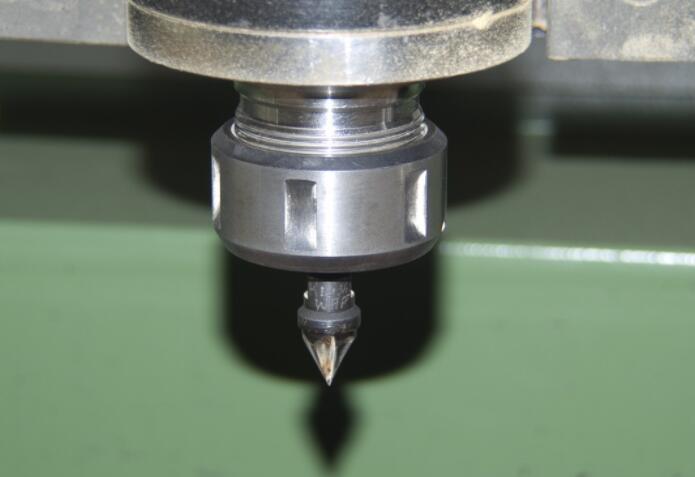
Raw Machining End MillRapidly removes large amounts of material. This face mill features a wavy-toothed cutting design around the periphery. These wavy teeth act as numerous continuous cutting edges, generating many small chips. This results in a relatively rough surface finish, but the chips are short and thin, and easier to handle than thicker strip sections, leading to smaller chips and easier removal. During the cutting process, multiple teeth contact the workpiece simultaneously, reducing chatter and vibration. Rapid stock removal by face milling is sometimes also referred to as "hogging." Roughing face mills are sometimes also called "rippa" or "ripper" tools.
Ball-end Mill or Ball-nose End MillSimilar to a slot drill, but the tip of the tool is hemispherical. They are ideal for machining three-dimensional contours in mechanical processing, such as in molds and dies. They are sometimes referred to as ball grinders in shop slang, although the term has other meanings. They are also used to add radii between vertical surfaces to reduce stress concentration.
Oval Corner Cutting Milling CutterThe slot at the corner radius, between the end mill and ball end mill; for instance, it might be a tool with a diameter of 20 millimeters and a corner radius of 2 millimeters. The profile is essentially rectangular, with its corners truncated (either through chamfering or radiusing).
