



Automatic lathe and CNC lathe are two different types of machine tools, which have significant differences in terms of automation level, control methods, and application scope.
Automation Level:
CNC Lathe: Typically refers to cam-type automatic lathes, which achieve automatic processing of workpieces through a cam mechanism, featuring a certain level of automation, suitable for mass production of standardized products.
Numerical Control Lathe: Equipped with computer numerical control technology, it can automatically complete the machining process of workpieces, boasting a higher degree of automation. Complex parts can be machined through programming, offering greater flexibility.
Control Method:
Automatic lathe: Its processing process is mainly controlled by mechanical cam mechanisms, which falls under the category of analog control.
Computerized CNC Lathe: Achieves precise control of various machine movements through computer programs, categorizing as digital control.
Application Scope:
Automatic lathe: Ideal for processing single-type workpieces with high production volumes, such as standard parts, screws, etc.
CNC Lathe: Ideal for processing a variety of parts in small batches, particularly for complex-shaped, high-precision components, offering superior adaptability.
Process Precision:
Automatic lathe: Due to the limitation of the cam mechanism in the processing process, the processing accuracy is relatively low.
CNC Lathe: Due to the accuracy of digital control, it can achieve high-precision machining, suitable for the manufacturing of parts with high precision requirements.
Structural Features:
Automated lathe: Sliders (slides) usually do not have drive screws, relying on springs and cams to operate. Workpiece clamping typically employs spring clamps.
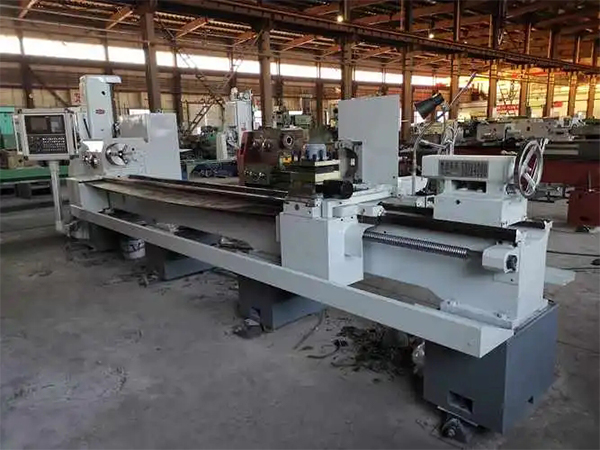
CNC Lathe: The slide structure is similar to that of a conventional lathe, driven forward or backward by a stepper motor, and the materials are commonly clamped using a three-jaw chuck.
Speed and Efficiency:
The automatic lathe offers high processing speed and efficiency in large batch production.
CNC Lathe: While the individual processing speed may not match that of an automatic lathe, its flexibility allows for savings in time spent on tooling changes and adjustments, making it suitable for diverse production.
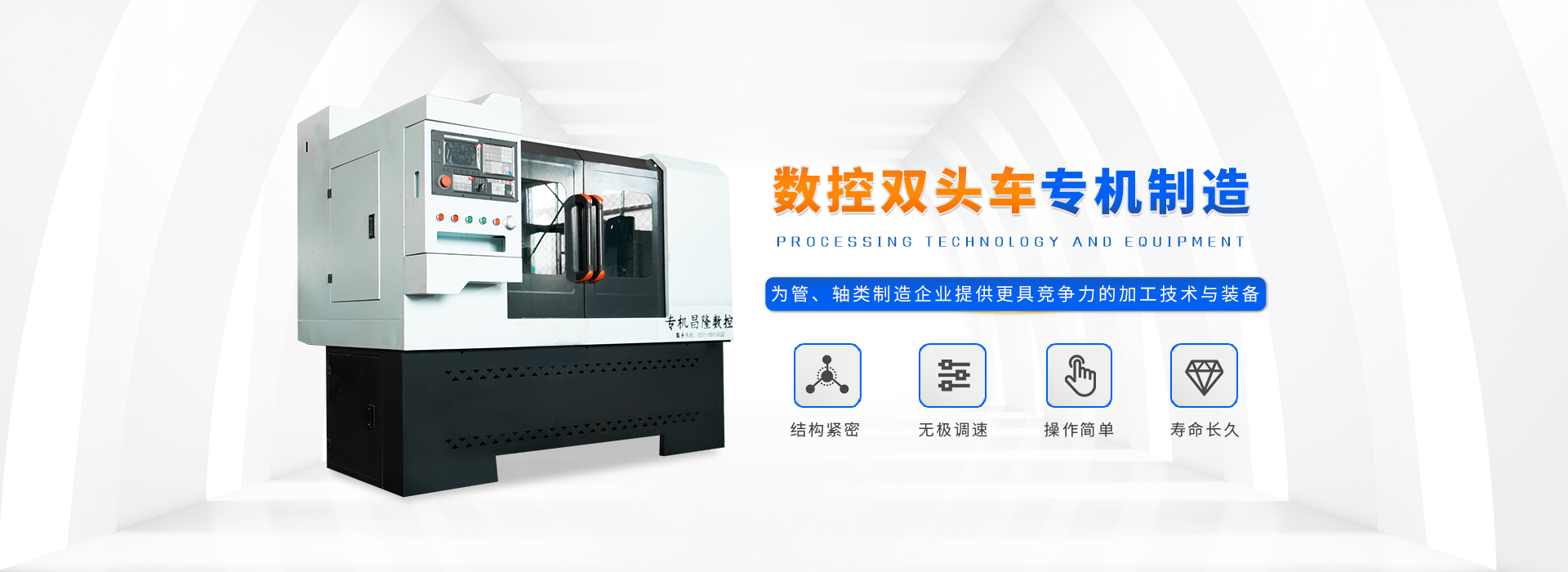
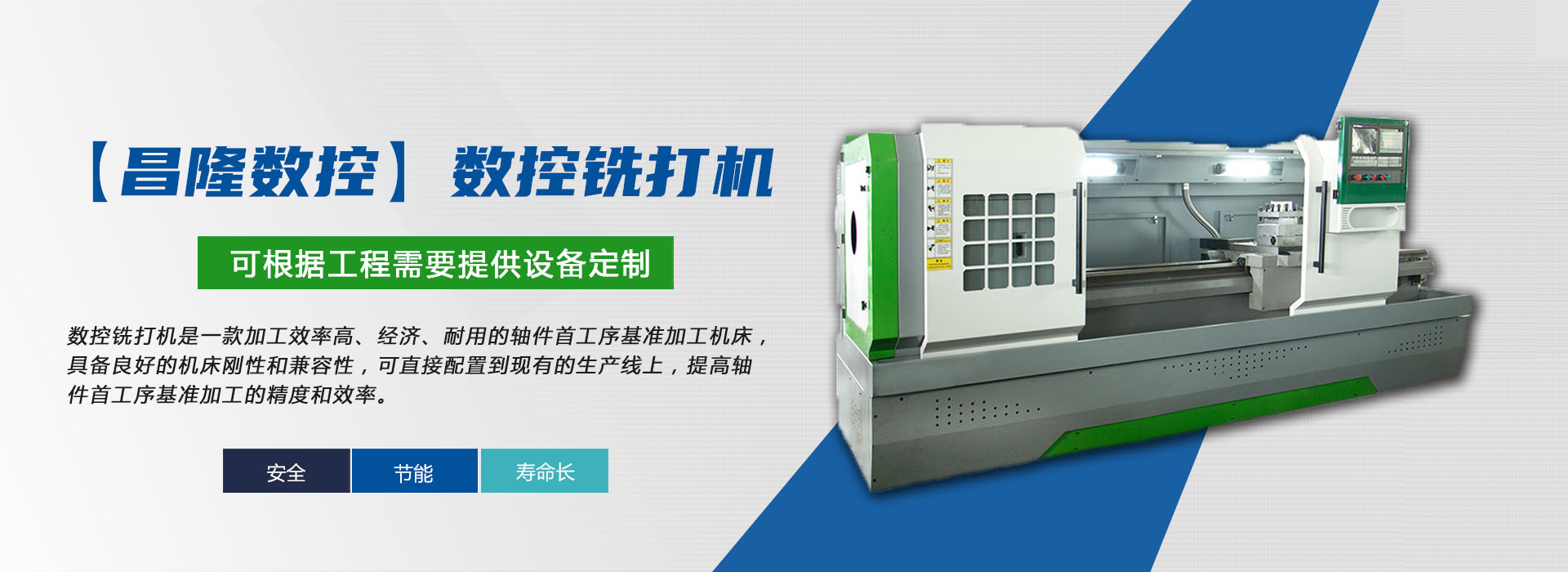
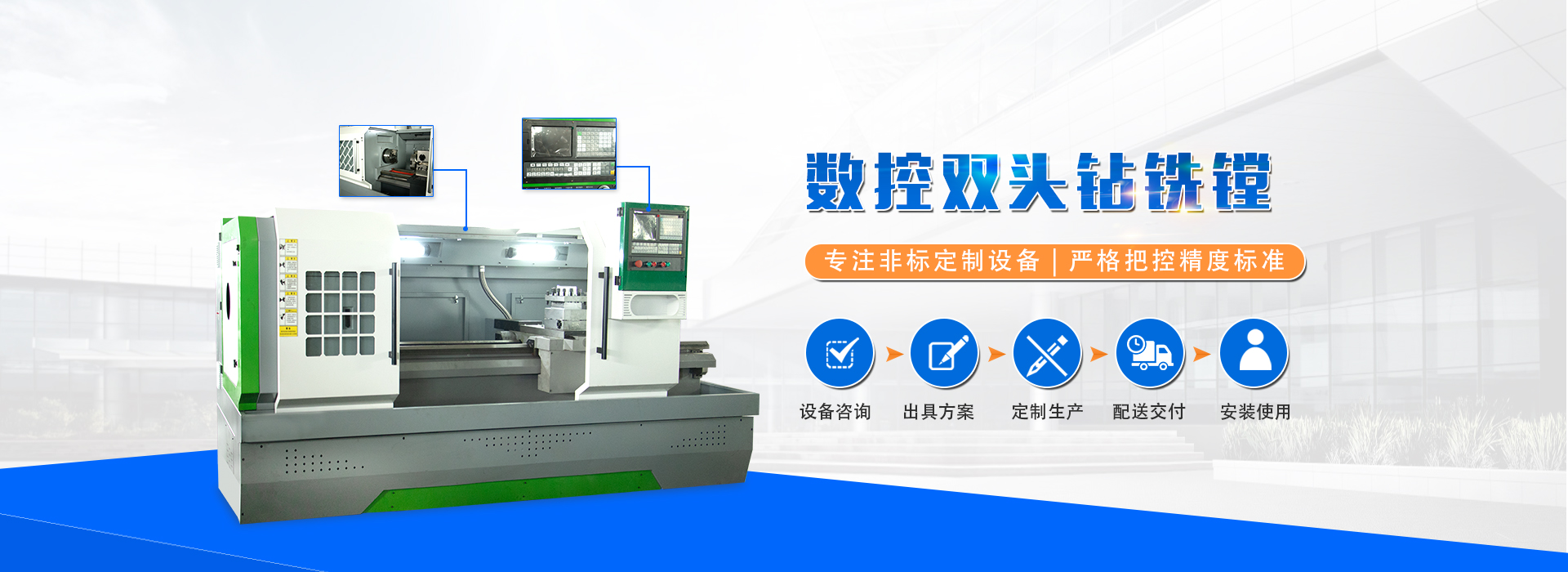
Automatic lathe andNumerical Control Twin Spindle LatheUnderstanding these differences in two distinct ways can help users choose the appropriate machine tool type based on their production needs.
