


What is a masterbatch? Why use a masterbatch?
Colorants, also known as color species, are aggregates produced by uniformly loading an excessive amount of pigments or dyes onto resins.
Benefits of Using Colorants:
1. Beneficial for maintaining the chemical stability of pigments and the stability of colors.
Enhance the dispersibility of pigments in plastic.
Protecting the health of operations personnel.
Process simple, color change easy.
5. Clean environment, non-stick utensils
6. Save time and raw materials.
II. Basic Components of Color Masterbatch
1. Pigment or dye
Paints are further categorized into organic pigments and inorganic pigments.
2. Carrier
The matrix is based on the color masterbatch, and the color masterbatch is generally chosen with the same resin as the product resin for the carrier due to good compatibility between them. However, the fluidity of the carrier also needs to be considered.
3. Dispersant
Diluents facilitate even dispersion of pigments and prevent agglomeration. The melting point of the diluent should be lower than that of the resin, ensuring good compatibility with the resin and good affinity with the pigments. Common diluents include polyethylene low molecular weight wax and stearates.
4. Additives
Flame retardant, brightening, antibacterial, antistatic, and antioxidant varieties are generally not included in the colorant unless the customer specifies otherwise.
Section 3: Types and Grades of Color Masterbatch
Classification Methods of Masterbatches: Common ones include:
By carrier classification: such as PE masterbatch, PP masterbatch, ABS masterbatch, PVC masterbatch, EVA masterbatch, etc.
Our current primary materials used at the online terminal are typically PE-based and PP-based.
By application: such as injection masterbatches, blow molding masterbatches, spinning masterbatches, etc.
Each variety can be further divided into different grades, such as:
High-grade Injection Masterbatch
Used for packaging boxes, toys, electrical enclosures, and other high-end products.
2. Standard Injection Masterbatch
Used for general household plastic products, industrial containers, etc.
3. Premium Blown Film Masterbatch
Blow Molding Coloring for Ultra-Thin Products.
4. Standard Blown Film Color Masterbatch
Blow-molding coloring for general packaging bags and woven bags.
5. Spinning Dye Masterbatch
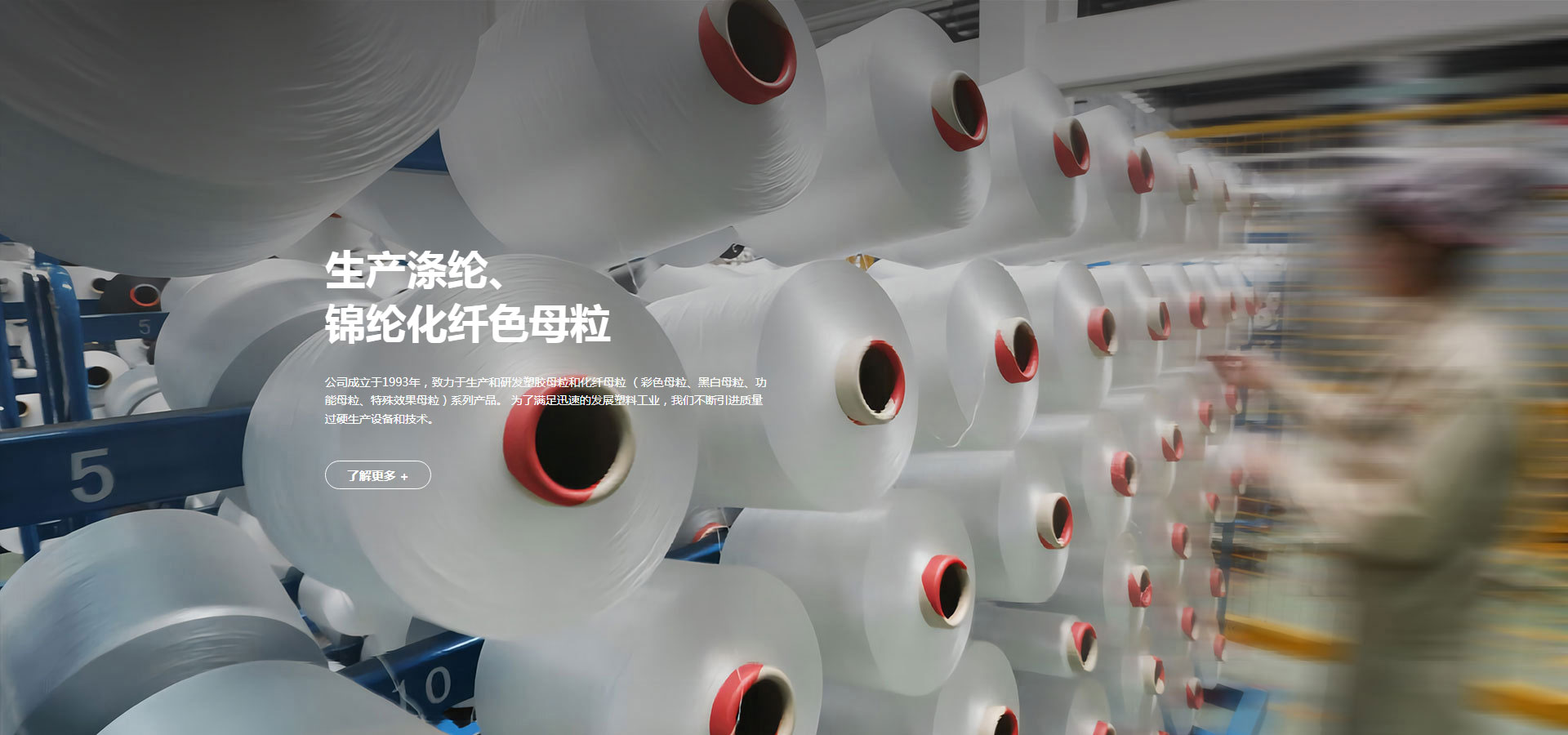
Textile fiber spinning and dyeing, with fine pigment granules, high concentration, strong coloring power, excellent heat and light resistance.
6. Low-grade colorant
For the production of low-grade products with less stringent color quality requirements, such as trash bins and inferior containers.
Color masterbatch technology requires strict process requirements. Generally, the wet process is adopted for color masterbatch technology, where the masterbatch material is ground in a water phase, undergoes phase transformation, water washing, drying, and granulation to ensure product quality. Additionally, while the pigments are being processed in the grinding, a series of color masterbatch technology testing items should also be conducted.
