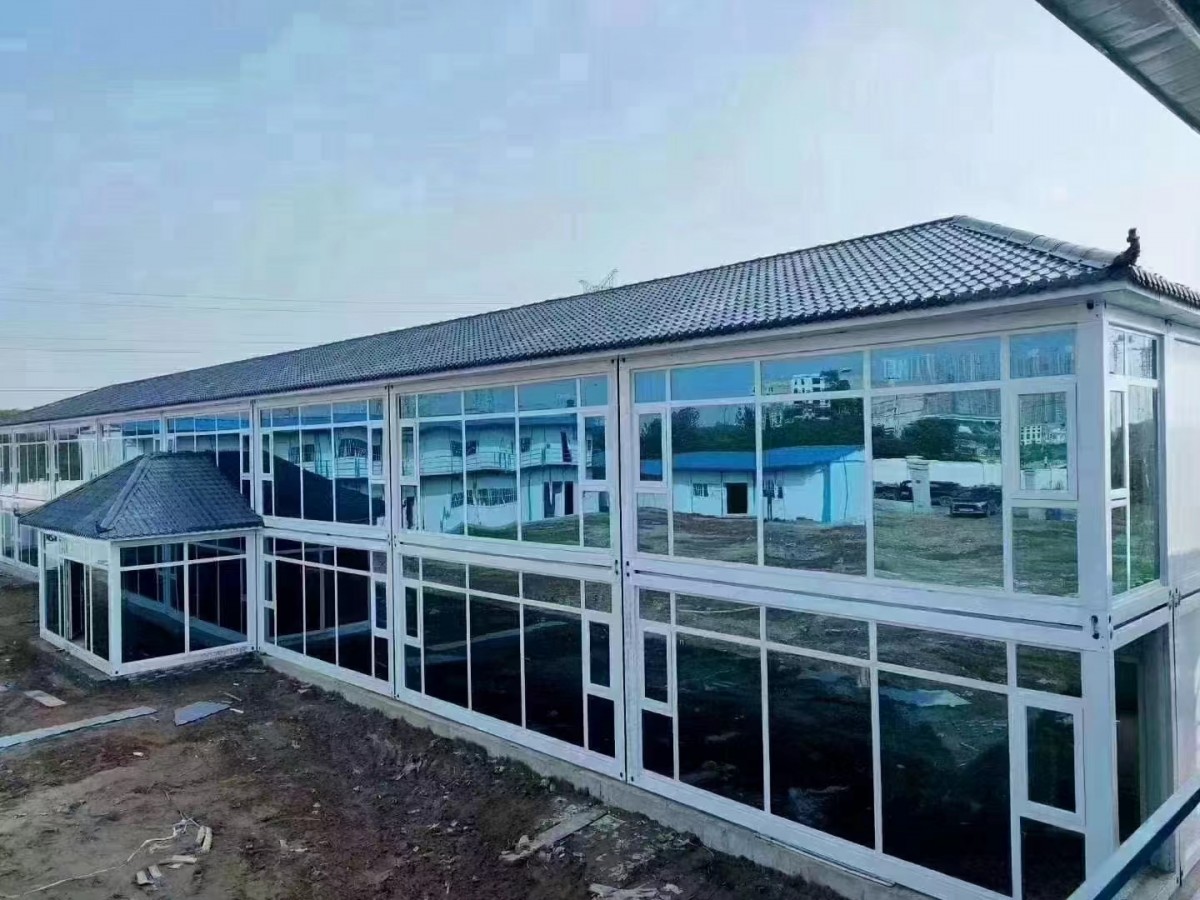


The suitability of living in container homes for an extended period depends on a combination of various factors.
Firstly, in terms of advantages, container houses offer rapid assembly, convenient mobility, and environmental protection and energy saving. They can serve as temporary housing, providing a short-term living space for disaster victims. Moreover, with technological advancements and the strengthening of environmental awareness, the comfort of container houses is also gradually improving.
However, on the flip side, container homes also have some notable drawbacks. For instance, their insulation performance may be subpar, making it challenging to ensure indoor comfort, especially under extreme weather conditions. Moreover, the limited space in container homes might not meet all the needs for long-term living. Additionally, there may also be issues with safety, soundproofing, and privacy protection.
In summary, container housing can serve as temporary accommodation under certain circumstances, but its suitability for long-term residency should be assessed based on specific needs and conditions. When selecting container housing as a long-term living option, one should thoroughly consider factors such as comfort, safety, and living requirements to ensure the quality of life and safety for residents.