


Mobile homes come in a variety of types, and can be categorized in different ways according to various standards. Below are some primary classification methods and the corresponding types of mobile homes:
Categorized by material and application:
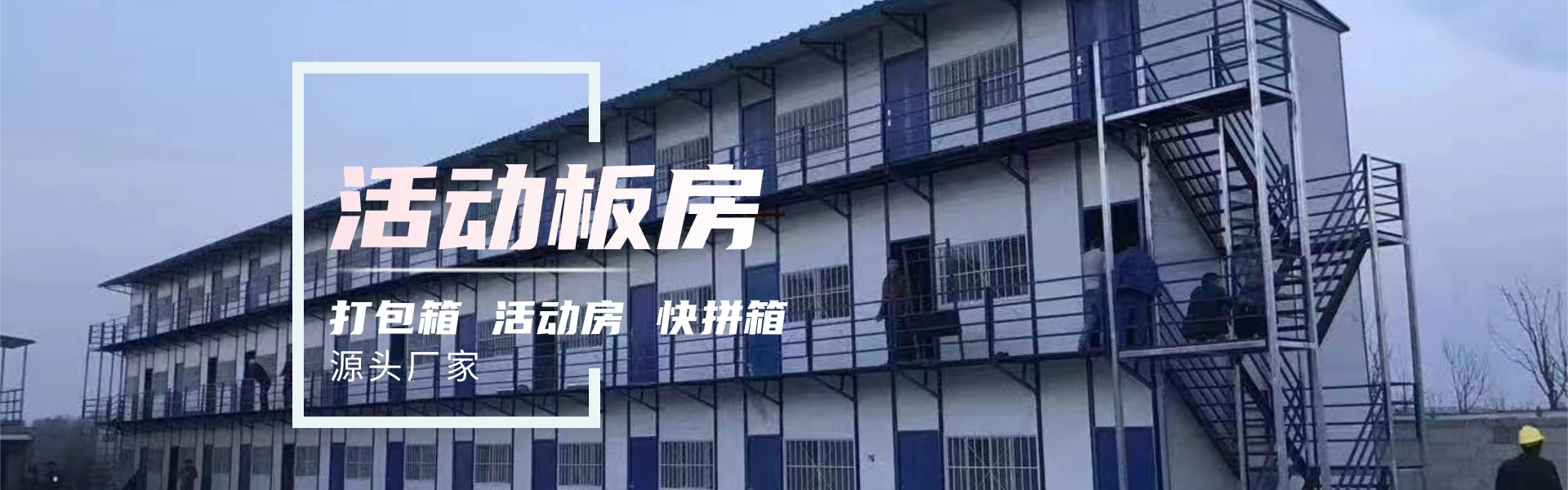
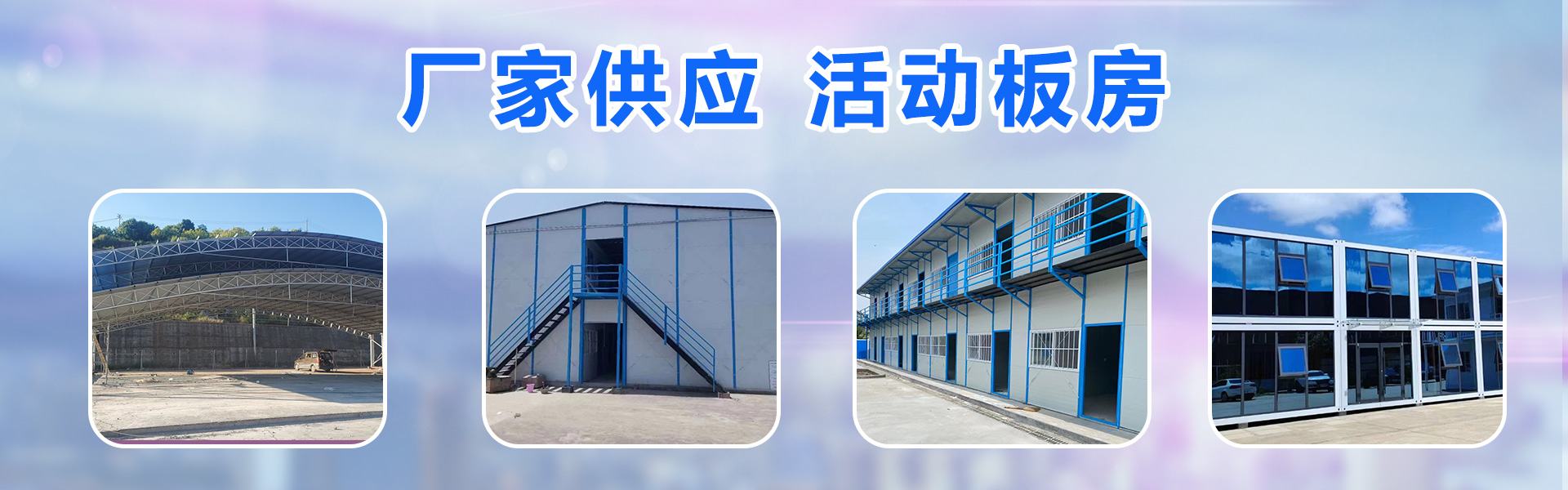
Cement Activity Houses: Primarily used on construction sites for office spaces and laborer dormitories, they can also be utilized for flat roof extensions and warehouses.
Phosphorus Magnesium Activity Houses: Made of polystyrene and core material, these houses offer insulation properties, are cost-effective, lightweight, and easy to install. They also feature earthquake resistance, anti-corrosion, waterproofing, and fireproofing advantages.
Color-steel Housing: Constructed with light steel structure, walls are composed of composite panels made of color steel plates and coated polyethylene foam, offering long service life and excellent thermal insulation.
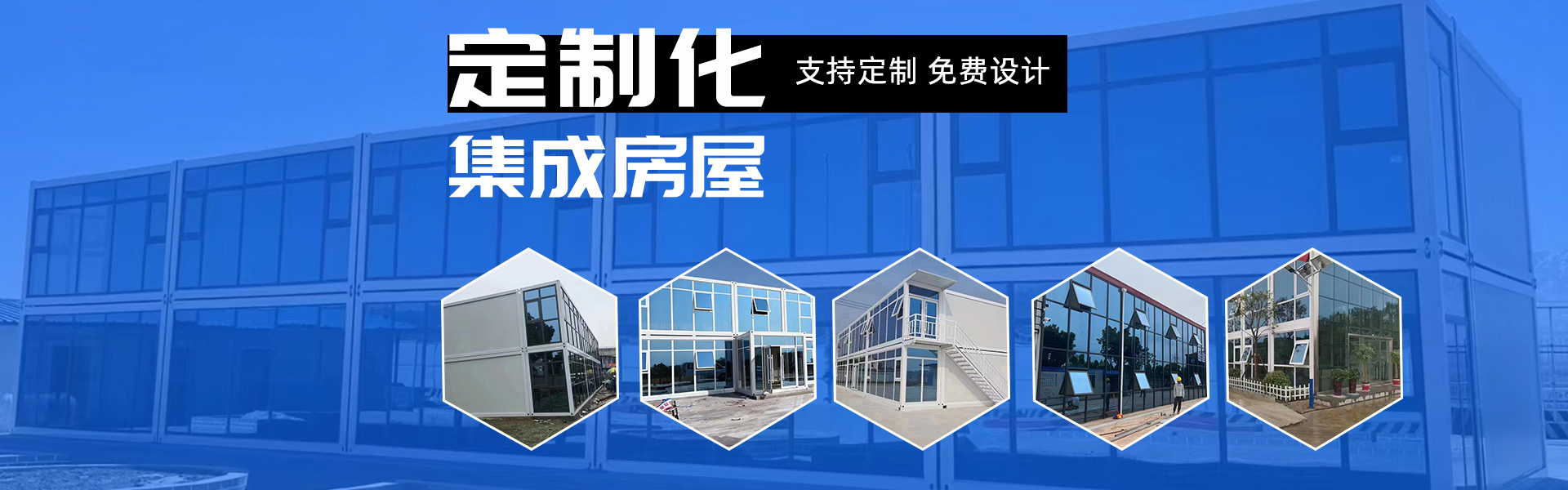
Container Mobile Houses: Transported as a single unit, they offer convenience, durability, and strong seismic and wind resistance, commonly used on construction sites that frequently change locations.
By production and installation process classification:
Mobile Prefabricated Houses: Assembled from standard modules and complex prefabricated components, featuring the characteristics of multiple disassemblies and reassemblies.
Wave-shaped container houses, assembled container houses, packaged container houses, foldable container houses, etc.: These types emphasize different installation and transportation methods to meet the needs of various occasions.
By functionality classification:
Dual Slope Mobile Offices: Widely applicable, demountable and portable, reusable, high safety, energy-saving and environmentally friendly, with aesthetically pleasing design.
Portable Booths: Suitable for newsstands, toll booths, security booths, vending booths, and other small structures, they are mobile and reusable.
By transportation method:
Disassembled Transportable Housing: Assembled from standard modules and complex prefabricated components, it is easy to disassemble and transport.
Complete Transportable Houses: The entire house is pre-fabricated or assembled in the factory and can be transported by vehicle, air, or sea.
Please note that there is a wide variety of portable buildings, types, and uses, and with advancements in technology and design, new types are continuously emerging. Therefore, it is recommended to consult with a professional construction company or supplier when choosing and using portable buildings to ensure they meet your specific needs and are of reliable quality. Additionally, when installing and using portable buildings, it is essential to adhere to relevant building codes and safety standards to ensure safe usage.

