
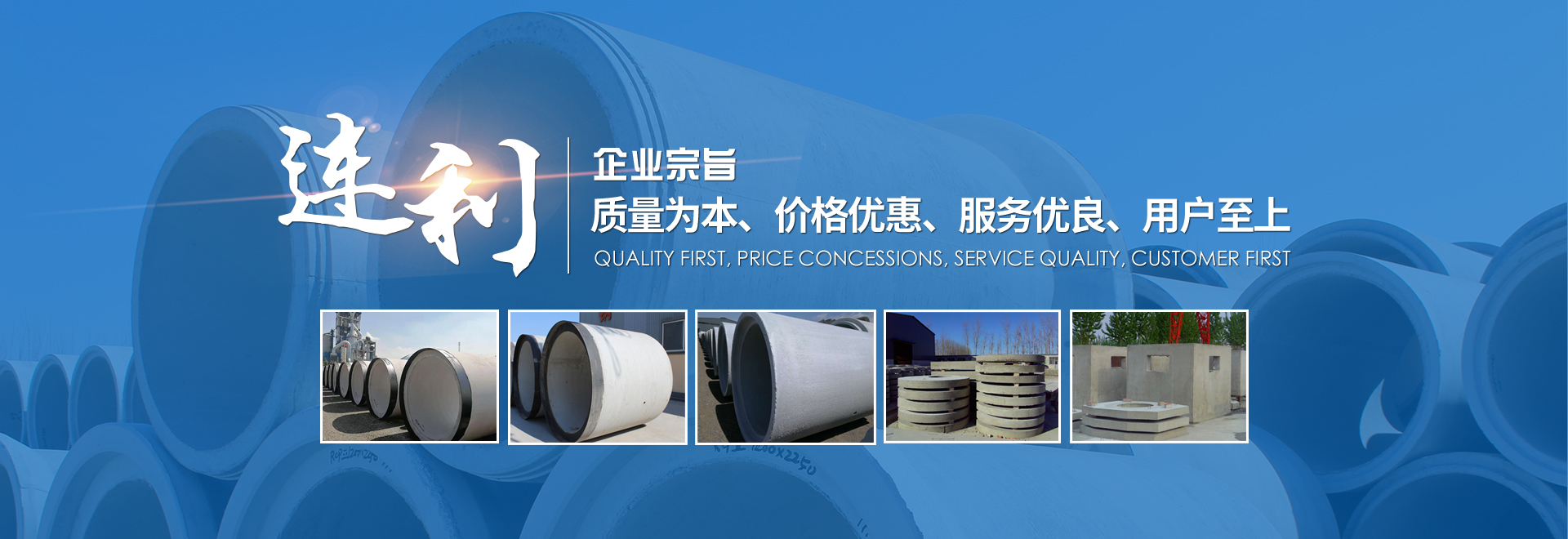


The内膜vibrationprocessforcementdrainpipesinvolvestheuseofsemidryhardcements,whicharecompressedintoformafterverticalapplicationand内膜vibration.Combiningvibrationandamplitudeadjustmentsbeforemolding,theproductresultsinhigh-qualityconcretematerials,substantiallyenhancingthepipes'load-bearingandpermeationresistance.
The protective layer of the cement drainage pipes is evenly and densely distributed, preventing hollowing or spalling issues, significantly extending the service life of the pipes. The cement drainage pipes, produced through the vibration process, exhibit greater rigidity, are less prone to deformation, and have strong impact resistance. Moreover, the production of pipes of the same specification requires only one mold, making the process simple and convenient with standardized production. This also ensures there are no gaps at the joints, guaranteeing both the quality and progress of construction.
Daily maintenance of cement drainage pipes is crucial, as it directly impacts their lifespan and failure rate. Today, we will introduce the daily maintenance methods for cement drainage pipes.
Two key methods for the maintenance and preservation of concrete drainage pipes are the Distillation Curing Method and the Natural Curing Method. The Distillation Curing Method involves constructing a curing pond, the size of which is determined by the production volume and dimensions of the manufacturer. The process entails using the distillation pond to cure the pipes after production, which takes approximately three hours for the pipes to solidify. The higher the temperature during distillation, the less time is required, and the better the curing effect on the pipes. The Natural Curing Method refers to watering the concrete drainage pipes and molds that are left outdoors, three times.
News Center Co., Ltd.
