
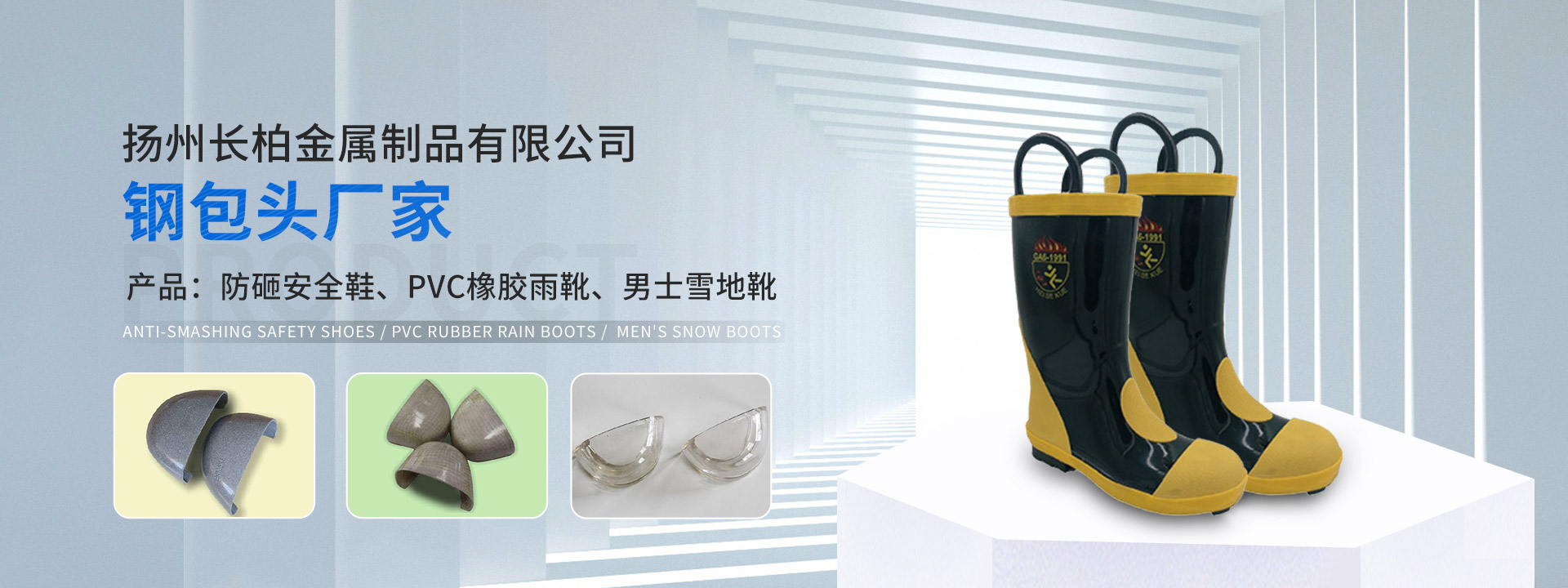


PVC rubber rain boots are a common sight in our daily lives, essential during rainy days, work, and fishing, and more. However, what's common is often overlooked, especially when it comes to the choice of material for rain boots. Different materials not only offer varying wearing experiences but also reflect the boots' lifespan. So, let's take a look with Terri Editor to see what characteristics rain boots made from different materials have.
5 Common Types of Rain Boots and Their Advantages
Rubber Rain Boots
Rubber wellies offer advantages over PVC ones, with superior breathability and elasticity, as well as excellent corrosion and insulation properties. However, they can be rough during casting, making them uncomfortable to wear.
2 pairs of EVA rain boots
EVA materials inherently possess excellent chemical stability, resistance to aging, and ozone resistance. Additionally, EVA features a closed-cell bubble structure, thereby offering good moisture and water resistance. However, its drawback is its susceptibility to wear and dirt, making cleaning quite a hassle.
3 PVC Rain Boots
Rubber PVC rain boots come in various additive concentrations, distinguishing between soft and hard PVC rain boots. The higher the additive content, the softer and more durable the texture becomes, offering better stability and strong corrosion resistance. Additionally, they are resistant to temperature fluctuations and are reasonably priced, making PVC rubber rain boots increasingly popular in the market.
4 Waterproof Canvas Rain Boots
Waterproof canvas wellies boast vibrant colors, soft texture, excellent tensile and abrasion resistance, sun protection, waterproofing, and corrosion resistance. Unlike PVC rubber wellies, canvas wellies require daily care during use to avoid sharp objects, as they are prone to cuts and impacts.
5 Plastic Rain Boots
Plastic rain boots offer excellent impact resistance, low processing costs, and good wear resistance, resulting in a long service life and high cost-performance ratio. Compared to PVC rubber rain boots, while plastic rain boots are easy to put on, they lack good insulation and corrosion resistance, leading to a lower safety factor.
How to Choose the Right Material for Rain Boots?
Rubber rain boots and PVC rubber rain boots are quite common in the market. Rubber rain boots are difficult to cast, resulting in a rough appearance and heavier weight, which reduces comfort. However, they excel in insulation and corrosion resistance.
The PVC rubber rain boots are injection-molded, featuring a refined production process with high efficiency. They stand out in terms of appearance compared to regular rubber rain boots, and more importantly, they are priced very competitively, making them highly sought after.
Introducing PVC rubber rain boots—here's the rundown! Each of these five materials has its own advantages, allowing us to choose based on our needs! If you're unsure how to pick, take a look at our rain boots selection—our wide variety can meet all your purchasing needs! Follow Chang Bai for more relevant information.
