

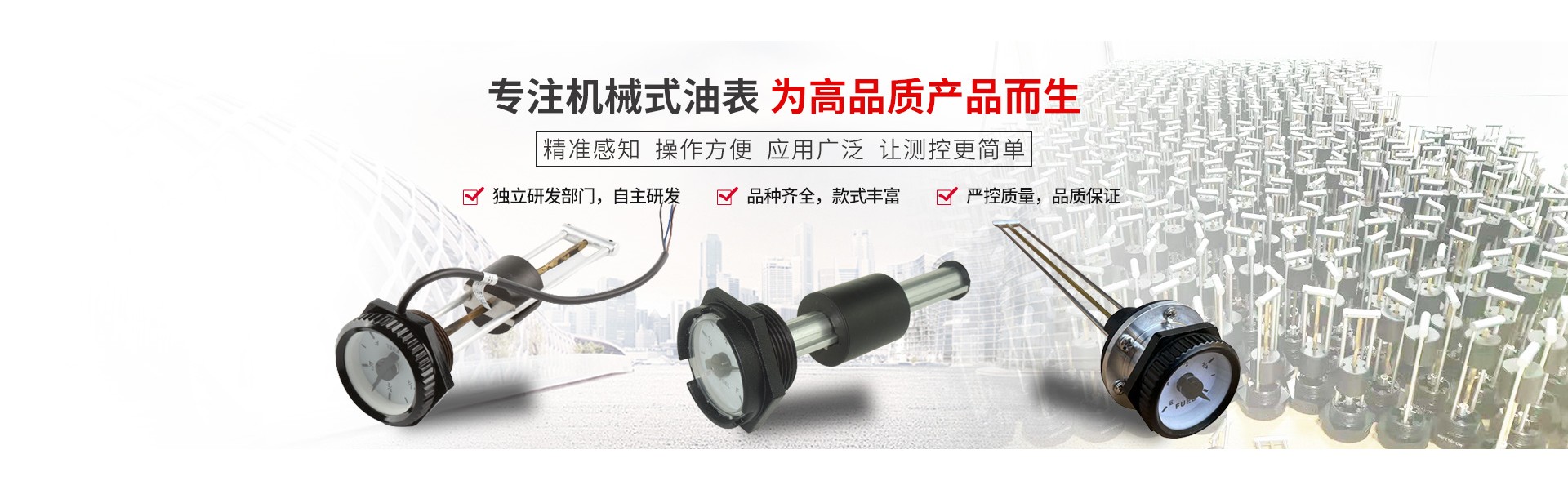
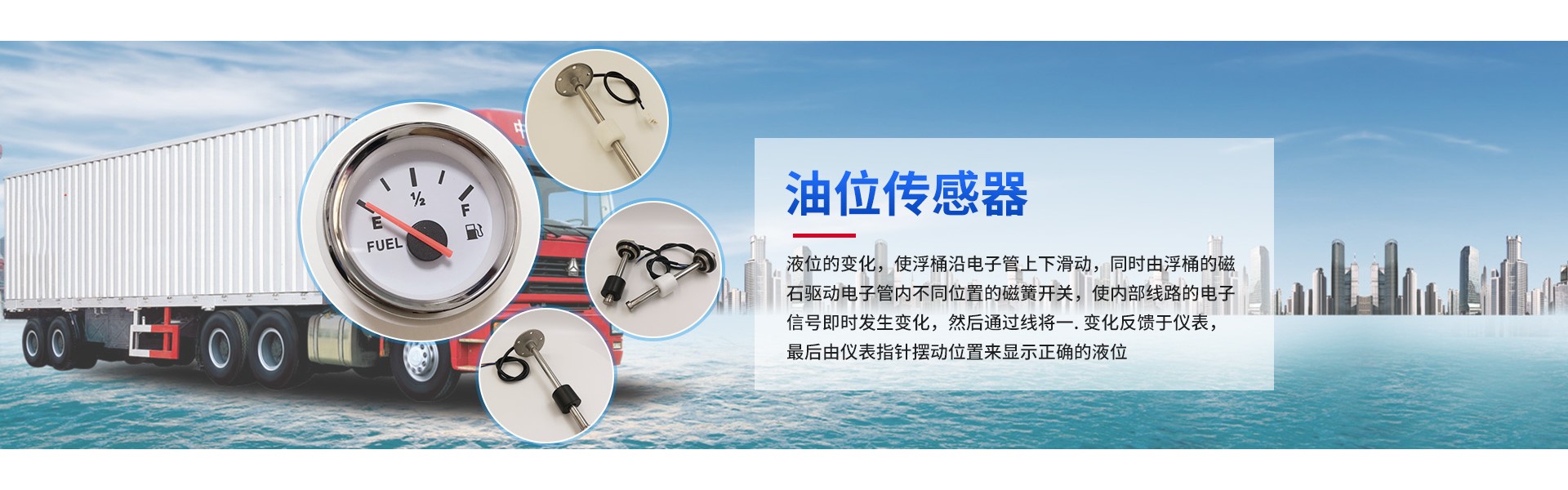

The oil level sensor's role is to provide two signals to the engine DME control unit: oil temperature and oil level, which is also used for oil level checks in some vehicles.
The oil condition sensor (e.g., BMW E60 model) expands the functionality of the temperature and oil level sensor. The oil condition sensor measures the following parameters: oil temperature, oil level, and oil quality. The engine control system analyzes these measured parameters.
And here are some additional benefits:
Flexible and Concise: Our innovative one-click calibration feature allows setting material position alarm values at any location. One product can adapt to various materials, ensuring precise calibration and high reliability.
Powerful Functionality: Innovative in-region or out-of-region alarm feature, allowing for alarms to be set both within and outside a designated area, enabling users to easily handle a variety of complex application scenarios.
Smart Setup: All parameters (alarm setpoints, delay time, alarm area size, internal/external alarm within the area) can be set with just one button, simple and convenient.
Output: MPN or PNP, normally open or normally closed, switchable on-site. The start-up delay and output delay functions effectively eliminate the impact of material fluctuations.
Compact Size: Utilizing fully surface-mounted integrated electronic components, the product boasts an extremely small size, making it particularly suitable for installation in spaces with limited room. It is widely applied in liquid level control for car and construction machinery water and oil tanks, as well as process control for beverage machinery and filling equipment.
Versatile: Suitable for measuring various conductive and non-conductive mediums, such as liquids, particles, powders, etc.
Low Maintenance: No fragile parts, high stability, no need for regular maintenance or calibration.
