

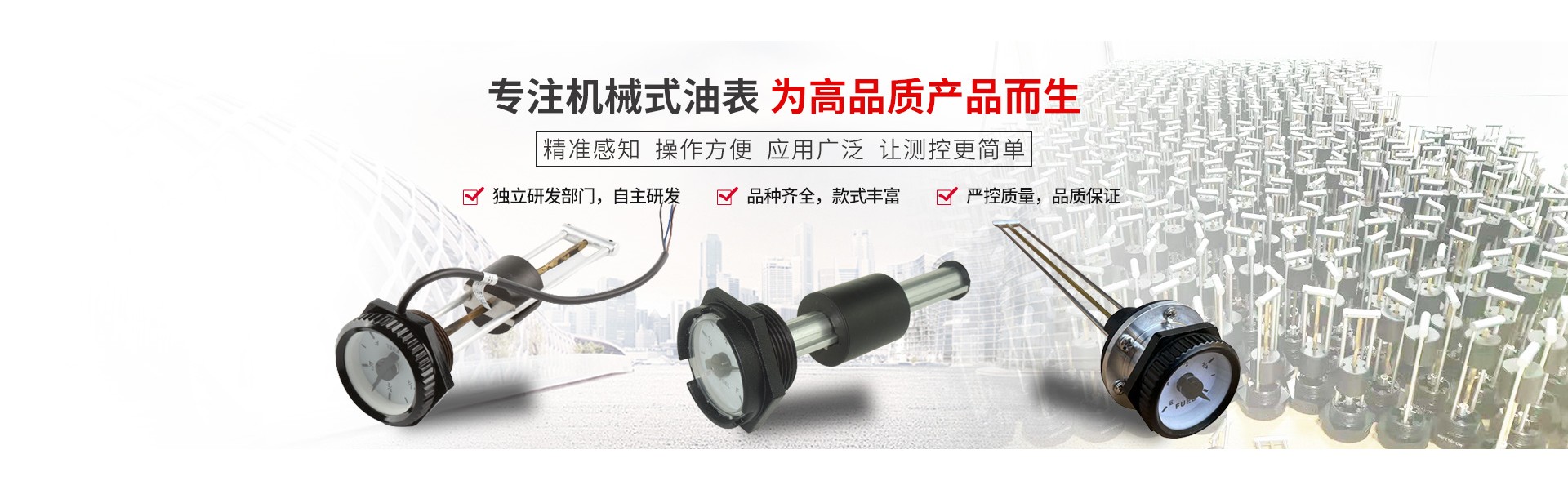


The Float Level Switch, equipped with three reed switches for low, high, and over-limit alarms, is constructed with multiple reed switches and is widely used in industries such as oil refining, chemical processing, papermaking, food, and wastewater treatment.
The float level switch sensor features three reed switches for lower limit, upper limit, and over-limit alarm. The float, equipped with a magnet, triggers the reed switches at different positions as it rises and falls with the liquid level, indicating the correct position of the liquid level through the engagement of corresponding relays on the display meter. The lower and upper limit display meters have relay contact outputs (equivalent to 1 x 2 switch). When the upper limit is exceeded, it emits an audible and visual alarm signal without relay contact output.
The float level switch sensor contains several reed switches. As the float with a magnet moves up and down with the liquid level, it actuates the reed switches at different positions, causing the sensor's resistance output to change. The display then converts this resistance change into the on/off of the indicator LED on the panel, thereby showing the measured liquid level. The display is equipped with a control point setting button, allowing for the pre-set control range of the liquid level to be set arbitrarily. When the liquid level reaches the set height, the relay inside the display closes, controlling the liquid level or triggering an alarm through the relay's contacts.
