
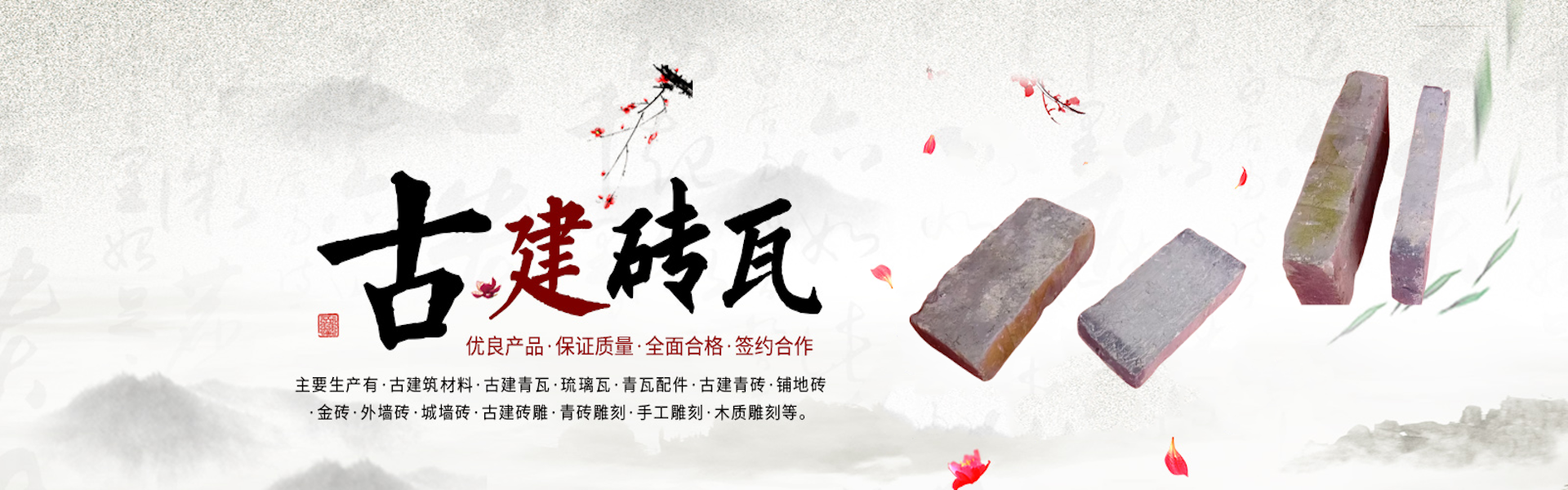
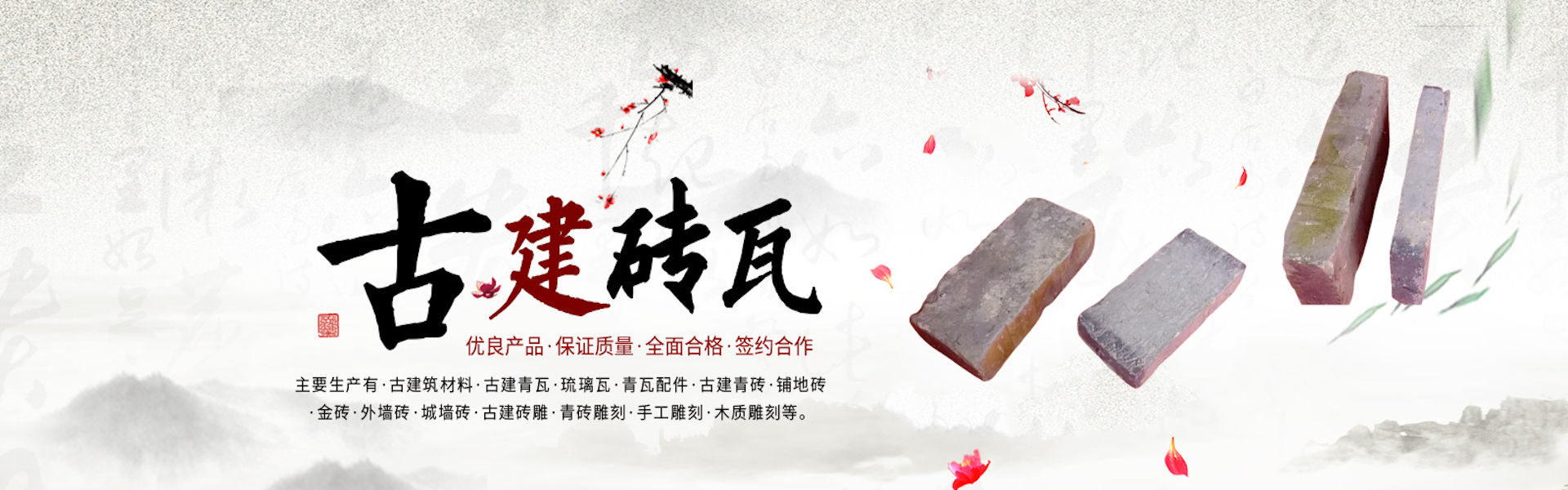


Green brick features: warm in winter, cool in summer, balances wind-drying and humidity in rain, not dry in winter, antique, beautiful and elegant, eco-friendly, non-polluting, no radiation, long-lasting wear resistance
The construction process: As a method of floor tile finishing, after laying, the gaps are filled, and the tiles are polished multiple times with a specialized machine. Then, the entire surface is polished with steel wool, followed by soaking the surface with three layers of unrefined tung oil. This achieves a surface that is resistant to stains. The finish can be customized according to customer requirements, including natural colors, matte, enhanced colors, and various other effects. For more detailed information, please consult a professional engineer.
Now, blue bricks are widely used in new trends such as Chinese-style architecture, museums, art galleries, hotels, inns, villas, teahouses, and mansions, making them the ideal material for home, wall, and floor decoration. Modern blue bricks are typically divided into two categories: antique blue bricks and machine-processed blue bricks. They are further subdivided into green bricks for connecting walls, green bricks for placing walls, and green bricks for paving.
When purchasing antique tiles, you should first consider factors such as your taste, the placement of furniture, home lighting, and the age of your home. Additionally, considering the normal wear and tear during edge cutting and construction, the purchased items should be larger than the actual area. Increase by about 5%. Before laying the antique blue tiles, you need to inform the construction workers of the details of your requirements, such as how to lay them, the size of the grout, and the tile model for the upper and lower tiles if it's a bathroom or kitchen. Also, consider the matching issue. Before assembly, soak the antique blue tiles in clean water to fully absorb it, and then remove them. It should be noted that the amount of cement does not represent quality; more is not always better. Cement labeled over 425 can easily crack due to excessive shrinkage. Generally, cleaning and maintenance of antique blue tiles are more convenient. Simply wipe with a damp cloth or a wet mop, and they will look new.
