

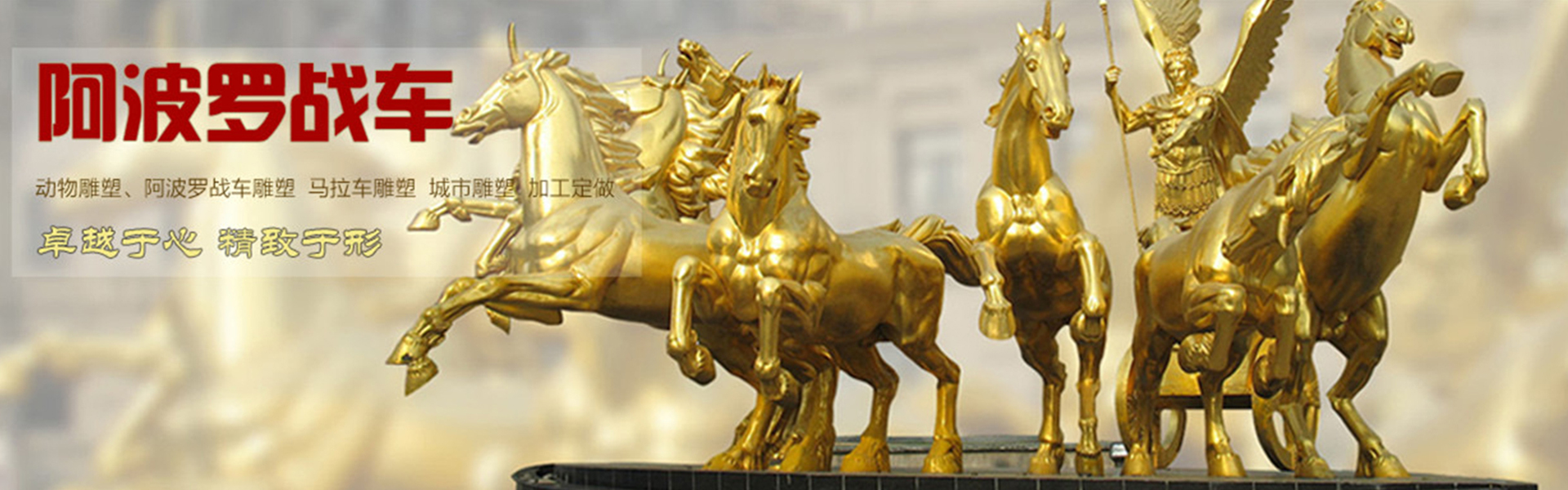

Bronze sculptures, which primarily include outdoor public environment works, can be categorized into four types: commemorative, thematic, decorative, and entertainment. Cast bronze sculptures are an essential part of the sculpture and art culture. The history of casting bronze is long and the technology mature. The casting process is more complex than forging, with excellent restoration properties in artistic creation, making it suitable material for intricate works and highly favored by artists, especially for human figures. However, due to its susceptibility to oxidation, it requires frequent maintenance.
Caring for Bronze Sculptures of Figures
Maintenance Tip #1: Environment – For the proper care of bronze sculptures, the environment is crucial. It must be kept dry and free of dust and air pollutants!
Tip Two: Protection – When maintaining cast bronze sculptures, we must learn to defend against harmful external chemicals, such as acids and chlorides! Additionally, when moving cast bronze sculptures, workers must wear cotton gloves to ensure they are not directly touching the sculptures, as sweat can corrode them.
Tip 3: Cleaning - When cleaning cast bronze sculptures, be extremely careful. Always use a clean and soft cloth to wipe away dust. For grooves or areas that are difficult to reach with a cloth, use a brush or a vacuum cleaner to blow away the dust.
Maintenance Tip Four: Polishing - For cast bronze sculptures that have been displayed for a long time and have become dull, it's important not to scrub vigorously with a cloth. Instead, use a soft, cotton-based fine cloth to gently wipe them, mainly to achieve a polishing effect, which can also make the protective wax layer on the surface of the cast bronze sculpture shine anew. Adding some specialized polishing materials would be even better, but all materials need to be carefully selected to restore their unique colors.
