


I. Overview

Part II: Applications
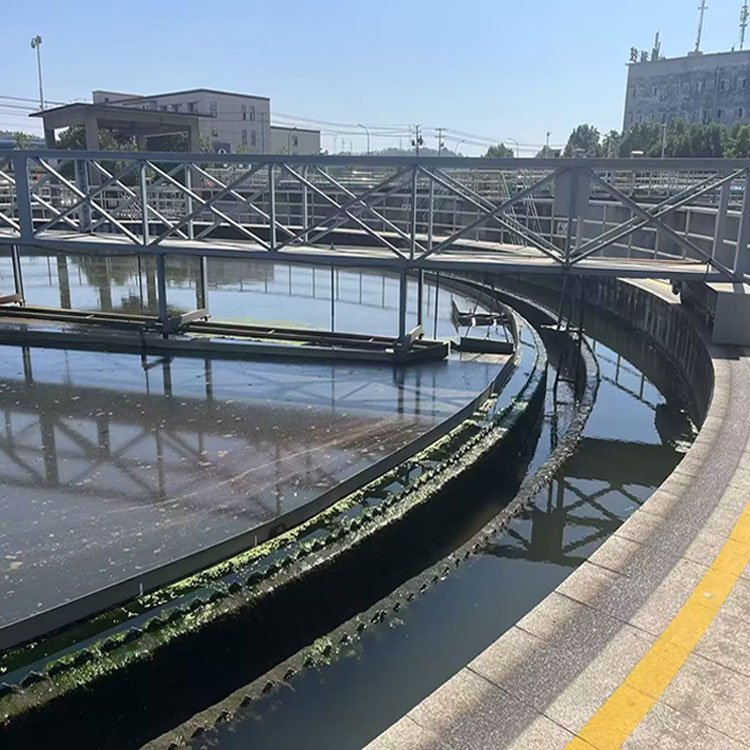
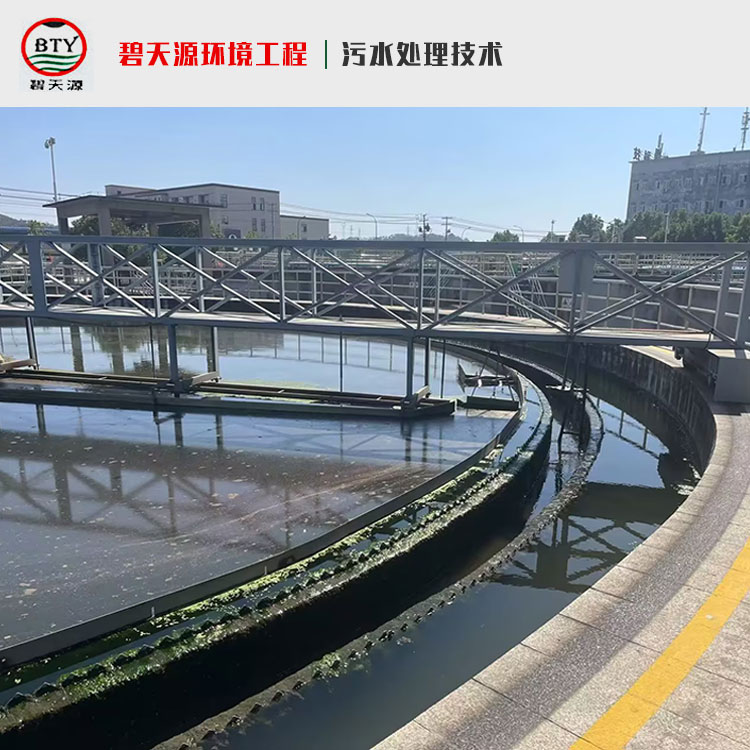
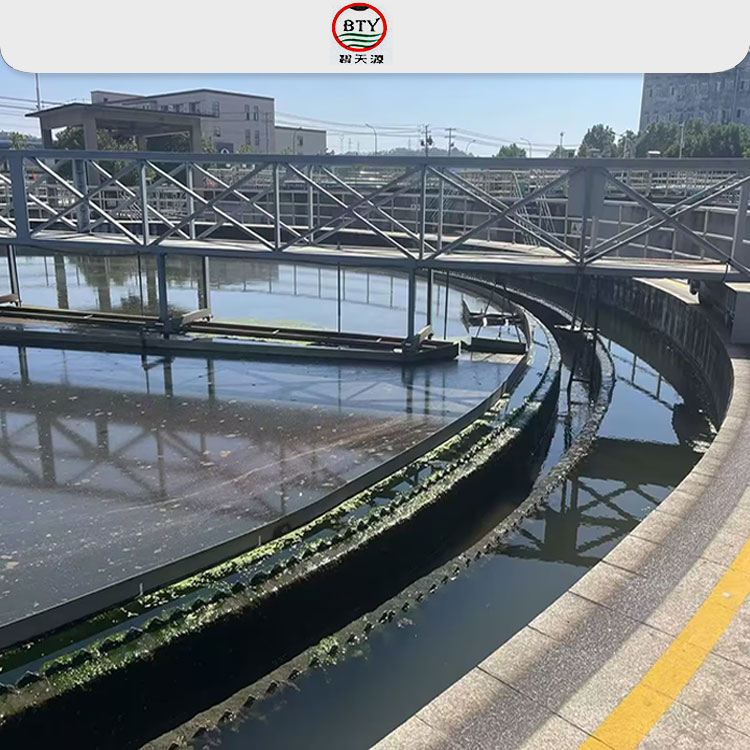
This peripheral drive sludge scraper is suitable for radial flow sedimentation tanks with medium to large diameter, featuring central water intake, peripheral water outflow, and central sludge discharge; primarily used for sludge removal in the primary sedimentation tanks of urban sewage treatment plants.
Section 3: Structure and Working Principle
The equipment employs peripheral conveyance. Wastewater enters through the inlet pipe at the center of the pond, spreads evenly after passing through a flow regulator, and exits radially towards the perimeter. Sludge in suspension settles at the bottom of the pond. The drive unit powers the working bridge to rotate around the perimeter, moving the scraper arm and blade to scrape sludge towards the central sedimentation channel. The sludge is then discharged out of the pond through the sludge outlet pipe, due to the static water pressure inside the pond. Floating debris on the water surface is removed by the skimming device and scraped into the debris removal hopper for discharge. The clarified liquid overflows through a triangular weir plate into the effluent channel for discharge.
4. Key Features
1. The working bridge can be designed in a semi-bridge or full-bridge configuration, with materials available in carbon steel, stainless steel, or aluminum alloy, etc.
2. The driving unit employs an axle-mounted bevel gear reducer in direct transmission with the active roller, featuring a compact structure and high mechanical efficiency.
3. The scraper collects mud along a logarithmic spiral trajectory, offering good continuity and a high efficiency in mud collection.
4. When the pool bottom slope is 1:10, it can reduce the resistance during sludge scraping.
5. Dual overloading protection for mechanical and electrical systems ensures safe and reliable operation.
6. Equipment operation is straightforward, allowing for direct/remote control of the equipment's operation.
