
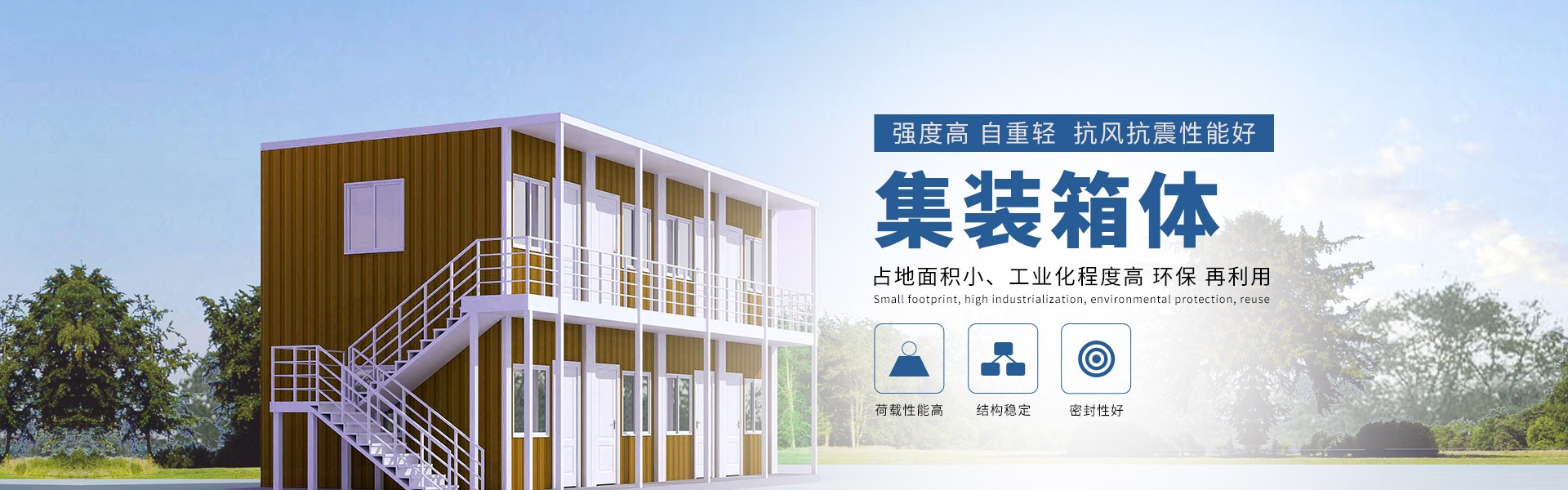
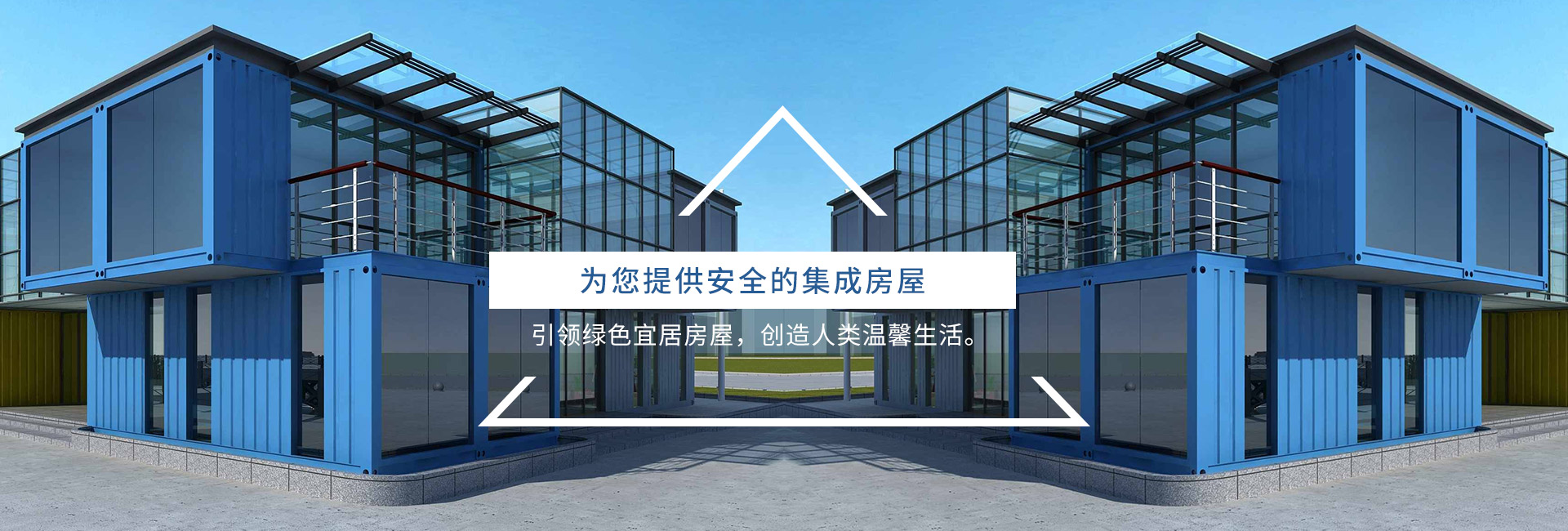

Living Container Units are the latest generation of mobile housing solutions, currently available in three types: modified living containers, welded living containers, and assembled living containers. Modified living containers are made by transforming used shipping containers, with doors and windows added at suitable positions around the container, and the interior fitted with flooring, decorated walls, and ceilings to enhance the living environment and improve insulation and soundproofing. These containers are known for their robustness, though they come at a higher price and have fixed dimensions, with a width of only 2.4 meters. As such, they are generally used in specific applications and are not suitable for widespread promotion.
Welded residential containers are the current type of living containers in use, manufactured from raw materials without quantity limitations, and are significantly cheaper than converted residential containers. They are suitable for mass production and usage, typically measuring 6 meters in length and 3 meters in width. This size is more conducive to widespread adoption and can be used as collective dormitories on construction sites, with 4-5 bunk beds arranged vertically, leaving a 1-meter-wide aisle in the middle. This maximizes the space utilization of the living container while providing ample room for movement and a more comfortable living environment. Currently, welded residential containers are widely used on construction sites, offering various living container products for purposes such as dormitories, kitchens, bathrooms, and offices.
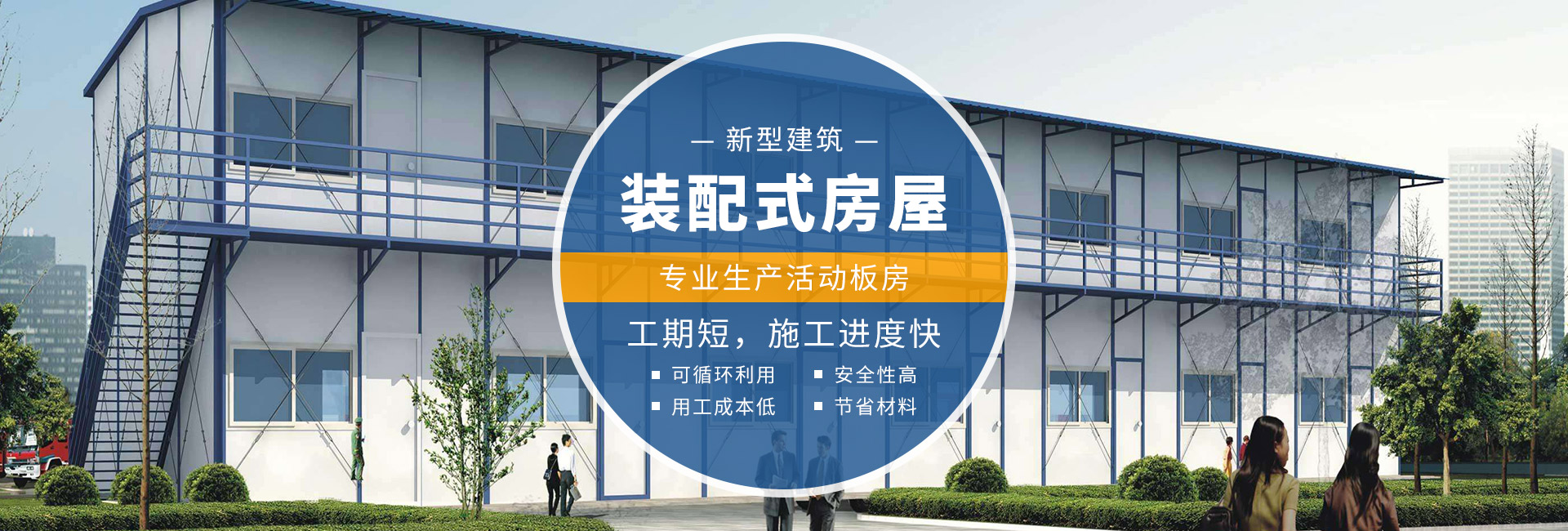
The prefabricated living container combines the advantages of both living containers and prefabricated houses. It is produced in modules, with individual parts manufactured and then transported to the site for assembly. This makes transportation more convenient and ensures the strength of the living container. Such containers are more expensive, and are currently mainly used for export, reducing transportation costs.
~The inhabitable container is a new generation of mobile housing products, currently available in three types based on manufacturing methods: converted, welded, and assembled. The converted inhabitable container is made from used containers, with doors and windows added at appropriate positions around the container, and with floors, walls, and ceilings fitted inside to make the interior more suitable for living. This also enhances the container's thermal and sound insulation. This type of inhabitable container is known for its sturdiness but comes at a higher price, with a fixed width of only 2.4 meters, and is generally used in specific situations, not suitable for large-scale promotion.
Welded living containers are the current type of living containers in use, manufactured from raw materials with no quantity limitations, and are significantly cheaper than converted living containers. They are suitable for mass production and usage, typically coming in 6 meters long and 3 meters wide. This size is more conducive to widespread adoption, as it can be used on construction sites as collective dormitories, accommodating 4-5 bunk beds with a 1-meter-wide aisle in between. This arrangement maximizes the space within the living container, providing ample room for movement and a more comfortable living experience. Currently, welded living containers are widely used on construction sites, offering a variety of living container products for purposes such as dormitories, kitchens, bathrooms, and offices.
The prefabricated living container combines the advantages of both living containers and modular buildings. It is produced in modules, with individual parts manufactured and then transported to the site for assembly, making transportation more convenient and ensuring the robustness of the living container. This type of living container is priced higher, and is currently mainly used for export, resulting in lower transportation costs.
