
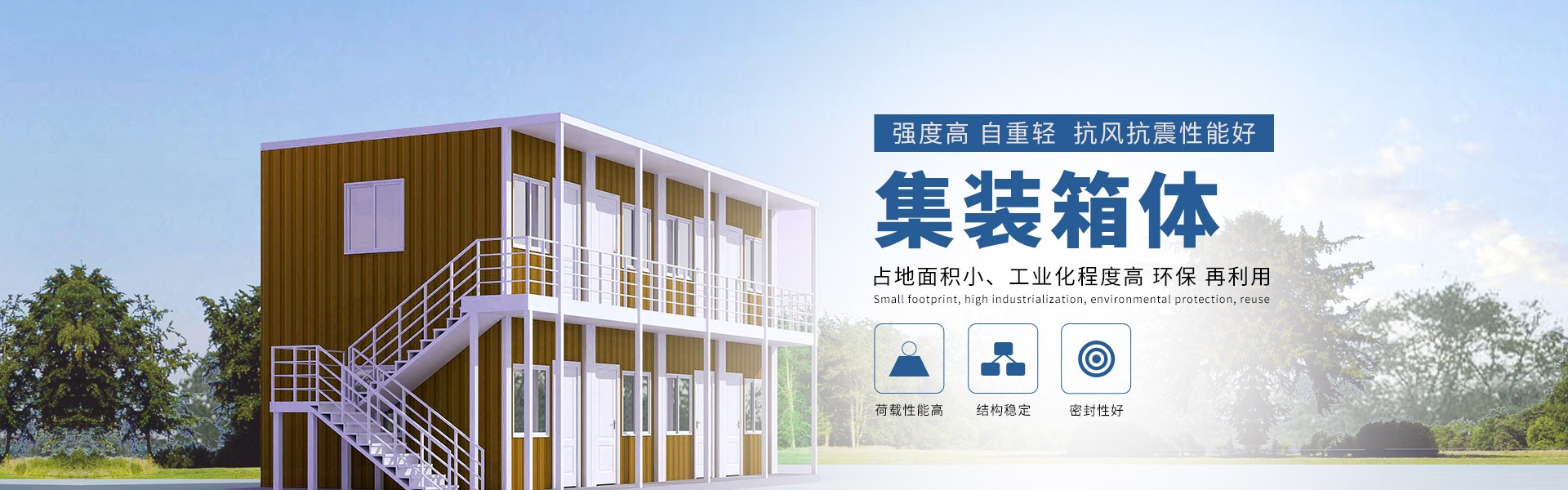
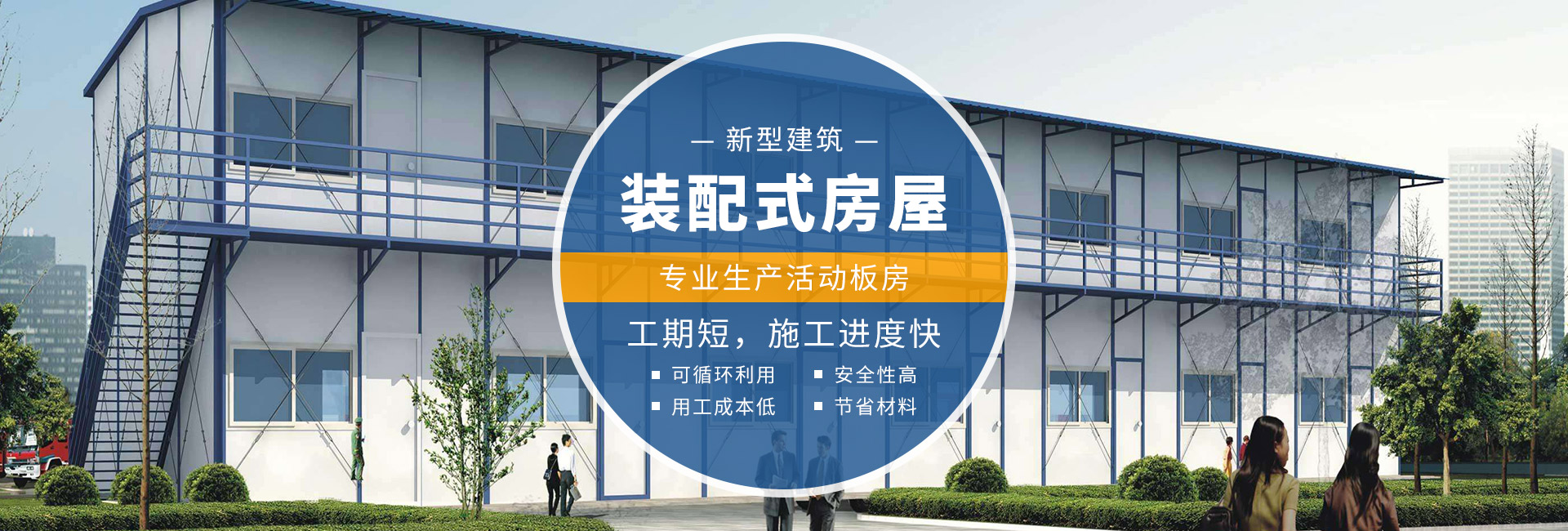
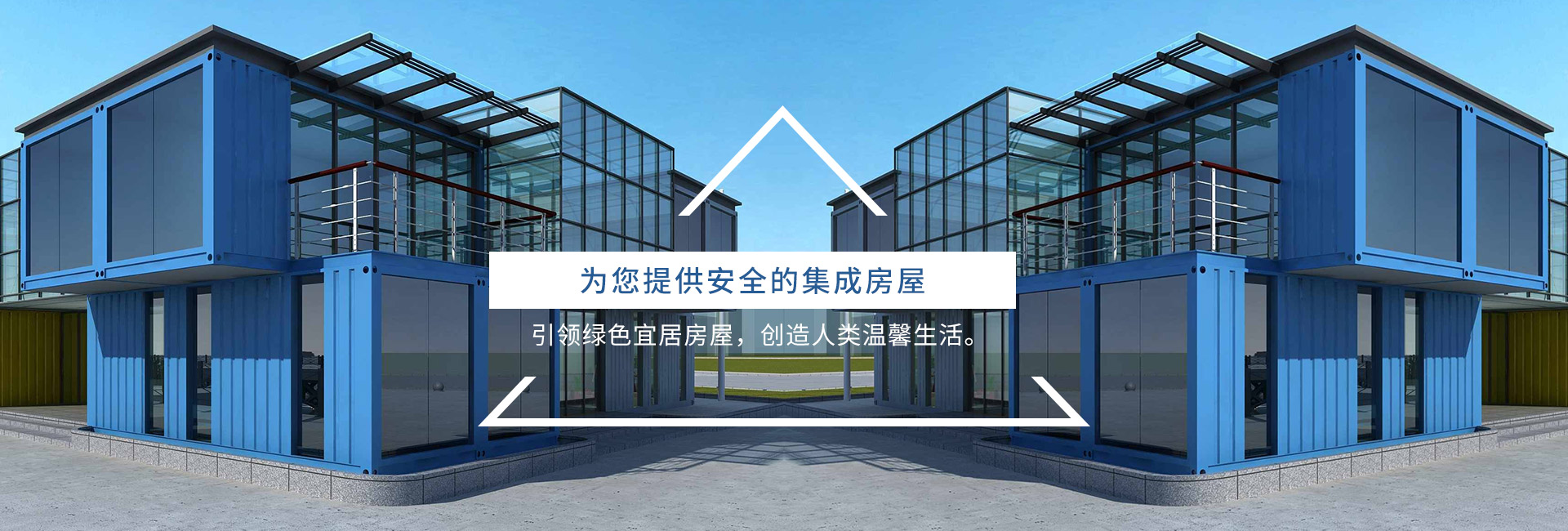

Container houses are a new concept of environmentally friendly and economical portable buildings, consisting of lightweight steel frames, sandwich panels for cladding, and spatial combinations based on standard modular series. They can be assembled conveniently and quickly, achieving universal standardization in temporary construction. This has established an architectural concept of environmental protection, energy conservation, and speed, propelling temporary housing into a field of serialized development, integrated production,配套 supply, and stockable, reusable products.
Container Houses: Special Purpose Containers
1. The high-end demand for temporary construction products on construction sites, such as office spaces for project managers, accommodation units, and meeting rooms.
2. Due to site restrictions at the construction site, only containerized modular housing products can be installed.
3. Field Operation Facilities
4. Emergency Housing
5. Temporary office, accommodation, full kitchen, bathroom, etc.
Construction sites are ideal environments for the extensive use of container housing. These accommodations cater to the needs of construction workers who require night shifts, providing them with a temporary shelter that offers protection from the elements. Top-rated container housing is equipped with professional, detailed, and user-friendly interiors, ensuring a living experience that is on par with any hotel room.
Fieldwork: Many outdoor adventurers and researchers often need to conduct extended fieldwork, such as collecting samples and conducting experiments, which cannot be sufficiently met by tents alone. Especially in desolate areas, tents are often inadequate against wild animals and various pests. This is where container mobile housing becomes particularly prominent, expanding the field of work into another reliable application for container mobile housing.
Emergency Relief: Natural disasters like earthquakes and floods often result in displaced populations without homes. The exposed environment not only hinders the effective healing of the disaster victims' physical and mental health but also poses potential threats from infectious diseases. Therefore, in regions with the necessary conditions, using containerized mobile housing to quickly establish temporary living spaces as a transitional measure for post-disaster reconstruction is actually a better option than traditional tents.
