

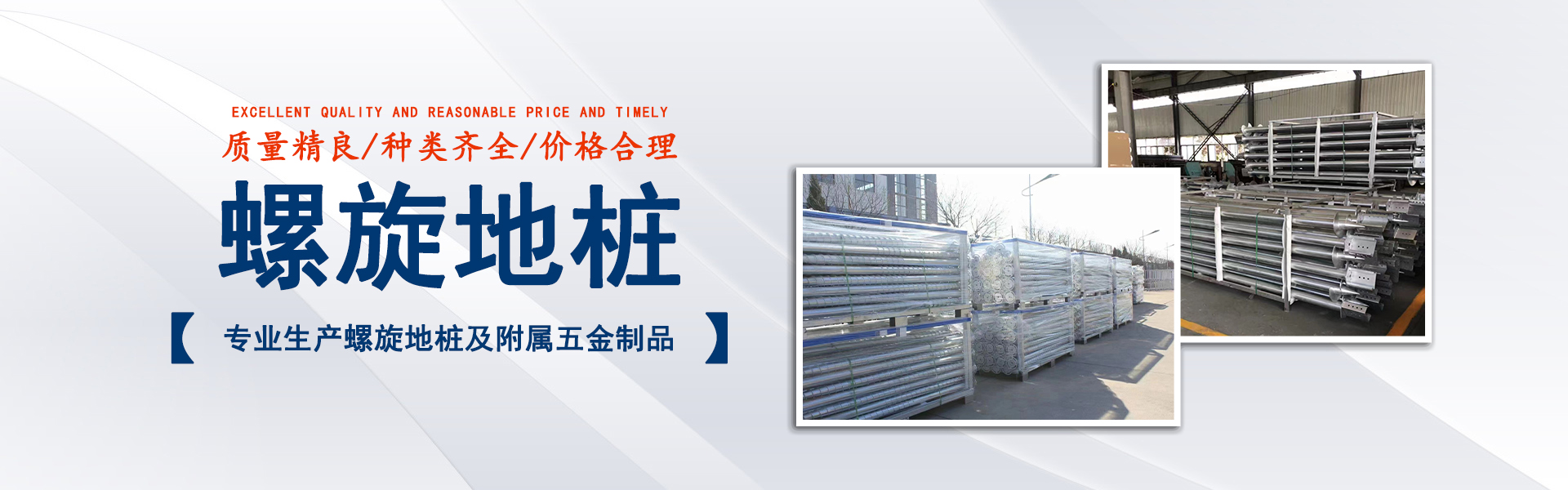
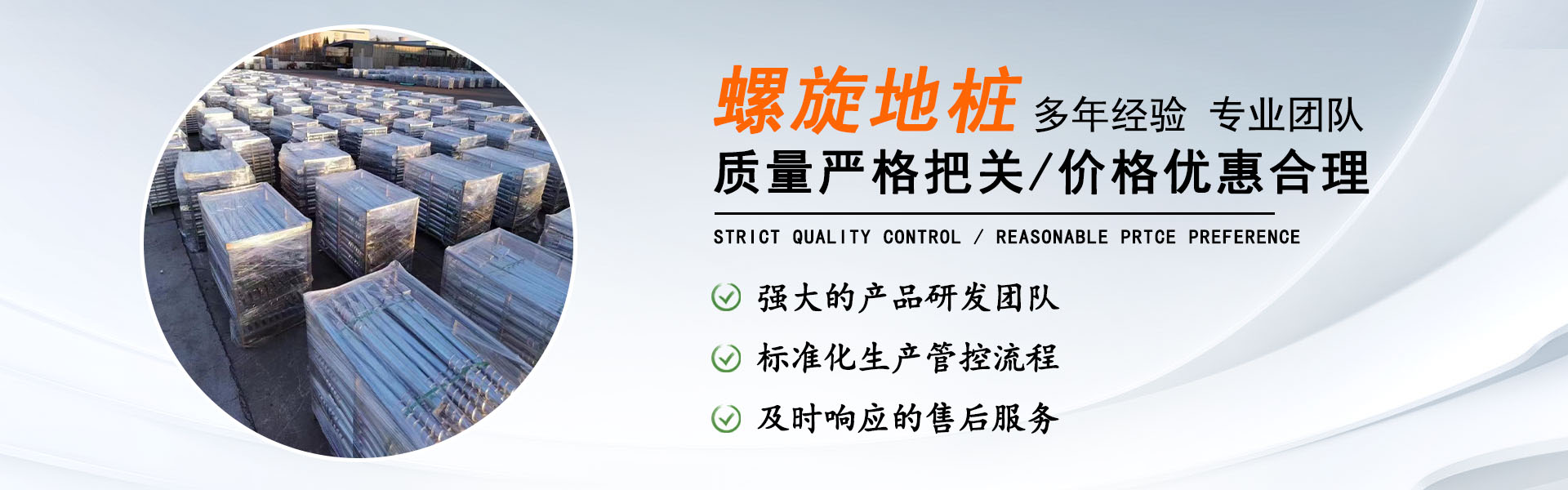

Helical piles are generally produced through processes such as cutting, shaping, welding, pickling, and hot-dipping before they are deemed qualified. Pickling and hot-dip galvanizing are crucial anti-corrosion treatments that significantly affect the service life of helical piles.
The level of pile processing directly determines the service life of metal piles. Factors such as the quality of the welded pipe, the welding standard, the presence of sand holes or cold joints, the width of the weld, all influence the future service life and the quality of subsequent processing of the piles. Pickling is an essential anti-corrosion base process, and the quality of hot-dip galvanizing, such as the duration of the dip and the effectiveness of surface treatment, also affect the quality of the anti-corrosion treatment.
Generally, helical piles can last for 40-80 years. The environment in which they are used and the methods of use also affect their lifespan, such as the acidity or alkalinity of the soil, whether the operation is proper, and improper use can lead to the destruction of the metal pile surface, damage to the protective layer, and accelerated corrosion, thereby reducing the lifespan.
