



What is the difference between polyurethane foam board and thermal insulation cotton? Which one is better for thermal insulation?
Today, we'll discuss the origin of rock wool materials and compare the thermal insulation performance of polyurethane foam boards and thermal insulation cotton! Below:
Rock wool originated in Hawaii. After the first volcanic eruption on the Hawaiian Islands, residents found strands of soft, melted rock on the ground, which is the first-known rock wool fiber. The production process of rock wool actually simulates this natural volcanic eruption process. Rock wool products are made from high-quality basalt, dolomite, and other raw materials, which are melted at temperatures above 1450°C and then spun into fibers at high speed using an advanced four-axis centrifugal machine. After that, a certain amount of binder, dust-proof oil, and hydrophobic agent are added, and the fibers are collected by a cotton gathering machine. They are then solidified and cut using the pendulum method and the three-dimensional laying method to form rock wool products of different specifications and uses. Polyurethane rigid foam is a high polymer made from isocyanates and polyethers, which is foamed in situ by mixing with various additives such as blowing agents, catalysts, and flame retardants under high pressure. Polyurethane foam comes in two types: soft foam and rigid foam. Soft foam has an open-cell structure, while rigid foam has a closed-cell structure; soft foam is further divided into skin foam and non-skin foam.
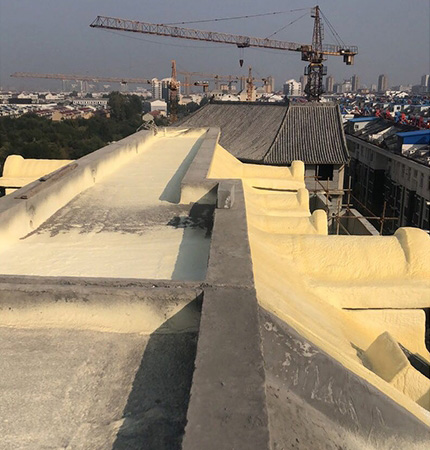
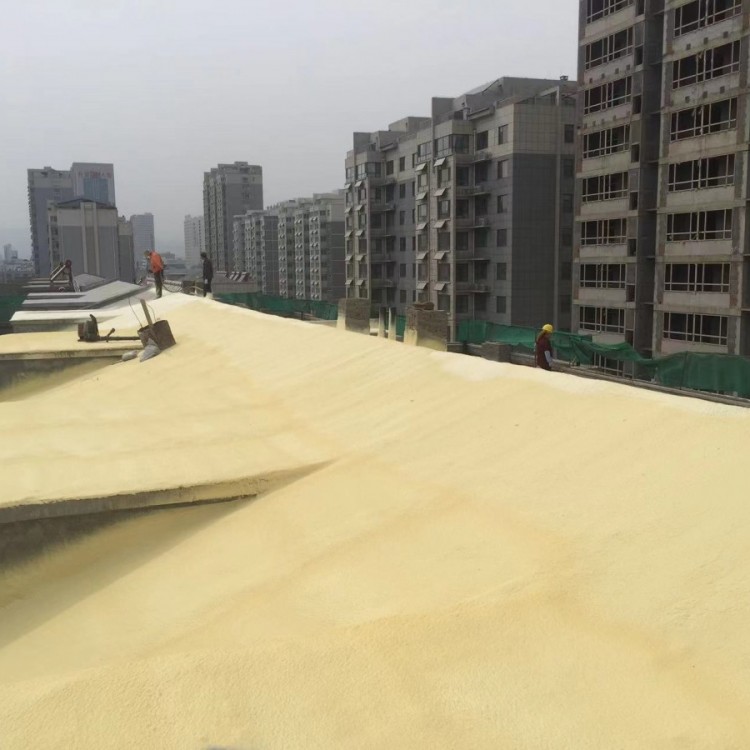
Polyurethane soft foam primarily serves as a cushioning material. It is commonly used in sofa furniture, pillows, cushions, toys, clothing, and soundproofing linings. Polyurethane rigid foam is a new type of synthetic material with thermal insulation and waterproofing properties, featuring a low thermal conductivity of only 0.022-0.033 W/(m*K), which is half that of extruded polystyrene boards. It currently boasts the lowest thermal conductivity among all insulation materials. Rigid polyurethane foam is mainly applied in building exterior wall insulation, integrated roof waterproofing and thermal insulation, cold storage thermal insulation, pipe insulation materials, building panels, refrigerated trucks, and cold storage thermal insulation materials.
Polyurethane rigid foam has a thermal conductivity of only 0.023, which is much lower than rock wool. Naturally, for refrigerators, polyurethane is the ideal choice, and it's also easy to process.
Polyurethane offers excellent performance. It is used as thermal insulation material for refrigerators, freezers, cold storage, and water heaters.