

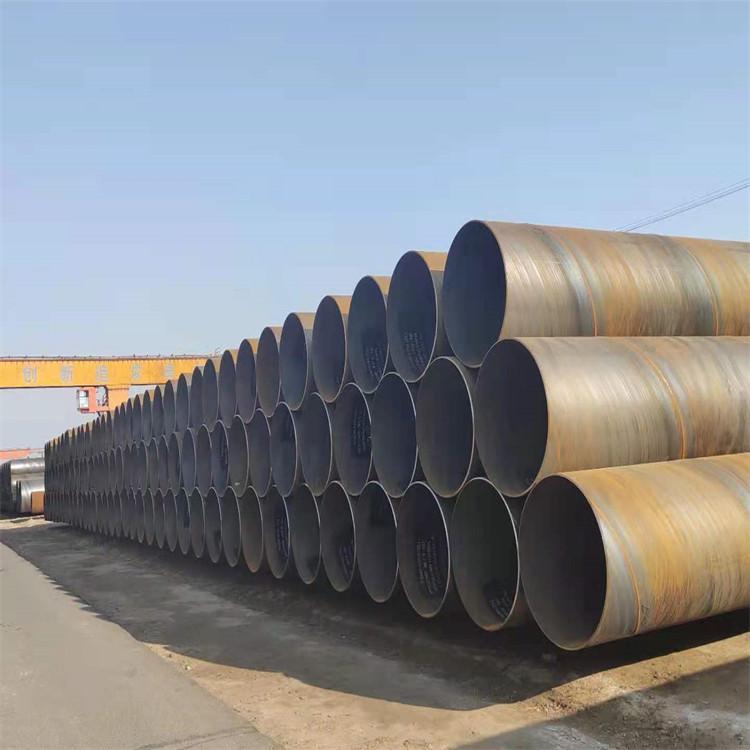


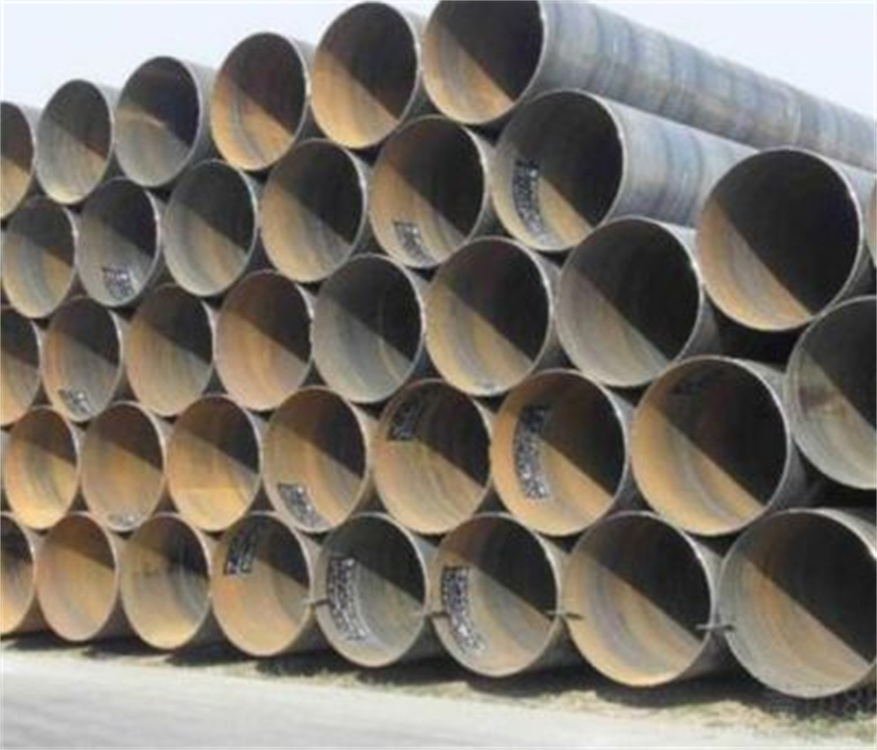
The production process of spiral pipes is similar to that of ordinary seamless tubes. For welding thick-walled seamless steel tubes, if stringent welding techniques are not employed, cracks may form at the weld seams. Rational welding procedures are established through the analysis of the weldability of the base material. 1. Chemical composition of the base material: 45# steel is a medium-carbon steel, and the weldability of carbon steel changes significantly with the increase in carbon content. Thicker tube walls have higher carbon content, leading to the formation of quenching tissues near the weld in the heat cycle of welding. This brittle state, combined with high shrinkage stresses, can cause cold cracks near the weld. 2. Reduce the hydrogen content of the weld metal: During welding, the weld area absorbs hydrogen gas. Hydrogen is a result of the moisture content in the water used and oil contamination, iron rust, etc., on the base material, which decompose into hydrogen atoms at the high temperature of the electric arc and dissolve into the welding melt. As the temperature drops, the solubility of hydrogen sharply decreases. Due to the rapid cooling speed of the joint, the weld area can also be saturated with argon. Hydrogen precipitates at certain defects, and the remaining hydrogen in the steel can also make the properties脆. 3. Welding preparation: It is essential to dry the bevels before welding, especially when using low-hydrogen welding rods. Perform drying at 350 degrees Celsius for 2 hours. When in use, wrap the welding rods in a welding rod tube to heat them at any time to reduce the hydrogen content in the welding rods. Preheat the weld bevels to 250 degrees Celsius before welding. If cold cracks appear during the welding process, resolder as necessary. Each joint must be completed in a single, continuous weld.
