

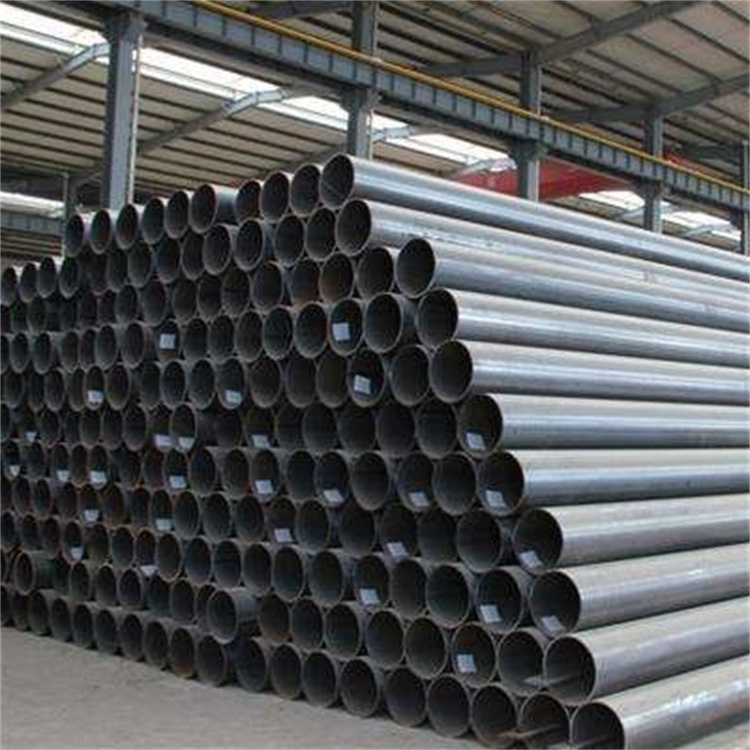
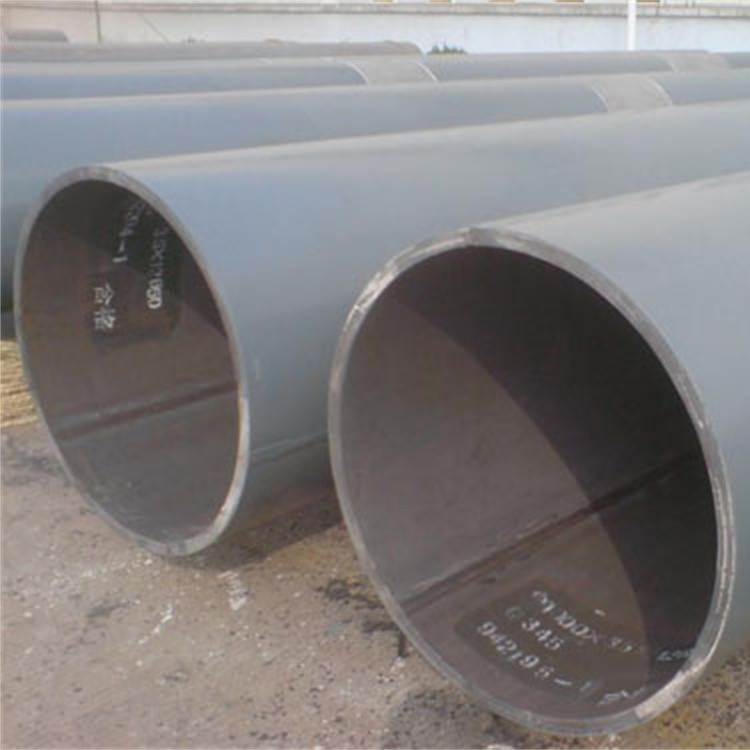
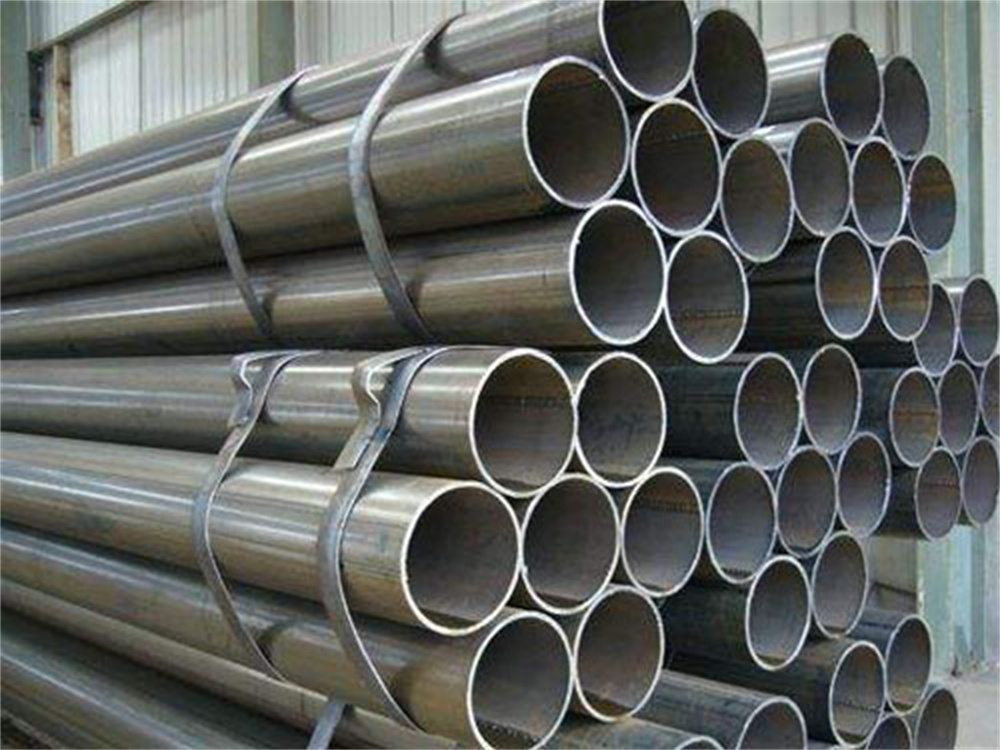
Seamless Steel Pipe vs. Welded Steel Pipe Seamless steel pipe is a long strip of steel with a hollow cross-section and no seams around the perimeter. Steel pipes with a hollow cross-section are extensively used as pipelines for conveying fluids, such as oil, natural gas, coal gas, water, and certain solid materials. Welded steel pipe, also known as ERW (Electric Resistance Welded) pipe, is made by welding steel plates or strips after they are rolled into shape. The production process for welded steel pipe is simple, with high efficiency, a wide variety of sizes, lower equipment costs, but lower strength compared to seamless steel pipe. Welded steel pipes are classified into straight seam welded pipes and spiral seam welded pipes. Straight seam welded pipes have a simple production process, high efficiency, low cost, and rapid development. Spiral seam welded pipes generally have higher strength than straight seam pipes, allowing for the production of larger diameter pipes with narrower billets and different diameter pipes with the same width billets. However, compared to pipes of the same length with straight seams, the length of the weld seam increases by 30% or more, and the production speed is slower. Therefore, smaller diameter welded pipes mostly use straight seam welding, while larger diameter pipes usually use spiral welding. Seamless Steel Pipe vs. Welded Steel Pipe Generally speaking, from the outside surface, seamless steel pipes have a smooth surface without any gaps; welded steel pipes have one or more weld seams. Welded pipes with DN100 or above are less common, whereas seamless pipes are more prevalent.
