
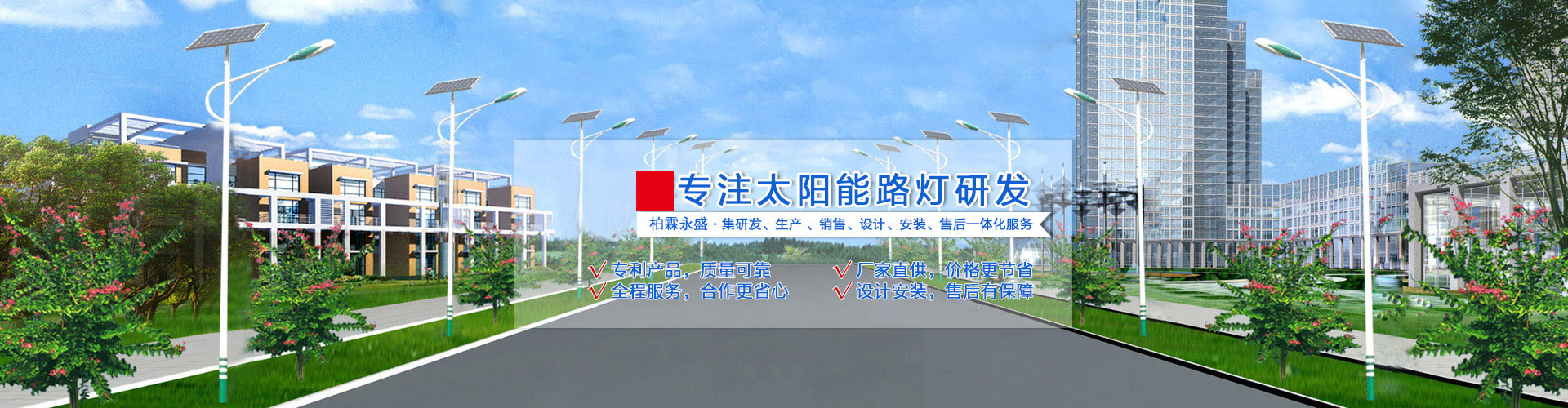
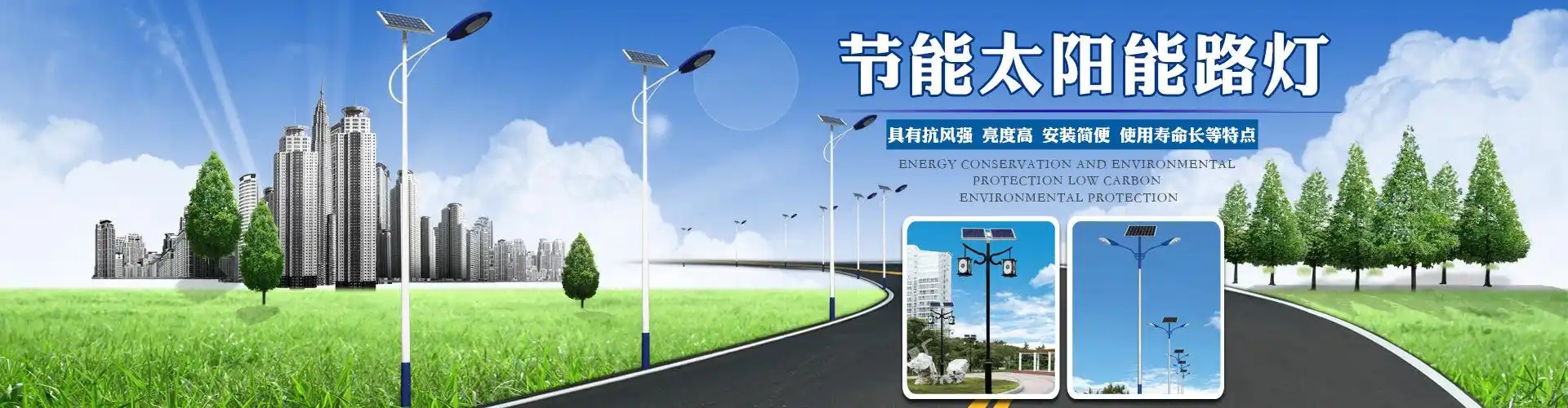




Landscape lighting is a type of outdoor lighting fixture, typically referring to street lighting for outdoor roads under 6 meters in height. It primarily consists of five main components: the light source, fixture, pole, flange, and foundation embedment. The light source is a crucial part of all lighting products, and various brands and types can be chosen based on different illumination requirements. Common light sources include incandescent bulbs, energy-saving lamps, fluorescent lights, sodium lamps, metal halide lamps, ceramic metal halide lamps, and new LED light sources. Landscape lighting is widely used for outdoor lighting in various public spaces, such as city slow lanes, narrow lanes, residential communities, tourist attractions, parks, squares, and other public areas. When purchasing landscape lighting, the following issues should be considered:
Lighting Effects: Consider the impact of various garden light types on beam range and brightness. Larger fixtures generally cover a wider area, while intense light sources can make the garden brighter. If you desire a specific lighting effect, such as highlighting a landscape or decoration, opt for adjustable-angle fixtures for flexible light direction adjustments. Additionally, pay attention to the color temperature of the lighting; cool light creates a modern feel, while natural light is more comfortable and suitable for home environments.
2. Waterproof Rating and Weather Resistance: As garden lights are often exposed to outdoor environments, their waterproof performance is crucial. When selecting, it is recommended to choose products with at least an IPX5 rating to ensure they can withstand rain and moisture. Particularly in humid regions or areas that frequently experience harsh weather, a high waterproof rating can effectively extend the lifespan of the lighting and reduce maintenance costs.
3. Control Methods: Garden lights on the market come in two types: switch-controlled and remote-controlled, allowing consumers to choose based on personal preference. If frequent adjustments to light intensity or on/off times are needed, opting for a remote-controlled fixture will make operation more convenient. However, if simplicity in operation is a higher priority, traditional switch-controlled lights can still meet basic needs.
