
日期:2024-10-27 浏览:50

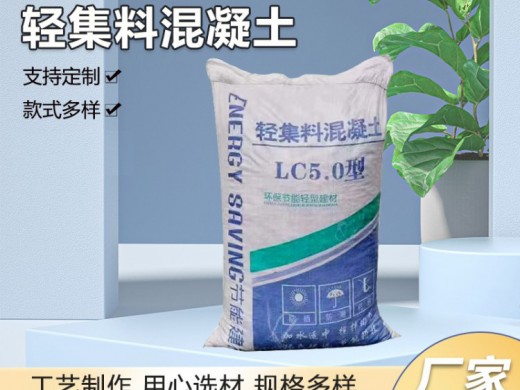
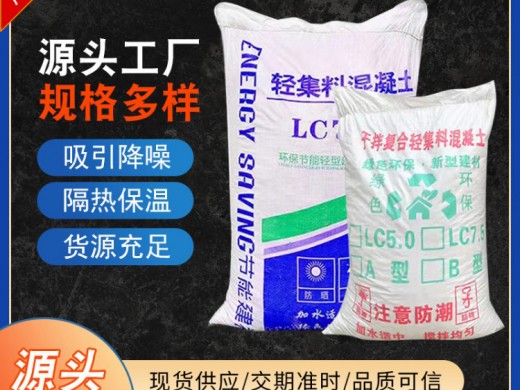
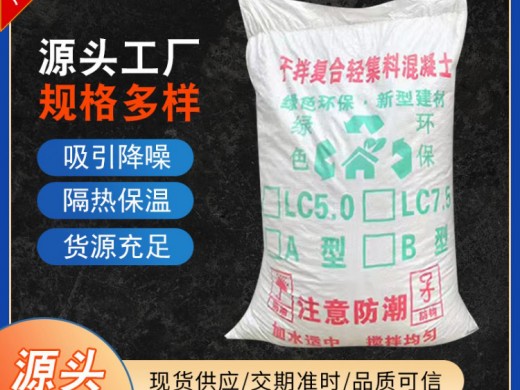
Dry-mixed composite lightweight aggregate concrete, as a special type of building material, boasts a range of unique advantages and disadvantages. The following provides a clear and itemized summary of its pros and cons:
Advantages
Lightweight and High-Strength:
Dry-mixed composite lightweight aggregate concrete features low density and high strength, making it an ideal choice for reducing the weight of buildings and enhancing seismic performance. Its lightweight nature helps to lower the overall load on structures, thereby saving construction materials and reducing costs.
Insulation and Heat Retention:
Due to its high content of lightweight aggregates, dry-mixed composite lightweight aggregate concrete boasts excellent thermal insulation properties. This feature can effectively reduce a building's energy consumption, enhance living comfort, and align with the design philosophy of modern green architecture.
Construction Convenience:
This concrete can be dry mixed on-site, eliminating the need for specialized concrete mixers and equipment, making construction convenient and quick. This convenience helps to shorten the construction cycle, reduce costs, and enhance efficiency.
SustainabilityEnergy-saving:
The raw materials used in the dry-mixed composite lightweight aggregate concrete are all environmentally friendly, free of harmful substances, and non-polluting to the environment. Moreover, the production process can make extensive use of industrial solid waste such as fly ash and silica fume, which is conducive to the comprehensive utilization of resources and the protection of the ecological environment.
Comprehensive technological and economic benefits realized:
Lightweight aggregate concrete boasts excellent workability, volume stability, and durability, which has led to its wide application in modern building structures. Its comprehensive technical and economic benefits provide strong support for the development of the construction industry.
Widely Applicable:
Dry-mixed composite lightweight aggregate concrete can be applied in various fields such as floor sublayers, kitchen and toilet sublayers, moisture-proof layers, and slope finding layers. Its lightweight, high strength, and thermal insulation properties make it play a crucial role in various architectural structures.
Flaw
Relatively Lower Strength:
Due to the use of lightweight aggregates, the dry-mixed lightweight aggregate concrete has lower strength compared to conventional concrete. This to some extent limits its application in load-bearing structures. However, adjusting the mix ratio and using high-strength aggregates can improve its strength to a certain degree.
Cracking Easily
Lightweight aggregates are susceptible to external environmental factors like temperature and humidity, which can lead to cracking in dry-mixed composite lightweight aggregate concrete. Particularly during construction, improper control over key aspects such as mix ratios and curing time can increase the risk of cracking. Therefore, special attention must be paid to construction technical details and quality control during usage.
In summary, dry-mixed composite lightweight aggregate concrete boasts light weight and high strength, thermal insulation, ease of construction, and environmental friendliness.Energy-efficientThe product boasts several significant advantages; however, it also has drawbacks such as relatively low strength and tendency to crack. In practical applications, a comprehensive consideration and selection based on specific circumstances are required.