

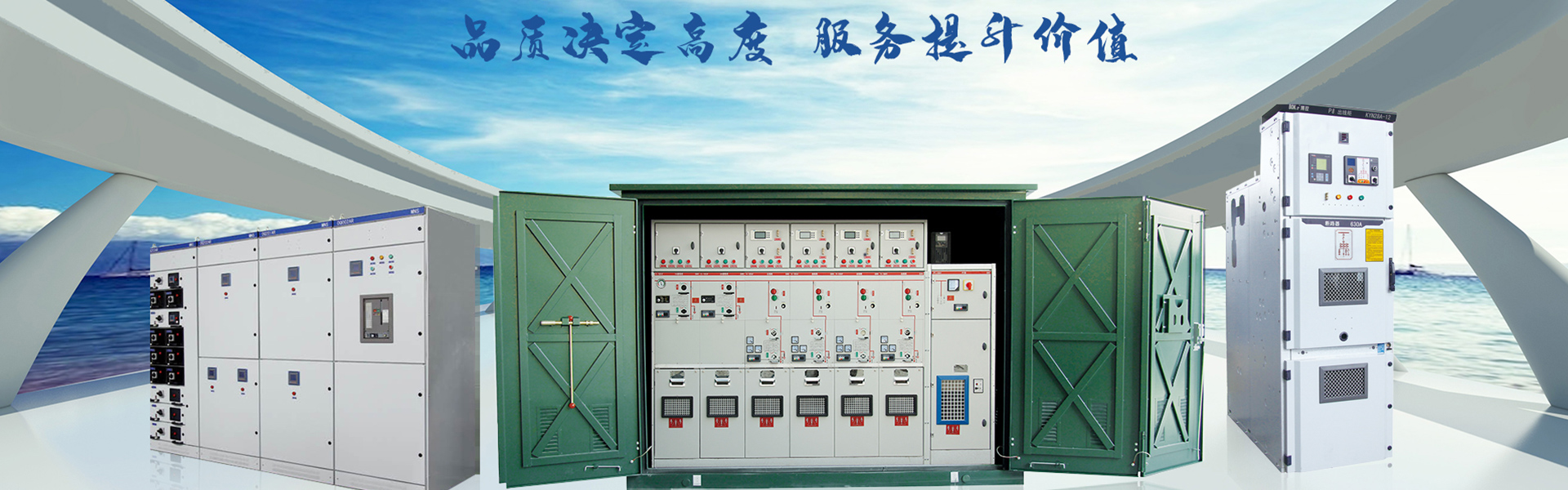
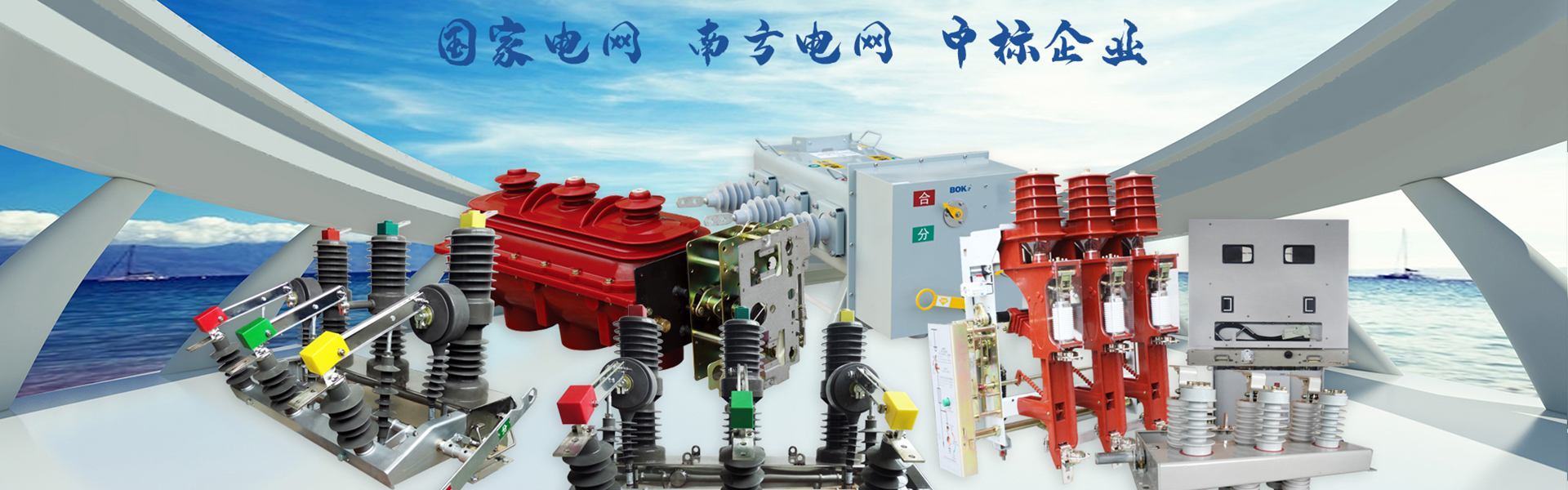
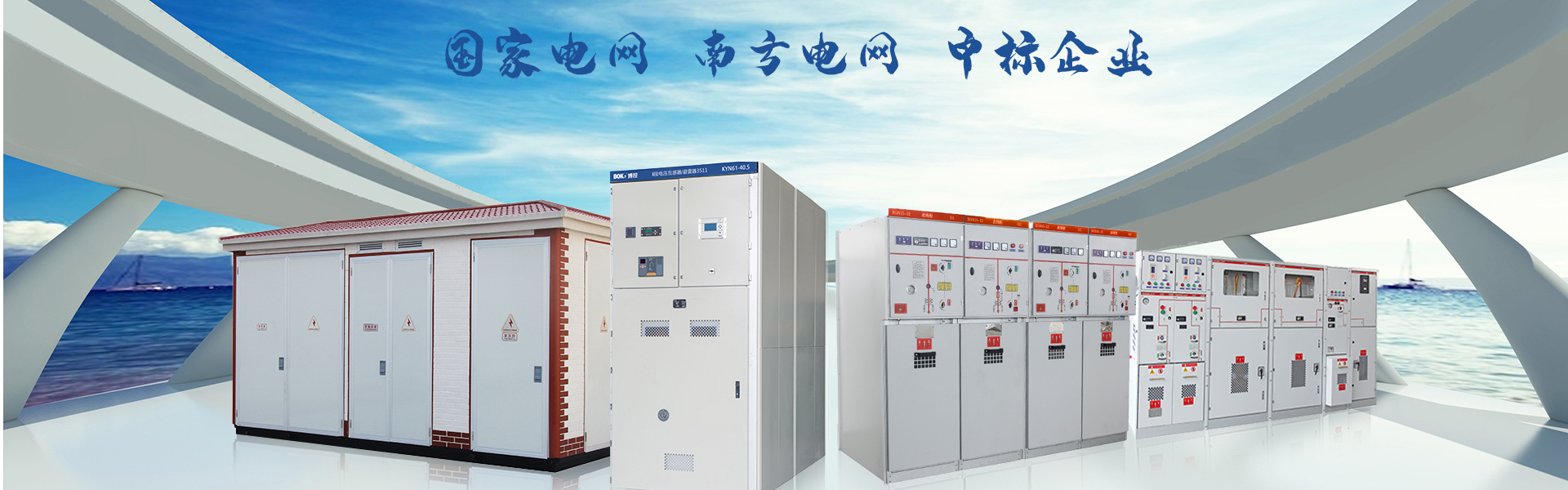

Air-insulated switchgear, commonly referred to as semi-insulated switchgear; gas-insulated switchgear, generally known as full-insulated switchgear.
The difference lies in
The air-filled insulation provides an inter-phase distance just one-third of that in an air-insulated cabinet, significantly reducing the size of the switchgear.
2. Full-insulated ring main unit insulating medium: Utilizes SF6, N2 gases, or their composite mixtures as insulating media, offering strong insulation properties.
3. Electrical Clearances: The insulating properties of the insulating gas are significantly superior to air, with the electrical clearances in fully insulated cabinets much smaller than those in semi-insulated cabinets.
4. Equipment Size: Due to smaller electrical clearances, the fully insulated cabinet dimensions are significantly smaller than those of semi-insulated cabinets of the same voltage class, occupying less floor space.
5. Altitude Impact: The main circuit components of the fully insulated ring main unit are housed within an airtight compartment, maintaining a constant pressure and unaffected by altitude, making it particularly suitable for high-altitude regions. The insulation performance of the semi-insulated ring main unit is directly impacted by altitude, with standard products designed for altitudes below 1000 meters; for higher altitudes, special designs are required.
6. Contamination Impact: The full insulation ring main cabinet is unaffected by contamination, making it suitable for polluted areas. The semi-insulated ring main cabinet is directly impacted by contamination, and special designs are required under particularly harsh conditions.
