




Bridges Automation Online Monitoring Solution
I. Overview
Modern large-scale bridges are critical nodes of transportation main arteries, significantly impacting the development of transportation. Over time, due to environmental erosion, material aging, and the increasing traffic volume, especially with the rising number of heavy and overweight vehicles, bridge structures suffer damage and functional degradation. This leads to a decrease in the ability to withstand natural disasters and even normal environmental influences, potentially causing catastrophic accidents and resulting in significant loss of life and property. Automated monitoring and diagnosis of bridge structural performance, along with timely damage assessment and safety warnings, have become an inevitable requirement for future bridge construction.
II. System Composition
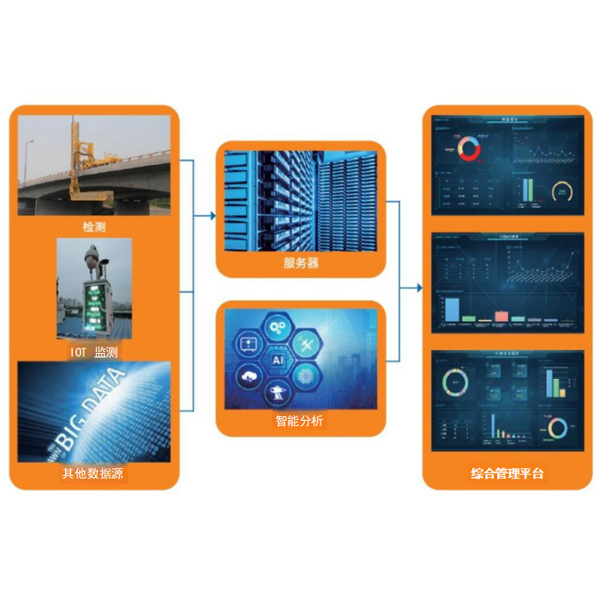
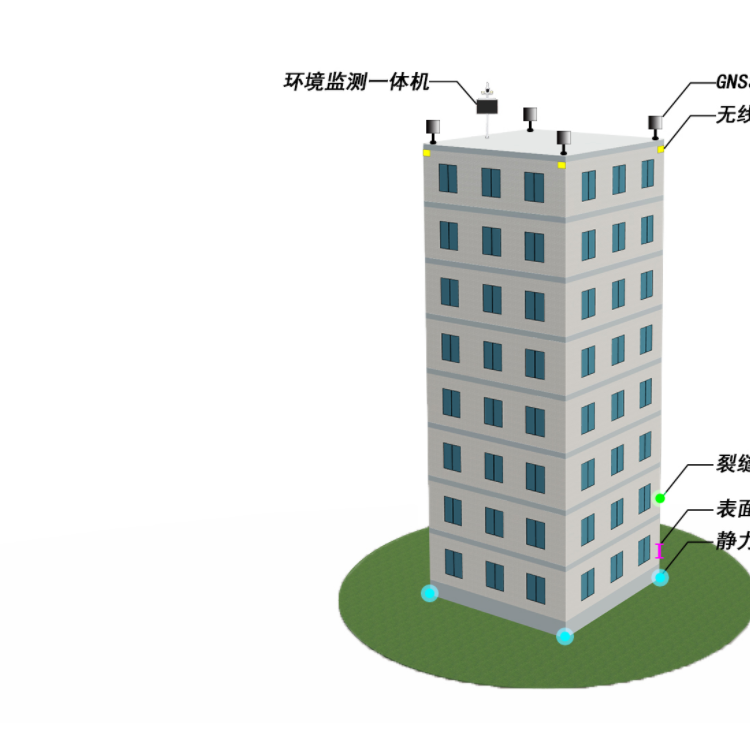
The Bridge Automation Online Monitoring System is an integrated automated monitoring system that incorporates technologies such as the Internet of Things, sensors, wireless transmission, and cloud computing. It collects structural and environmental data from critical parts of the bridge, providing real-time monitoring and analysis of the bridge's operational status and performance. Based on the key data collected by the system, it triggers early warning signals for special weather conditions, traffic situations, or severe anomalies in the bridge's operation, providing a basis and guidance for maintenance, repair, and management decisions to ensure the safety of the bridge during operation. The architecture of the Bridge Automation Online Monitoring System is as shown below, primarily consisting of the perception layer, data collection layer, transmission and communication layer, cloud platform, and mobile terminal.
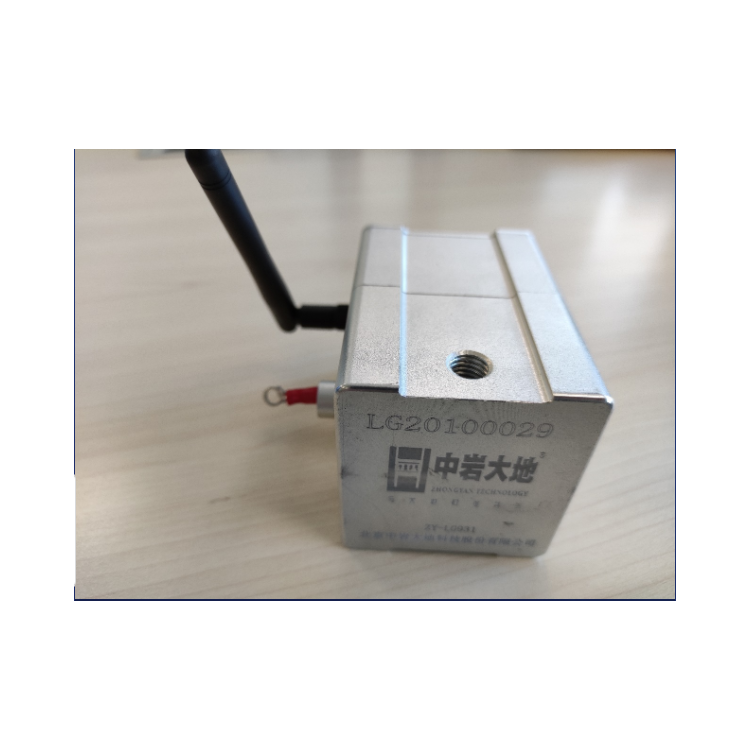
Sensor Layer: Primarily responsible for signal conversion of physical quantities to be monitored, composed of various types of intelligent sensors, including strain sensors, pressure sensors, tilt sensors, and force sensors. The Data Acquisition Layer is mainly responsible for data collection, converting the electrical signals from the sensor layer into digital signals for easy long-distance transmission.
Transmission Communication Layer: Responsible for communication and data transfer between the collection layer and the cloud platform, with data transfer methods mainly including wired and wireless transmission. Wired transmission sends data to the cloud platform and distributes cloud platform data via fiber optic cables and network cables through a gateway; wireless transmission primarily transmits data to the cloud platform and distributes cloud platform data via 2G/3G/4G/5G networks.
Application Layer: Responsible for data information management, including issuing control commands, receiving data, multi-sensor data fusion analysis, result display, and early warnings. Early warning information is promptly sent to relevant management personnel via SMS or email, and prompts the backend to conduct a safety assessment of the current structural status in a timely manner.