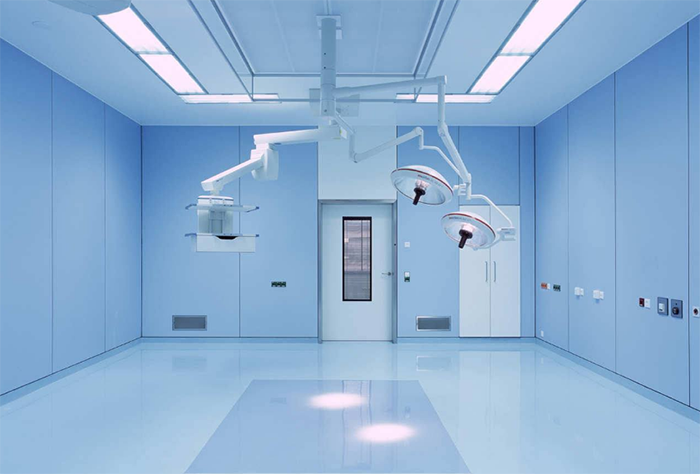
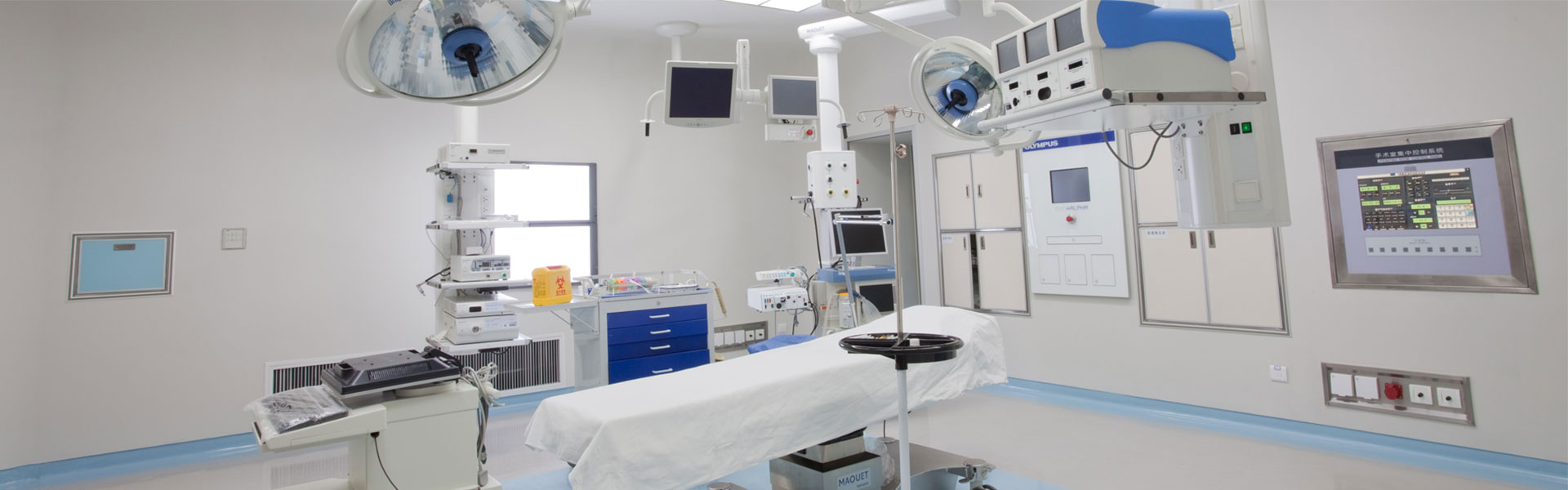
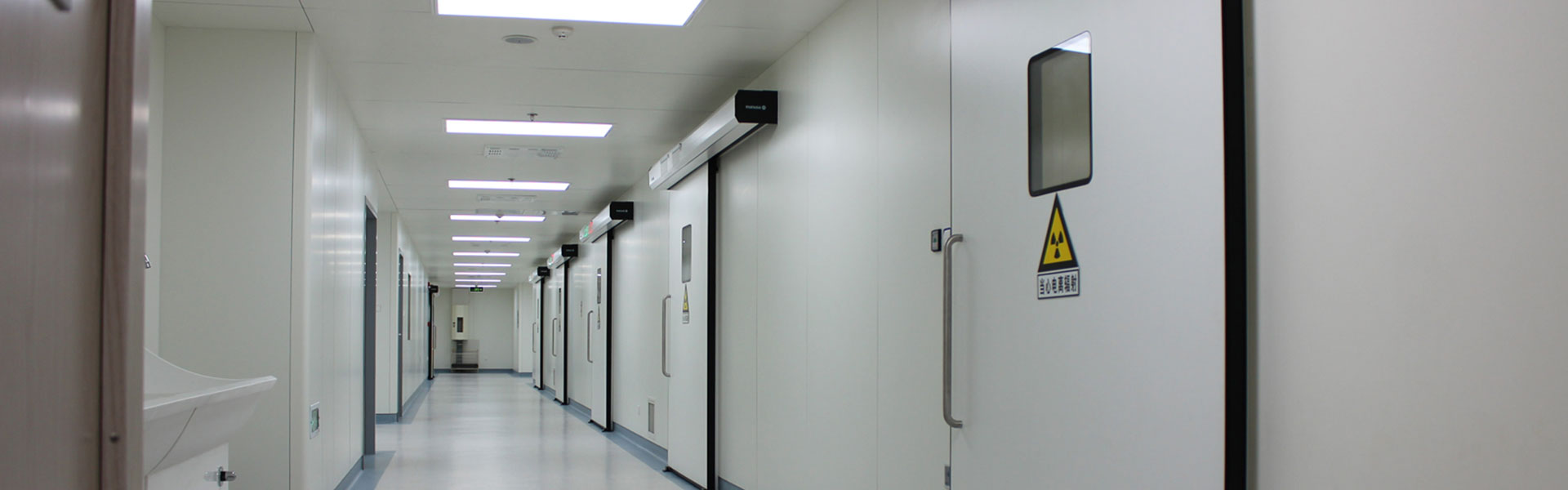
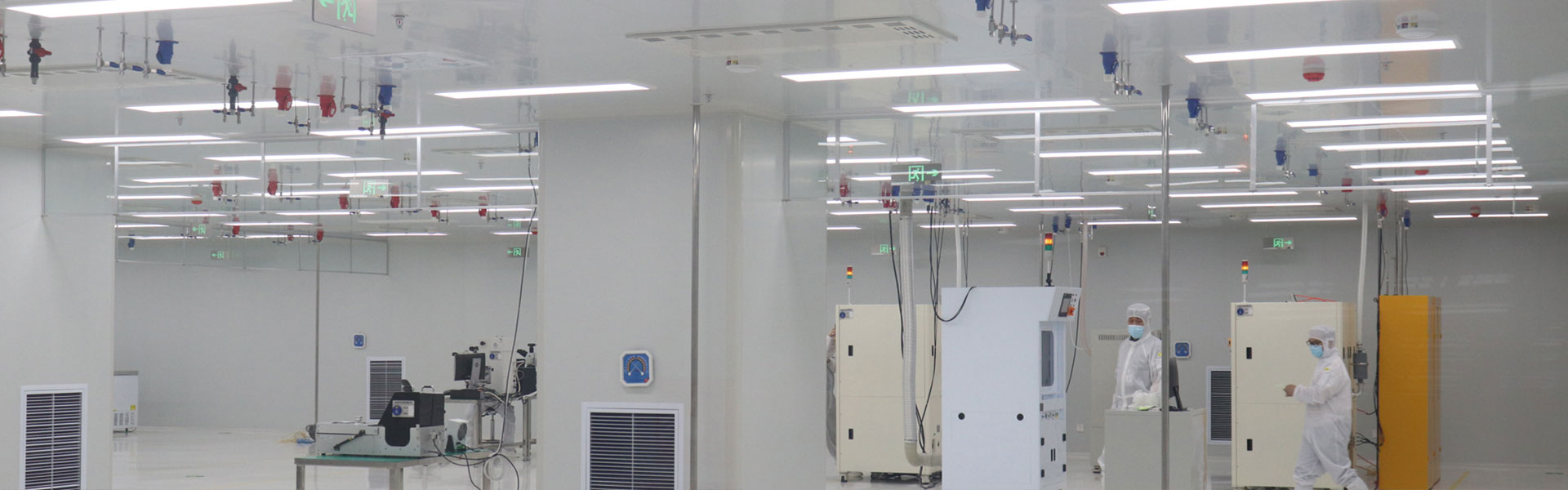
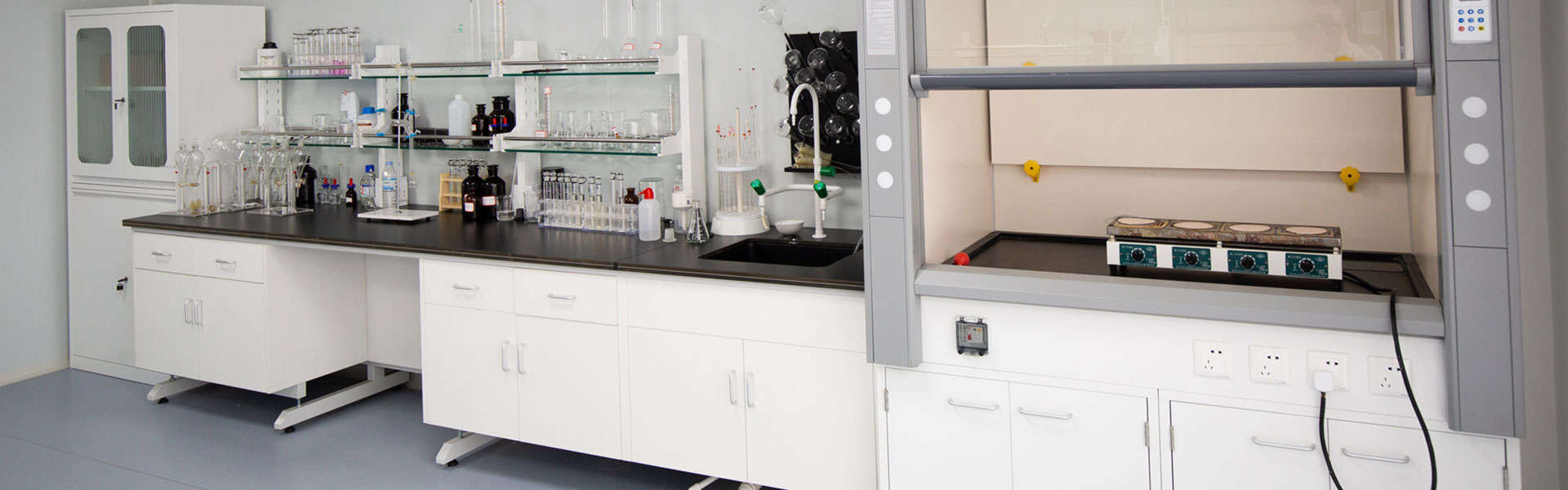

The rising demand for quality services has led to an increasing emphasis on cleanroom construction. A scientifically and cleanly designed overall space environment can effectively reduce the content of microorganisms in the air, providing a crucial guarantee for success.
1. Select construction teams that have undergone professional training
The construction of the cleanroom involves decoration, HVAC, and electrical work. Workers must have an understanding of the construction specifications, techniques, and quality standards for cleanrooms; otherwise, ensuring construction quality will be challenging.
2. Cleanroom Sealing Control Key Points
The key points of sealed control in clean rooms include the construction quality of the envelope structure, such as applying sealant evenly between panels to ensure tightness and no air leakage; the gaps between wall-mounted instrument cabinets and walls, outlets, switches, smoke detectors, lighting enclosures and strips, as well as viewing lights in the clean room, all require sealing with sealant. Moreover, reliable and effective sealing measures are also adopted between various pipelines and enclosures within the instrument cabinets.
3. Return Air Duct Quality Control
Sealing the return air system ductwork is crucial to prevent unclean air from entering the ducts and to block contaminated air within the ducts from escaping, thereby ensuring the cleanliness of the cleanroom and extending the lifespan of high-quality filters. During construction, the quality of pipe processing, pipe construction, and equipment installation should be strictly controlled.
Therefore, for purification installation companies, in order to achieve better operational effectiveness without disrupting production and work across various industries, it is necessary to ensure that these control projects are inspected. It is essential to confirm that these projects meet standard data prior to use, in order to proceed with greater efficiency.