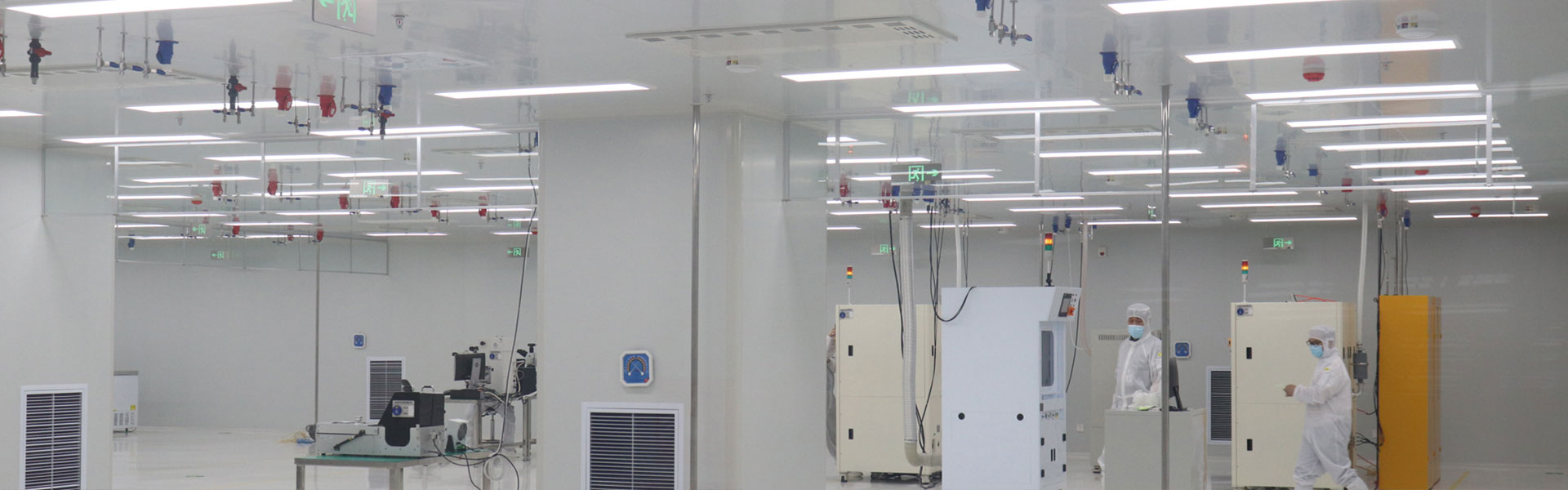
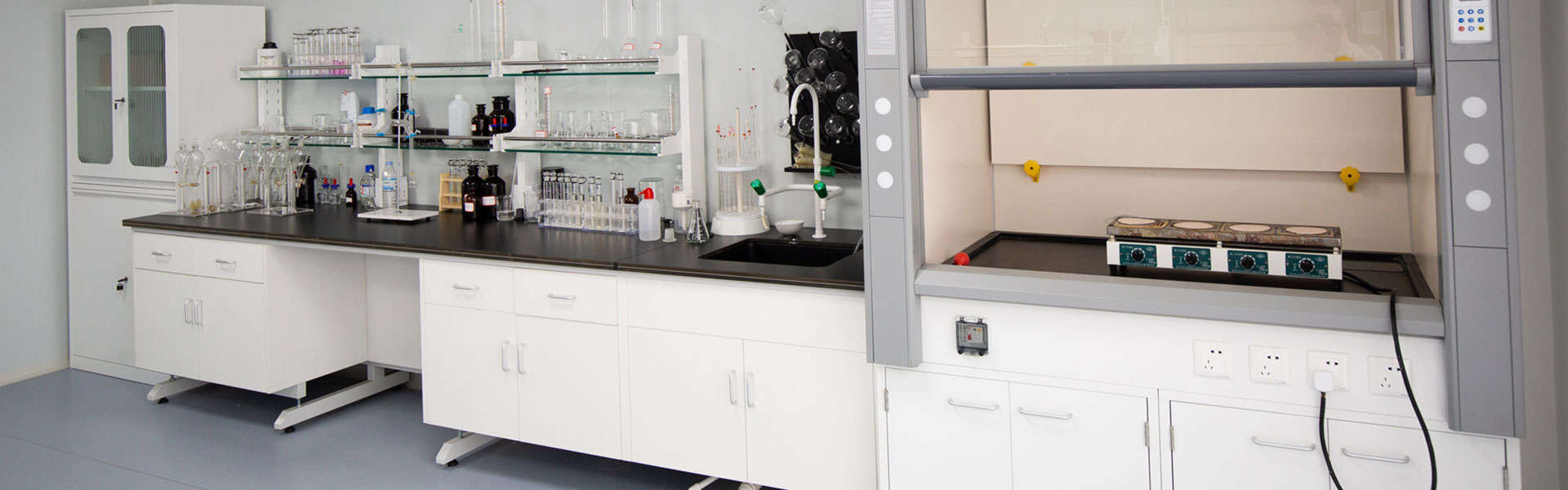

Cleanroom environments demand very high internal conditions, maintaining cleanliness within the space is of utmost importance, with identifying sources of contamination being a crucial task. In fact, part of the contamination in cleanrooms originates from the staff. How is this? Why do staff members become sources of contamination? Today, our editor will take you through this.
In our daily lives, the human body continuously emits various particles of dust. This includes some shed surface cells from the skin and pathogens from sneezes, which can easily impact the cleanliness of a cleanroom. What should workers in a cleanroom be aware of during their work? The specific precautions are as follows:
1. Upon entering the cleanroom, a air shower should be conducted. During work, all hair, including beards, should be fully covered with hair protection gear to prevent any hair fall from affecting product production.
2. In the workplace, staff should aim to minimize or avoid contact with equipment and products. Whenever possible, opt for an automated production process. If contact is unavoidable, hands should be thoroughly washed and gloves worn to prevent contamination of the equipment and products.
3. There is an abundance of viruses, bacteria, and particulates in the mouth and nose, so it's best to avoid shouting or speaking loudly in cleanrooms. Additionally, one should also try to minimize coughing and sneezing. If unavoidable, it's important to steer clear of the work area to prevent any impact on product production.
4. In our daily operations, staff members should not only regularly bathe in a tub or shower but also wash their hair regularly. Maintaining body cleanliness and minimizing the amount of dead skin is essential. Additionally, a thorough hand cleaning is required before entering each cleanroom. Hands that appear clean on the surface can actually be significant sources of contamination, transferring pollutants from one place to another. During the cleaning process, special attention should be paid to the nails, nail beds, and any cuts on the hands.
Employees working in high-cleanspace areas should maintain good health conditions. Avoid introducing viruses into the cleanroom, as this can disrupt the environment.
The above details the precautions that staff entering the cleanroom should be aware of. During daily operations, it is essential to understand these precautions and follow the relevant operational procedures to ensure the cleanliness of the company's production environment and the smooth flow of business operations.
The cleanroom engineering project encompasses three key phases: design, construction, and operational management. Quality originates from design, which is at the core. The construction of purification engineering differs from standard civil engineering, including protective structures (commonly referred to as "room within a room"); air conditioning and purification systems; power, automation, and low-voltage systems; pure water, special gases, and material supply systems; exhaust and wastewater treatment systems, along with related facilities. Operational management includes real-time monitoring, personnel training, equipment maintenance, to ensure that the controlled production and research environment consistently meets requirements. These three phases cover the three states of emptiness, static, and dynamics; environmental control also integrates risk assessment and production certification concepts and procedures; and the cross-industry, cross-disciplinary, and cross-specialty characteristics of cleanroom technology add to the complexity of the project. Therefore, for the cleanroom engineering industry, optimizing design, coordinating and managing the construction site environment, accumulating experience in engineering technical details, understanding and fulfilling customer needs, and being prepared and responsive to design changes are all important indicators of the cleanroom construction team's capabilities.