

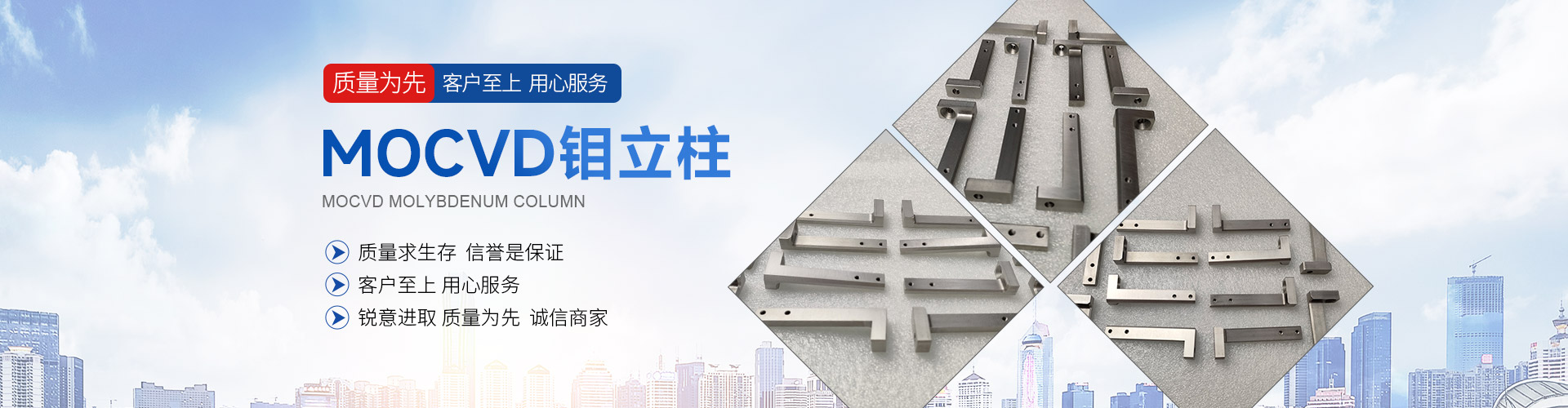

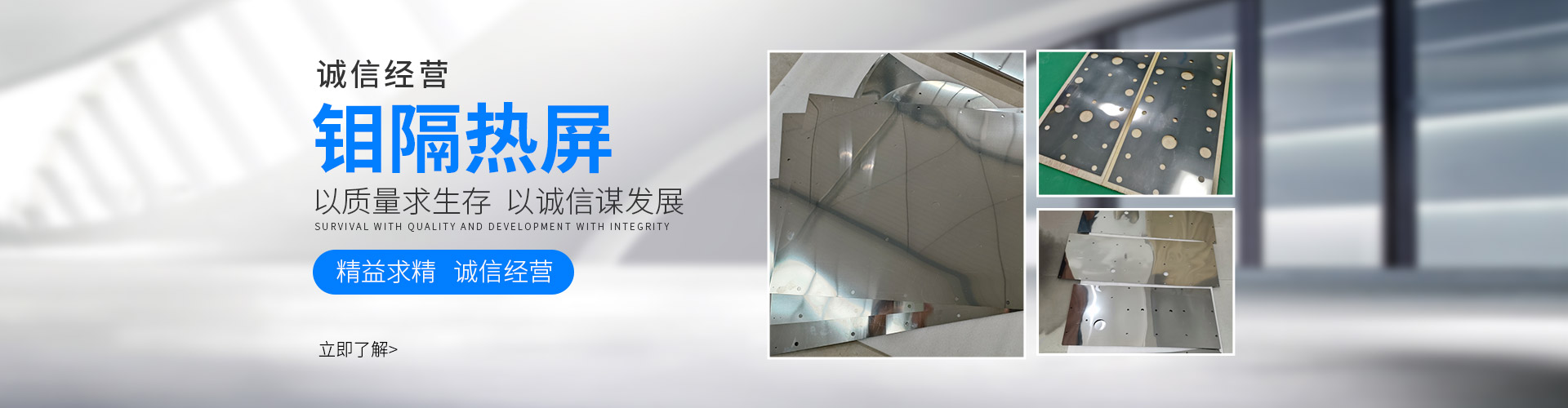


Baoji Bilong Metal Co., Ltd. produces and sells sheets, bars, wires, strips, foils, and deep-processed products such as crucibles, fasteners, vacuum furnace hearths and accessories (electrode rods, heating bands, insulating screens, connecting pieces, reinforcing plates), ion implantation parts, MOCVD, PVD, MBE equipment components, shielding parts, high-density alloy counterweights, target materials, boats, trays, etc. We offer customized processing of special-shaped parts according to customer drawings or samples. These products are widely used in fields such as aviation, aerospace, vacuum furnaces, special metals, special glass, machinery, electronics, chemicals, lighting, LED, semiconductors, and solar photovoltaic.
Bilong Metal will briefly introduce the basic principles, application fields, classifications, challenges, and future development of evaporation coating technology in this article, hoping it will be helpful to you.
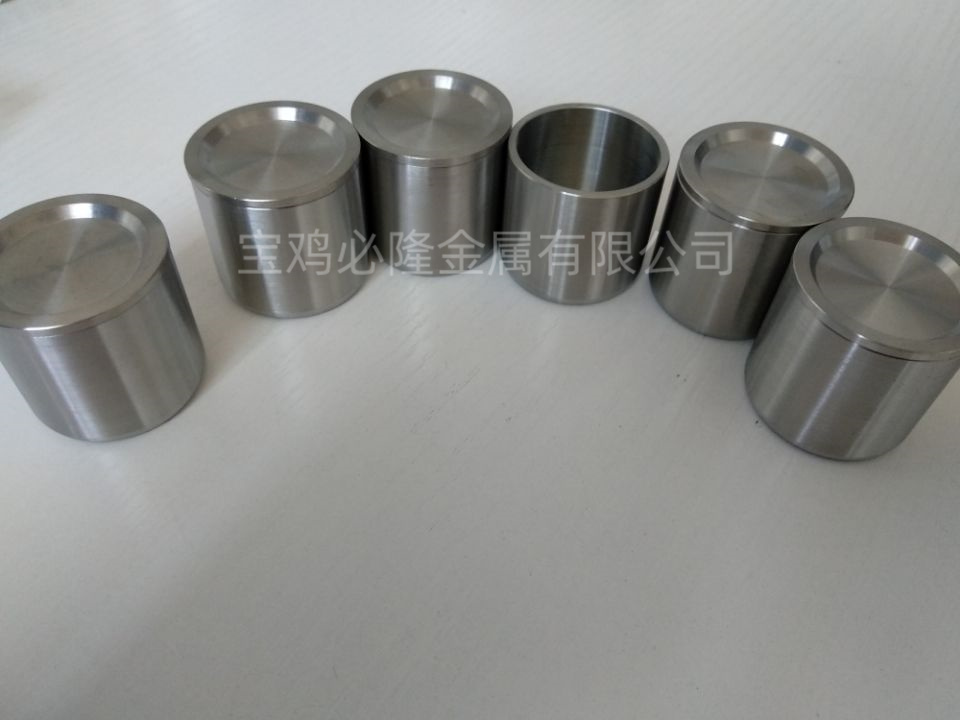
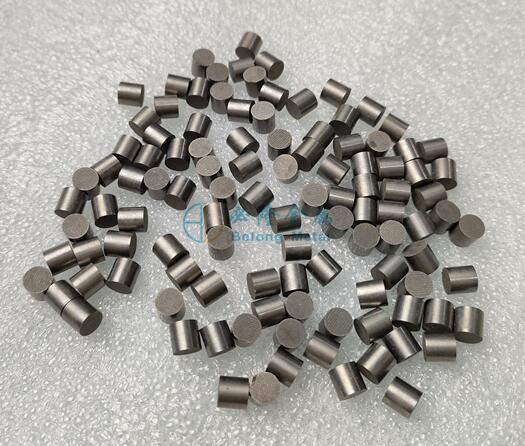
Evaporation coating is a widely-used surface treatment technology across various industrial sectors. It involves evaporating materials and depositing them onto a substrate to form a thin film, thereby altering the surface properties of the material.
The Principle of Evaporation Coating
The evaporation coating technology is primarily based on the principle of Physical Vapor Deposition (PVD). The basic process involves several steps:
Material Heating: Heat the material to be coated (typically metal or alloy) to the evaporation temperature.
2. Evaporation: Materials evaporate into gaseous atoms or molecules under high temperatures.
3. Transmission: Evaporated atoms or molecules are transmitted to the substrate surface within the vacuum chamber.
4. Deposition: Gas-phase atoms or molecules condense on the substrate surface to form a film.
Application of Evaporation Coating
Evaporation coating technology has a wide range of applications across various fields, including:
Optics Field: Used for manufacturing mirrors, antireflective coatings, and more.
2. Electronics Sector: Manufacturing for semiconductor devices, such as solar cells and field-effect transistors.
3. In the mechanical field: Enhances the wear and corrosion resistance of parts.
4. Decorative Field: Used for metal surface coating, enhancing the product's appearance quality.
Section 3: Classification of Evaporation Coating Technology
Based on the different evaporation sources, evaporation coating technology can be divided into the following types:
Resistor Heating Evaporation: Uses a resistor heater to heat the material to its evaporation temperature.
2. Electron Beam Evaporation: Utilizing an electron beam to strike the material, generating high temperatures that cause evaporation.
3. Laser Ablation: A process where a laser beam is used to heat and evaporate a material locally.
Challenge and Future Development of Evaporation Coating Technology
Despite its widespread application in various fields, vacuum evaporation coating technology still faces some challenges:
Cost Issue: The acquisition and maintenance costs for high-vacuum equipment are high.
2. Film Quality: Uniformity and adhesion of the film still need improvement.
3. Environmental Impact: Harmful gases may be produced during the evaporation process, and environmental protection measures must be implemented.
In the realm of future development, researchers are actively working on developing new evaporation materials, enhancing evaporation equipment, and improving film performance to meet the ever-growing industrial demand.
Conclusion:
Evaporation coating technology, as a significant surface treatment technique, plays a crucial role in various fields. With the continuous advancement of technology, evaporation coating technology is expected to achieve more breakthroughs in the future, contributing even more to the development of human society.
