

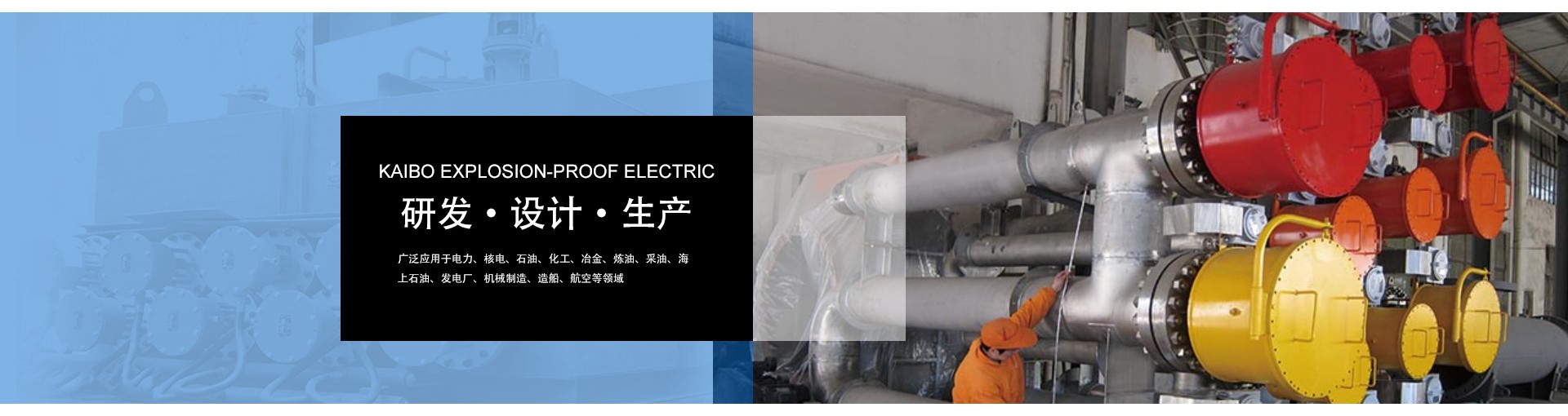
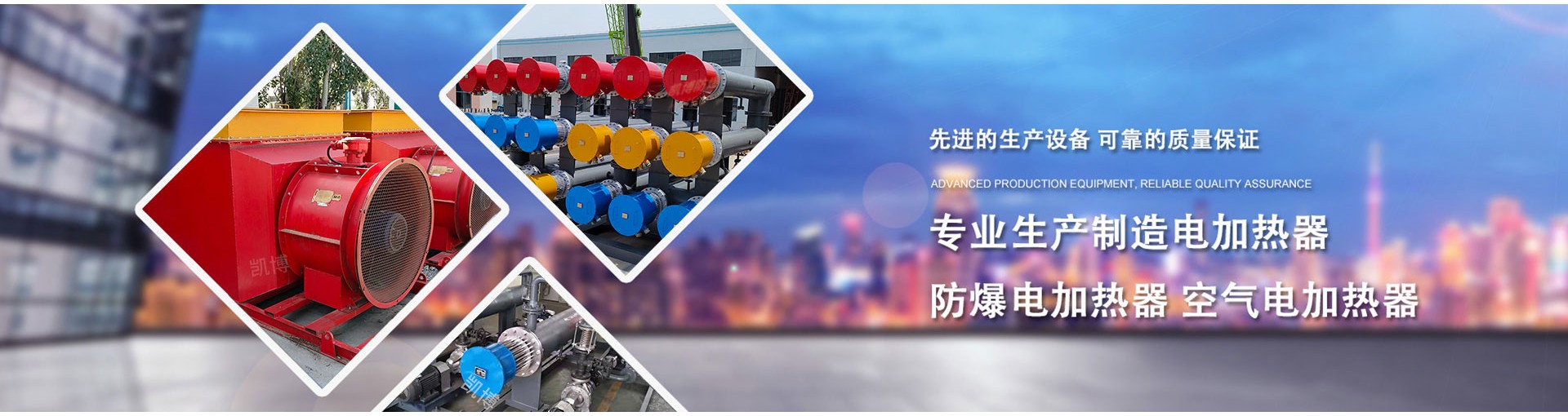

A thermal oil electric heater is a new, safe, and highly efficient energy-saving industrial furnace that operates at low pressure (under atmospheric pressure or lower pressure) and can provide high-temperature heat energy. It uses thermal oil as the heat carrier, circulated by a thermal oil pump, to transfer heat to the heat-using equipment.
The electrically heated thermal oil heating system is composed of an explosion-proof electric heater, an organic thermal carrier furnace, an exchanger (if applicable), a site explosion-proof control box, thermal oil pump, expansion tank, and more, forming a modular unit. Users simply need to connect the power supply, inlet and outlet pipes for the medium, and some electrical interfaces to start using it.
The heat for the thermal oil heater is generated and transmitted by electric heating elements immersed in the thermal oil. Using the thermal oil as the medium and a circulating pump, the thermal oil is forced to circulate in the liquid phase, transferring heat to one or more heat-using devices. After the heat is unloaded by the heat-using devices, it returns through the circulating pump to the heater, where it absorbs more heat and then transfers it to the heat-using devices again. This cycle continues, achieving a continuous transfer of heat and raising the temperature of the heated objects to meet the heating process requirements.
An organic heat carrier boiler is a new type of special boiler that uses a heat-conducting fluid as the heating medium, featuring low-pressure and high-temperature operation. With the development of industrial production and the advancement of science and technology, organic heat carrier boilers have seen continuous growth and application. Although the working pressure of organic heat carrier boilers is relatively low, the temperature of the heat-conducting fluid inside the boiler is high, and most of them are flammable and explosive. In the event of a leak during operation, it could lead to fires, explosions, and even cause injuries and property damage. Therefore, great emphasis must be placed on the safe operation and management of organic heat carrier boilers.
Thermal oil heater system pipeline layout should be designed with a low inlet and high outlet arrangement, and efforts should be made to minimize pipeline bends to ensure smooth flow. The diameters of various pipelines in the system should be as consistent as possible with the inlet and outlet diameters of the oil heater's main unit. Insulation measures should be taken for the pipes, but insulation material should not be applied to the flange connections. For heating systems with temperatures exceeding 120°C, it is recommended to install a short-circuit circulation. For environments where heating cannot be easily stopped mid-process, it is suggested to equip with a standby oil pump.
Setting up a filter in a thermal oil heater is primarily to prevent larger solid particles from entering the high-temperature oil pump within the pipeline. During installation, it is crucial to inspect the filter and perform regular cleaning to significantly enhance the lifespan of the thermal oil and the equipment.
Cautionary Notice.
1. Running heat elements and high-temperature oil pumps without oil, low oil, or at temperatures exceeding the allowable operating temperature for the thermal oil.
2. Should you discover inconsistent or low pressure, it is essential to conduct a thorough inspection and address the issue promptly to prevent damage to heating equipment.
3. The entire system must be leak-proof; any leaks found should be addressed promptly. The flash point of the heat transfer oil is generally between 130-190°C, so appropriate firefighting equipment should be available on-site.
4. The equipment startup procedure is to first start the pump, then heat. The shutdown procedure is to first stop heating, then stop the pump.
During the manufacturing, transportation, and installation process, new boilers accumulate oxides or other contaminants on the inner walls of their pipes, leading to surface erosion and damage upon the boiler's initial operation.
The internal rust and erosion products formed during the manufacturing, transportation, and installation of the pipeline are all thoroughly cleaned. After the necessary inspections are completed, the boiler can be prepared for normal operation. If alkali or soda ash must be used, the superheater must be filled with condensate water, and the superheater outlet must be sealed during the boiling process. This intermittent combustion continues until the required boiling pressure is achieved, then extend the distance between burns to allow pressure to decay, but the uniform interval time cannot exceed four hours. Similarly, during the alkaline wash, pumps and other equipment that may be damaged by the alkaline solution or eroded by suspended particles washed off should be bypassed or the internal components removed. During the operation, the isolation of these branches and lateral lines (such as drain-off outlets, vent openings, instrument joints, etc.) or parallel paths (such as bypass pipes) should be considered to ensure a thorough cleaning of the system.
The thermal cleaning process of the boiler body is analogous to the ignition and heating-up process of a boiler in a department, thus a series of pre-startup preparations should be carried out on the boiler beforehand. After verifying that the boiler meets the pre-startup conditions, the boiler's boiling operation can proceed. To remove the accumulated oil on the inner surface of the steam drum, continuous blowdown of the steam drum should be selected. The flushing should start from the condenser well, gradually passing through the condensate and feedwater systems until reaching the boiler inlet. The flushing in each department should continue until the wastewater becomes clear, usually with water samples collected at certain outlets to confirm the end of flushing. After the acid discharge, operate the boiler feedwater pump to fill the boiler with 1 ton of water from the economizer to prevent leakage from the feedwater cutoff valve. If the feedwater heater shell and tube side have already been treated with a petroleum-based corrosion inhibitor that cannot be removed with hot condensate water, the system should be subjected to two-stage alkaline cleaning.
The thermal oil furnace explosion-proof heater is an integrated system composed of a fluid electric heater, thermal oil pump, pipeline connection accessories, physical quantity sensors, and an automated electric heating device. It indirectly heats the medium or equipment by utilizing the heat transfer of thermal medium, such as thermal oil (or water), and drives the heat medium circulation with the oil pump to achieve the heating temperature required for production, making it an ideal upgrade for conventional boilers.
