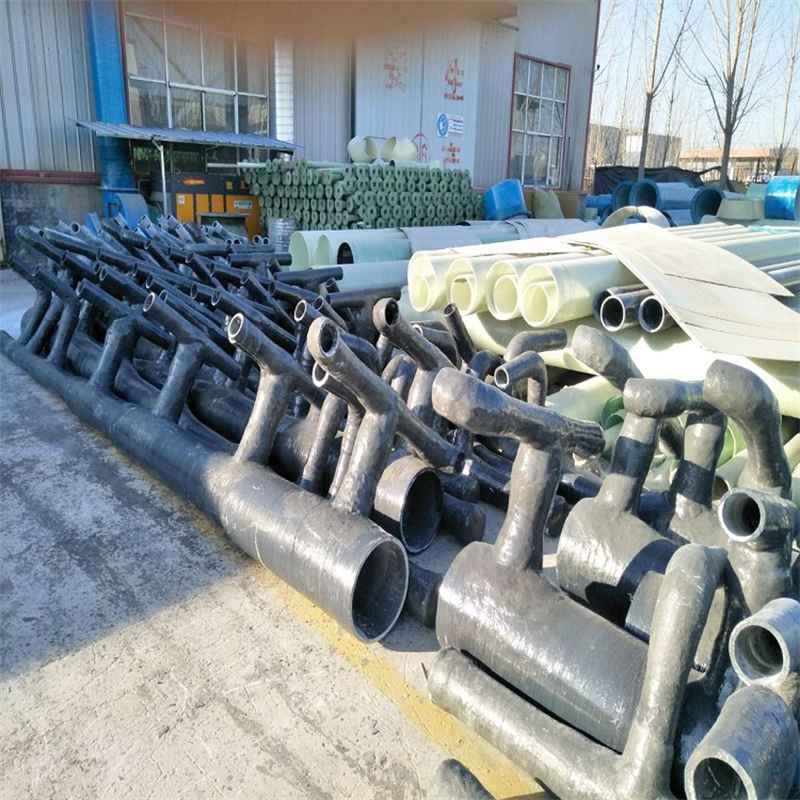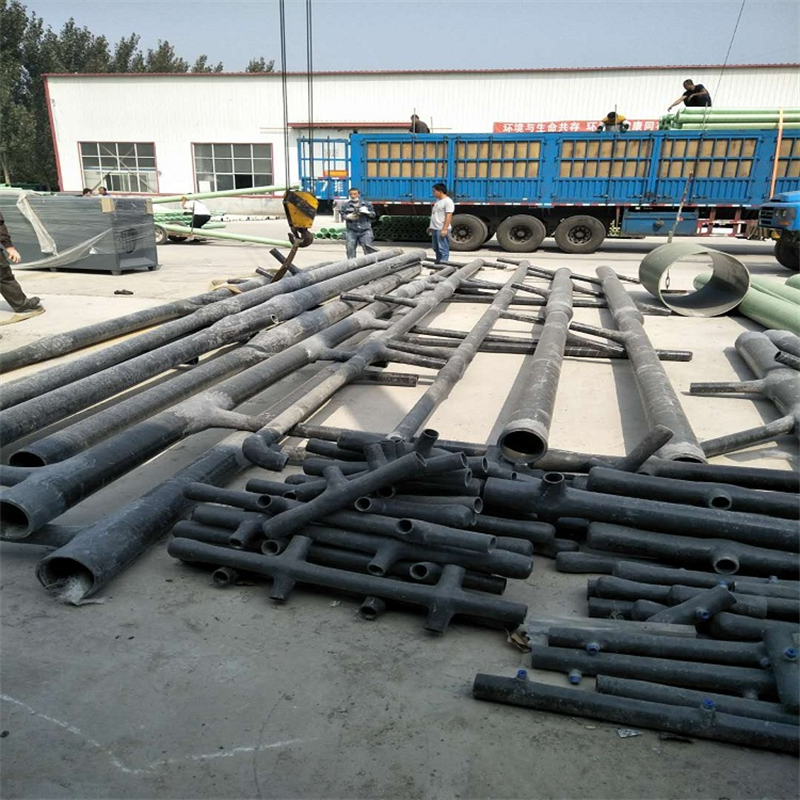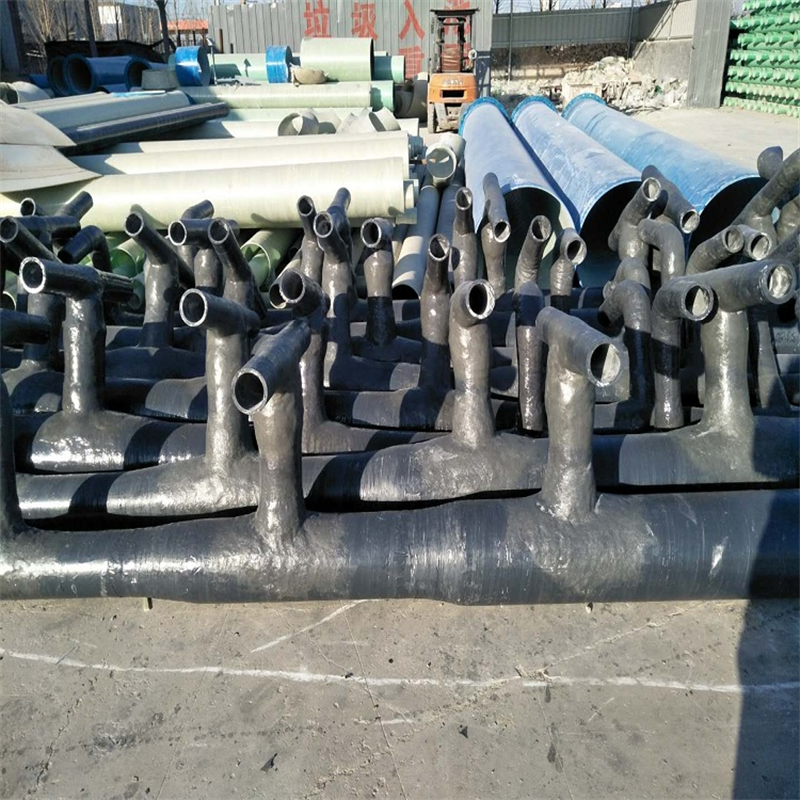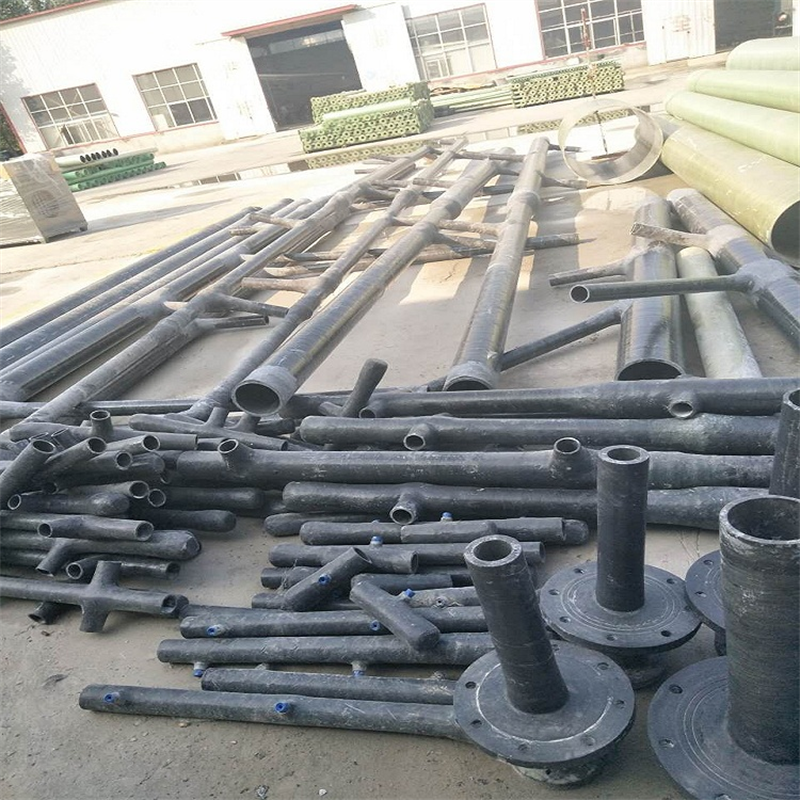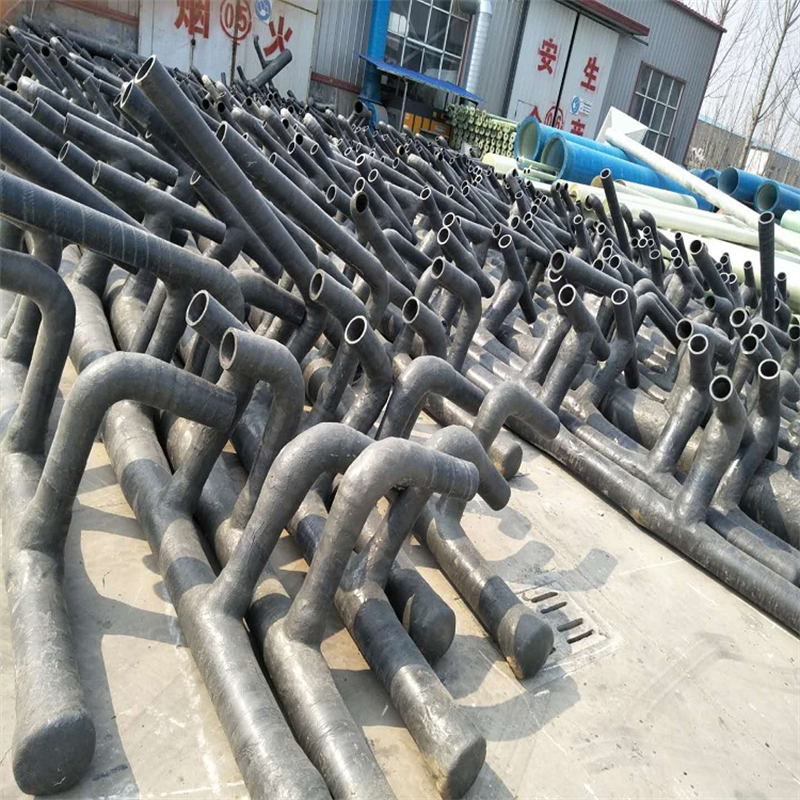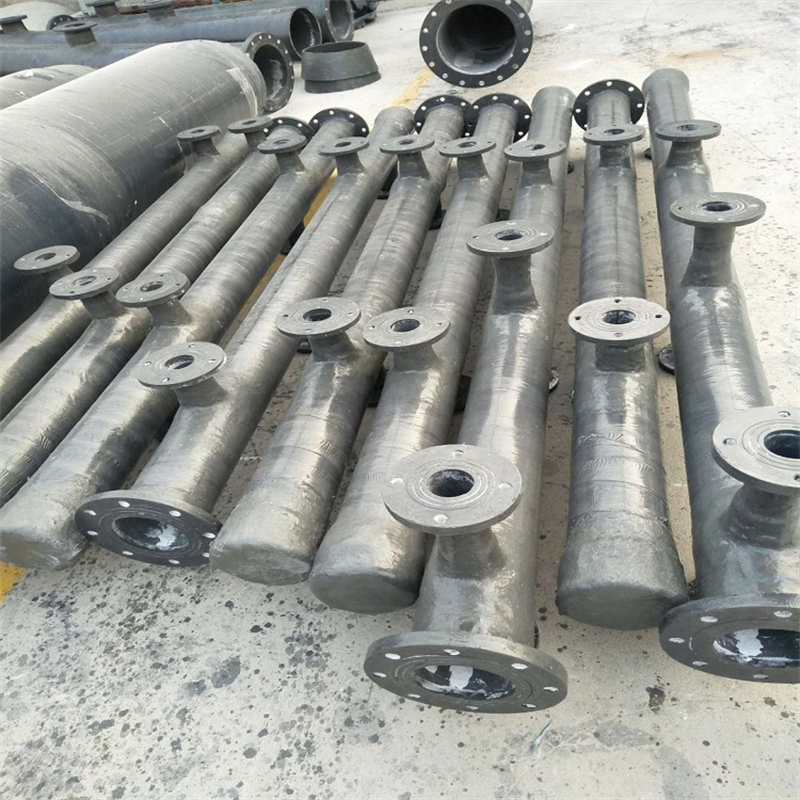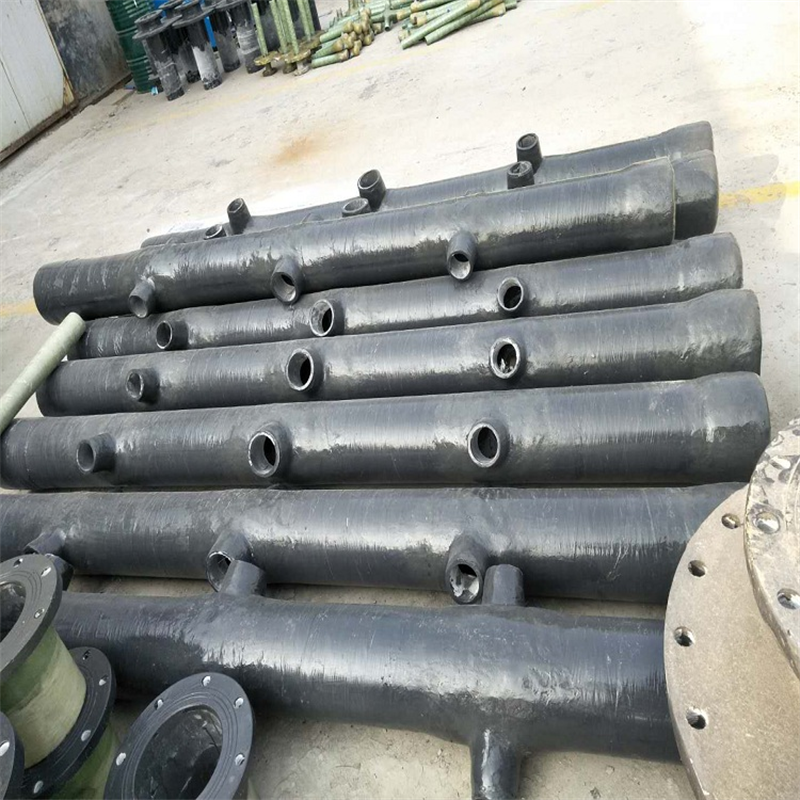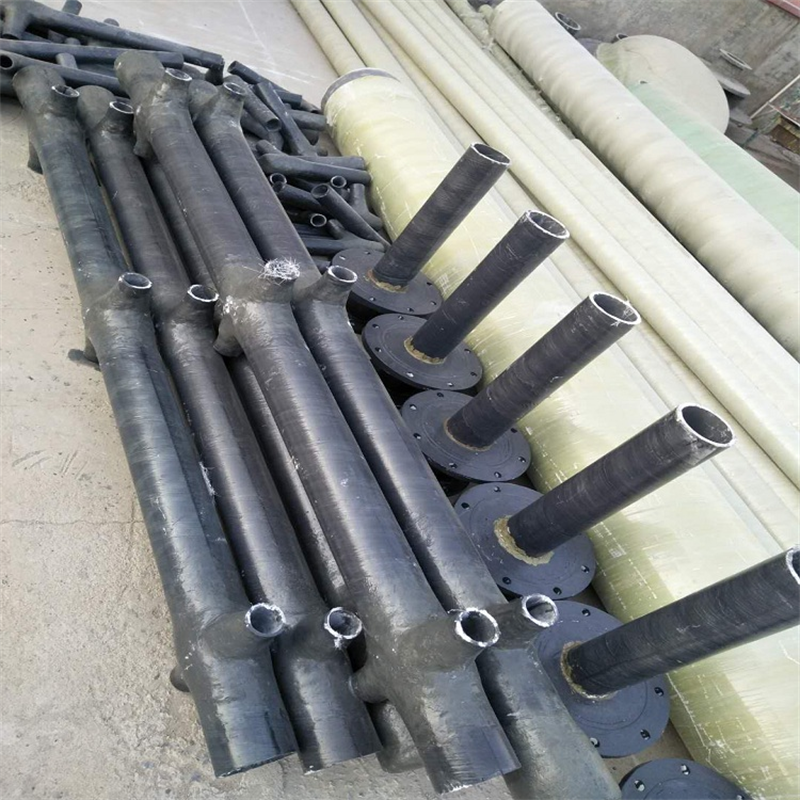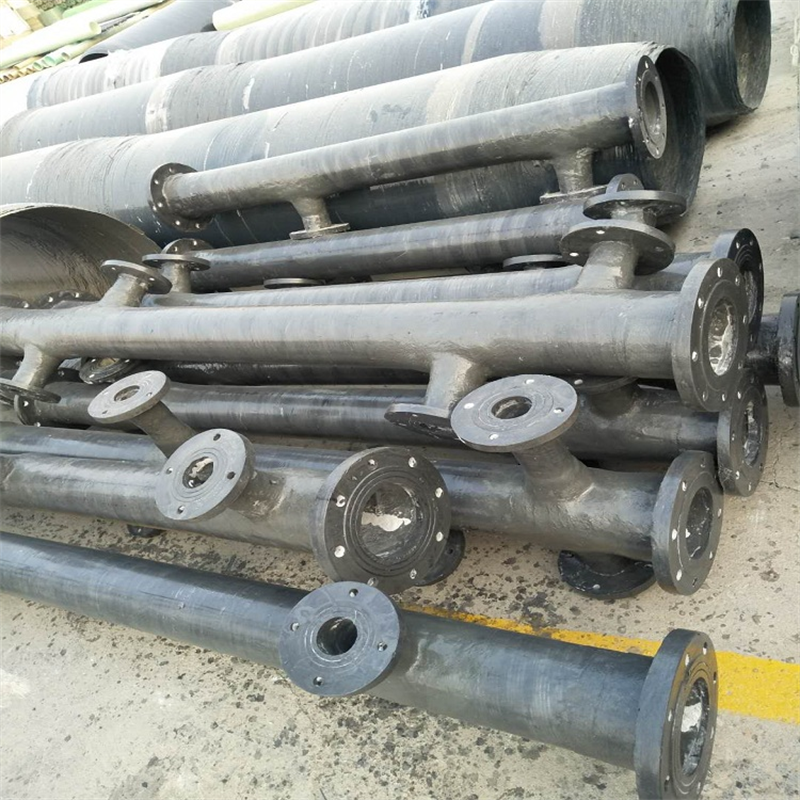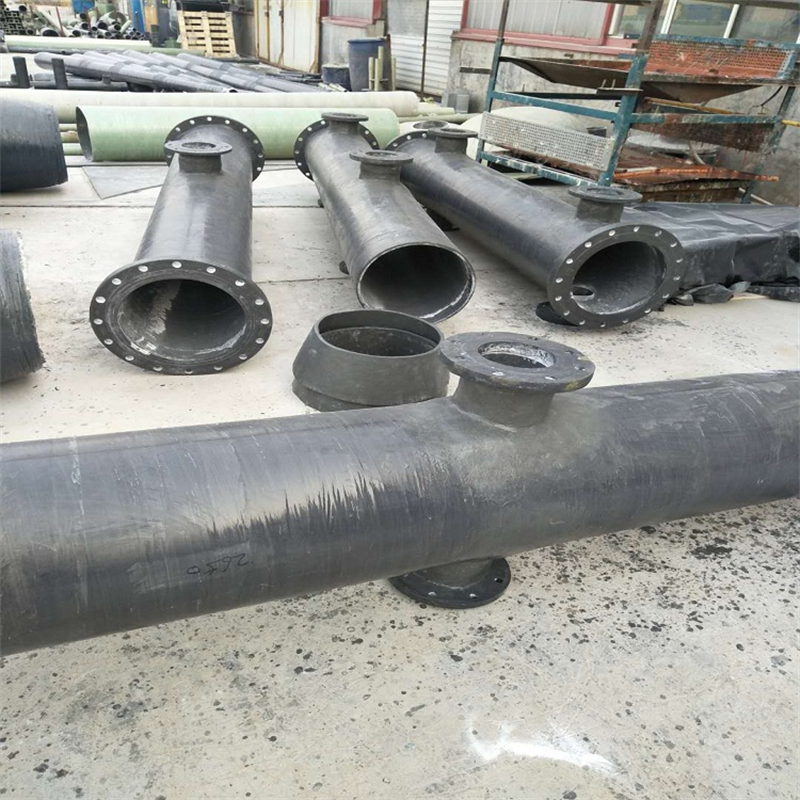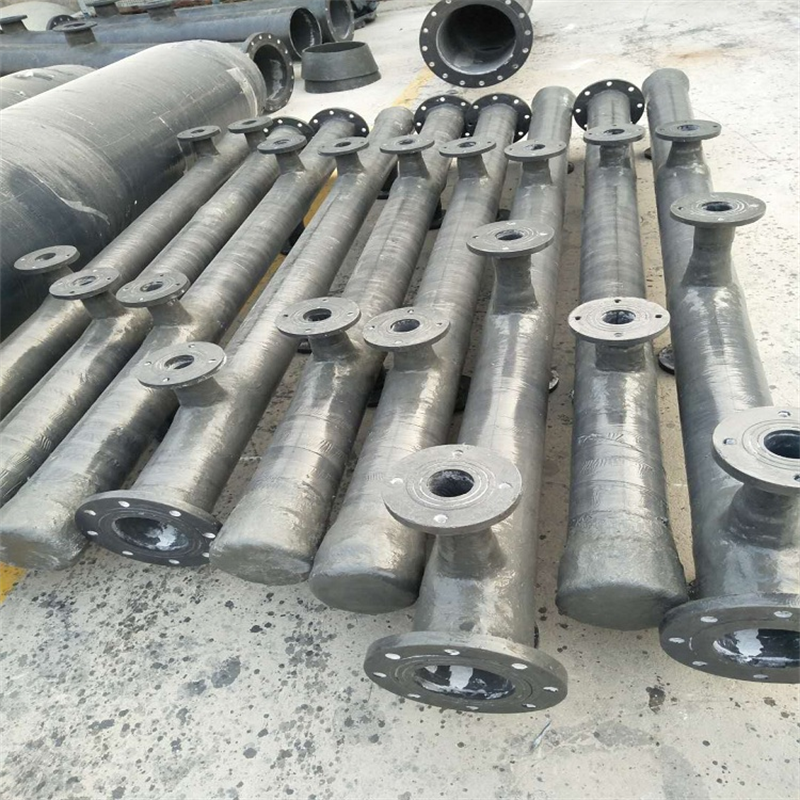
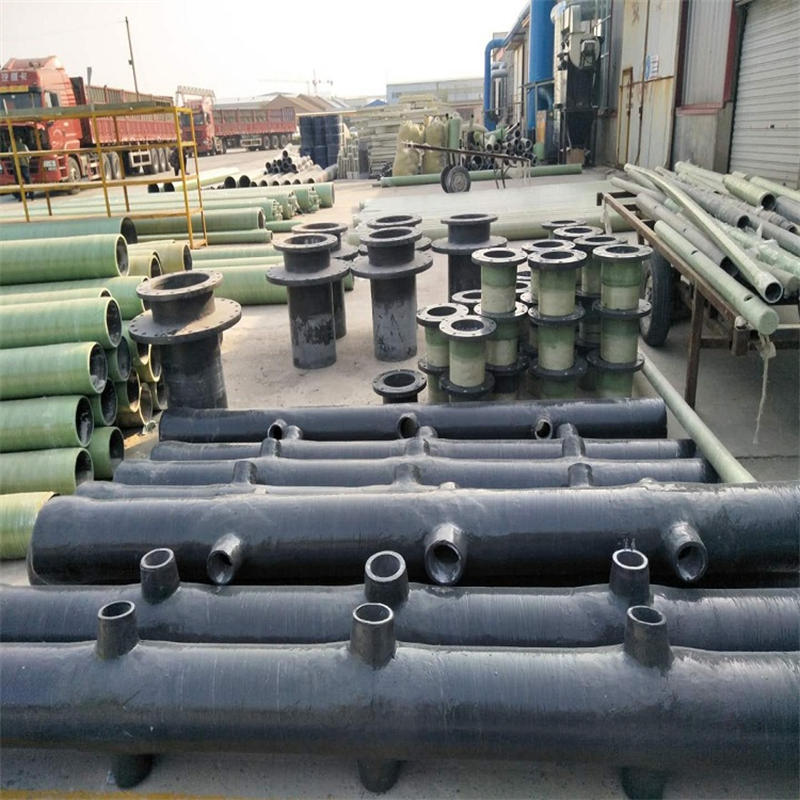

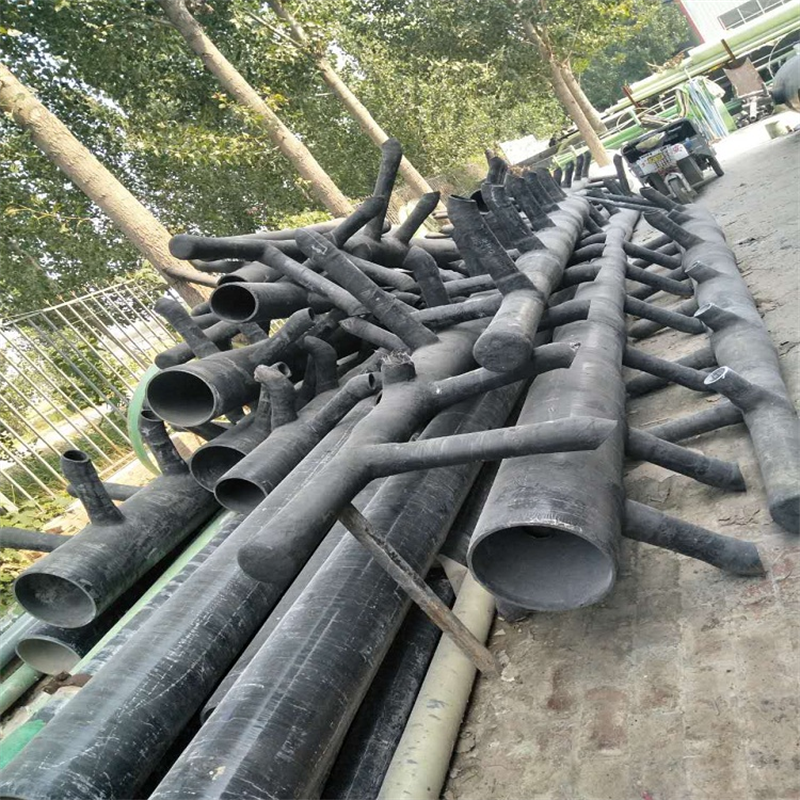

The spray layer is generally set at 2-5 levels, with each level spaced approximately 2 meters apart, based on specific requirements such as the entry SO2 concentration and desulfurization efficiency. Currently, most spray towers use a unitary design, where one circulating pump corresponds to one spray layer. Nozzles come in various types, such as tangential, axial, and bidirectional nozzles. The connection methods for nozzles include threaded connections, flange connections, and adhesives, with threaded and adhesive connections being the most common. To facilitate daily maintenance, the majority of desulfurization tower spray layers now use silicon carbide vortex nozzles. These nozzles are not prone to clogging, allowing for the passage of large particle matter; they also have oxidation resistance, working effectively in various environments, and have a long service life. Nozzles made of silicon carbide are characterized by high surface precision, strength, corrosion and wear resistance; under wide flow rates and pressure, the silicon carbide vortex nozzles produce fine water mist droplets with even distribution.