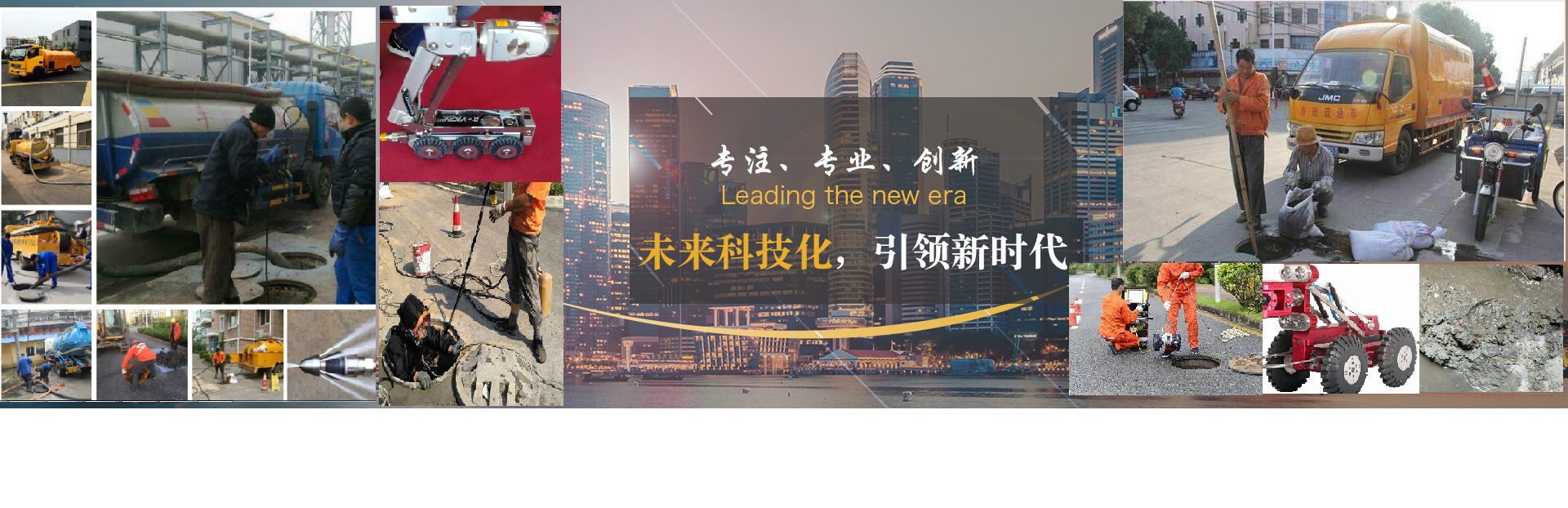

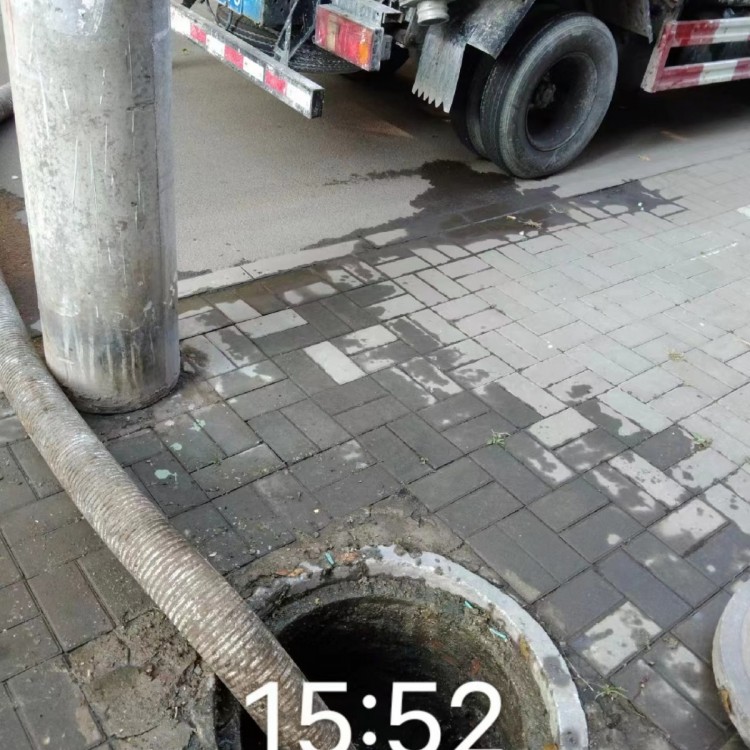
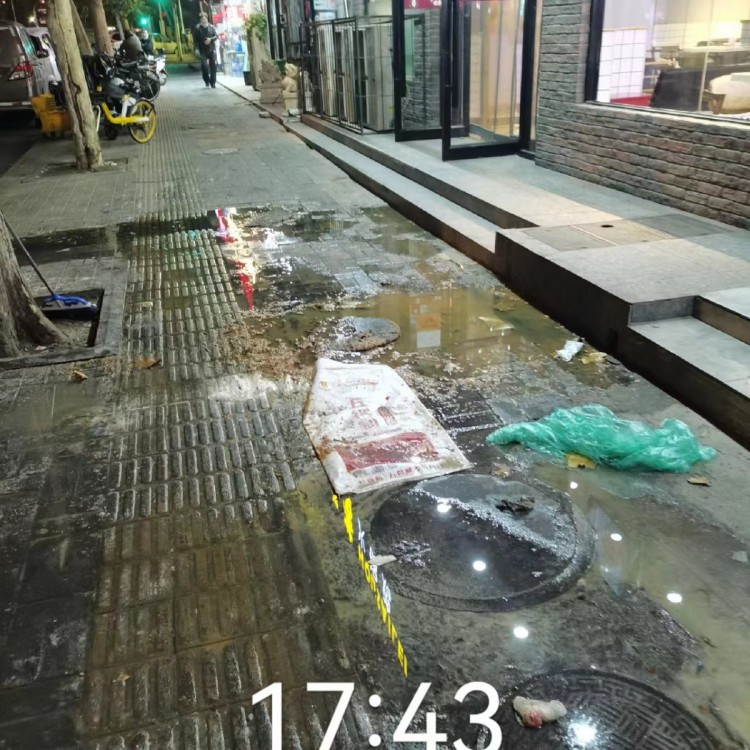
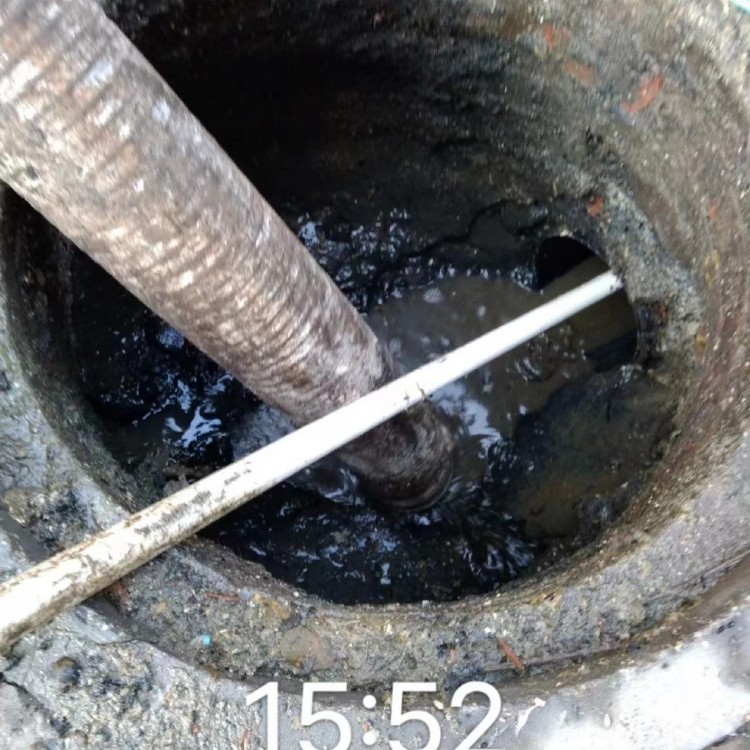
To ensure that the stream dredging work does not impact the surrounding environment, thorough cleaning and maintenance should be conducted during the process. Man-made waste and other debris must be completely removed, with a designated person in charge. Several laborers are assigned to each construction section to protect the existing facilities of the stream, lay straw mats on the mud-scooped areas, and only allow trucks to proceed after their wheels and bodies have been cleaned to maintain the cleanliness of the scenic area. ??III. Safety Measures ??Barriers and warning signs are set up at major traffic exits, with designated personnel on duty to organize traffic flow. Adequate lighting and safety red lights are provided in the construction sections, and safety education is conducted for drivers, emphasizing adherence to traffic safety regulations and a strict ban on driving under the influence of alcohol.
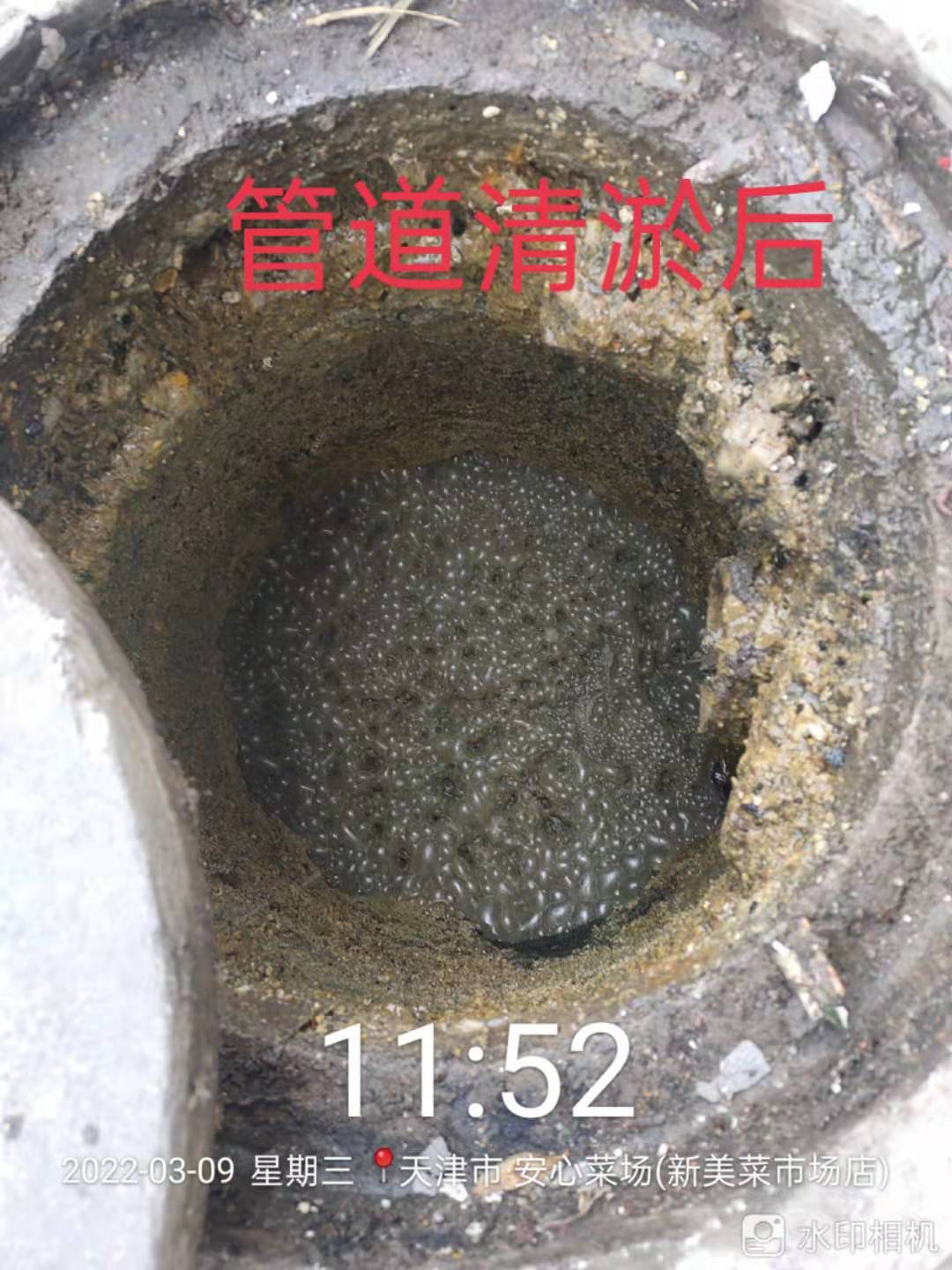
All septic tank lids are made of reinforced concrete, with a thickness of 5cm. The lids of the tanks must have openings for the toilet bowl and the outlet for fecal sludge. The lid of the second tank should also have an opening for easy removal of sludge and clearing of the fecal pipe. The lid of the third tank should have an outlet for fecal matter, facilitating its discharge. Each opening must have a pre-fabricated small cover. When installing the large lid, seal it with cement sand mortar, ensure the lid is tightly closed to prevent rainwater from entering, and guarantee the tank is sealed for fermentation. Installation of the fecal pipe and toilet bowl: Insert a feeding pipe with a diameter of 10cm and a length of 30-50cm into the opening of the tank lid, secure it to the lid, and fit the squat (sitting) toilet bowl over the feeding pipe, securing the toilet bowl and making a slight seal.