





Traffic signs we see in daily life are highly applicable, whether on highways or railways. Generally, traffic signs are divided into two main categories: general traffic signs and major traffic signs, both of which play a crucial role in road maintenance and safe driving. With clear and explicit signage, people are guided very distinctly. Traffic sign manufacturers not only ensure the safety of pedestrians and vehicles during travel but also enhance the overall traffic efficiency of the road, reducing the occurrence of traffic accidents. Additionally, traffic signs serve as a reference for resolving some traffic disputes.
Daily maintenance and care for traffic signboards
Traffic signs must be regularly inspected for any signs or posts placed on highways. If deformation, damage, contamination, or corrosion is found, they must be cleaned, repaired, or replaced promptly. It is also necessary to check traffic signs promptly in the event of natural disasters such as heavy rain, floods, or earthquakes to ensure they are not destroyed or corroded.
Then, traffic signs were set up in remote areas, which made it easy for weeds to grow. Therefore, it is necessary to regularly inspect and clear the nearby weeds to prevent climbing vines from climbing onto the traffic signs. Additionally, it is still essential to remove trees blocking the signs to ensure drivers and pedestrians can see the traffic signs.
In addition to promptly cleaning off the pollution from traffic signs, it's essential to regularly apply anti-corrosion treatments to the surface to prevent rust caused by prolonged exposure to various natural corrosive agents outdoors. Areas with rust should be treated accordingly. If extensive damage has occurred, timely replacement is required.
During the final inspection, if any damage or looseness in the connecting components of traffic sign boards is found, they must be promptly supplemented and secured to prevent accidental collapse.
The primary function of traffic signs:
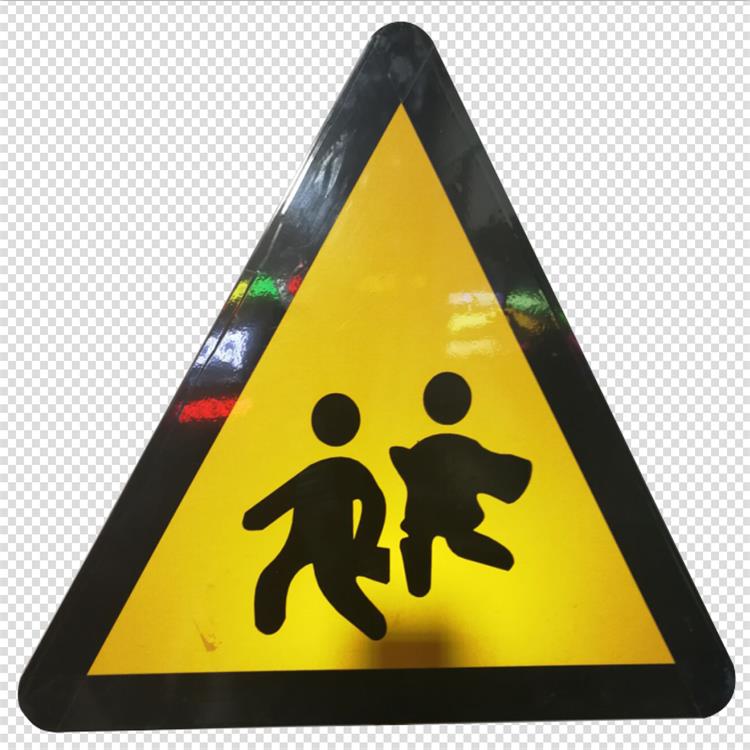
1. Warning signs are symbols used to alert vehicles and pedestrians to hazardous locations.
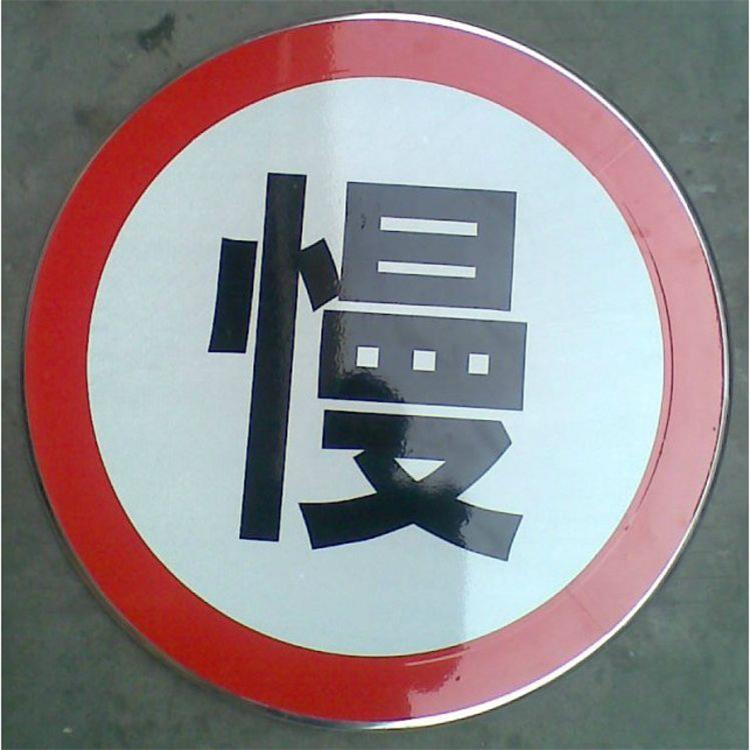
2. Prohibition signs are symbols that prohibit or restrict traffic behaviors of vehicles and pedestrians.
3. Directional signs indicate the movement of vehicles and pedestrians.
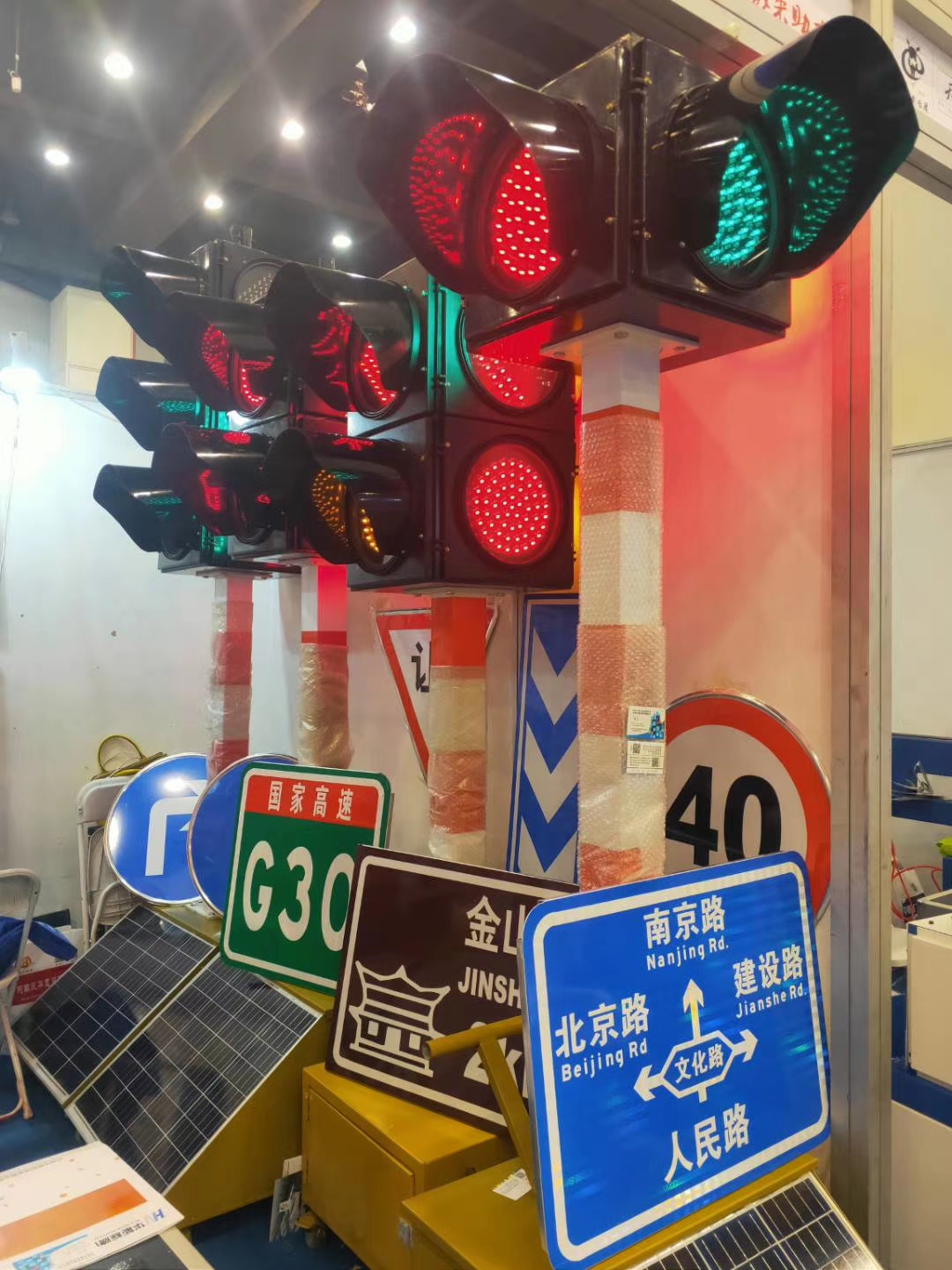
4. Traffic sign directional indicators are used to convey information about directions, locations, and distances.
Amid the surge of social信息化, the level of informatization in the transportation industry is soaring as well. Digital billboards, known as the "fifth medium," naturally have become a platform for information dissemination. From providing airport information to giving prompts at bus stops, digital billboards have become a link between transportation departments and passengers, especially as human-machine interaction models continue to mature, making this function even more prominent. For instance, in airport applications, digital billboards not only convey routine information like weather and flight schedules to passengers in a timely manner but also allow users to quickly access guiding information through simple touch queries on automated terminals, achieving a two-way increase in efficiency between the airport and passengers. Currently, the vertical applications of digital billboards are concentrated in retail, corporate, transportation, banking, schools, and institutions. In terms of potential market size, globally, the retail industry is undoubtedly the leader, with just 18 million retail stores in China alone. However, due to the strong subjectivity of this market, the application objects have limited funds and scale, resulting in limited expansion in markets with high digital billboard penetration rates. The Chinese market, in a transitional phase, is nearly blank in this aspect. In contrast, the market development in the transportation industry faces much less resistance and is more mature. Generally speaking, the construction of the transportation industry is led by departments, which not only have strong planning and execution capabilities but also robust financial support, thus clearing any concerns for the digital billboard system.

Manufacturing Process for Road Traffic Signs
Traffic signs are commonly composed of several parts, including the base plate, sign face, post, fasteners, and foundation. Material processing description of the signboard: The material uses aluminum alloy plate, engineering grade or high-strength reflective film, which offers excellent reflective performance at night. According to national standard dimensions, the aluminum plate and reflective film are cut (square, circular).
Clean aluminum sheets, abrade the surface with a white cleaning cloth to create a rough texture, rinse with water, and then dry. Use a hydraulic press to apply the reflective film to the cleaned aluminum sheets for storage. Arrange the design and text on the computer, and then use a computer engraving machine to directly create the design and text on the reflective film. Apply the engraved pattern and screen-printed pattern to the aluminum sheet with the adhesive scraper to form the final product.
Signage is installed at appropriate locations for import/export and parking areas, as well as on roads, to guide vehicles to drive correctly. Traffic signs include prohibition signs, directional signs, and other signs. Warning Signs: Warn vehicles and pedestrians to be aware of road hazards ahead. Traffic Road Sign Boards Traffic Road Sign Boards Prohibition Signs: Signs that prohibit or restrict certain traffic behaviors of vehicles and pedestrians.
Directional Signs: Indicators for vehicle and pedestrian movement. Guide Signs: Signs conveying road direction, location, and intervals. Tourist Area Signs: Signs providing directions and intervals to tourist attractions. Road Construction Safety Signs: Signs notifying of roadwork and safe passage. Speed Limit Signs: Signs warning drivers to reduce speed.
Our company has long emphasized product quality, adhering to the principle that "quality is the life of a business." Due to our reliable quality, reasonable prices, and attentive service, we have gained a wide market. In recent years, with the development and research of transportation, and by listening to our customers' feedback, we have continuously grown and strengthened our competitive position in the market.
