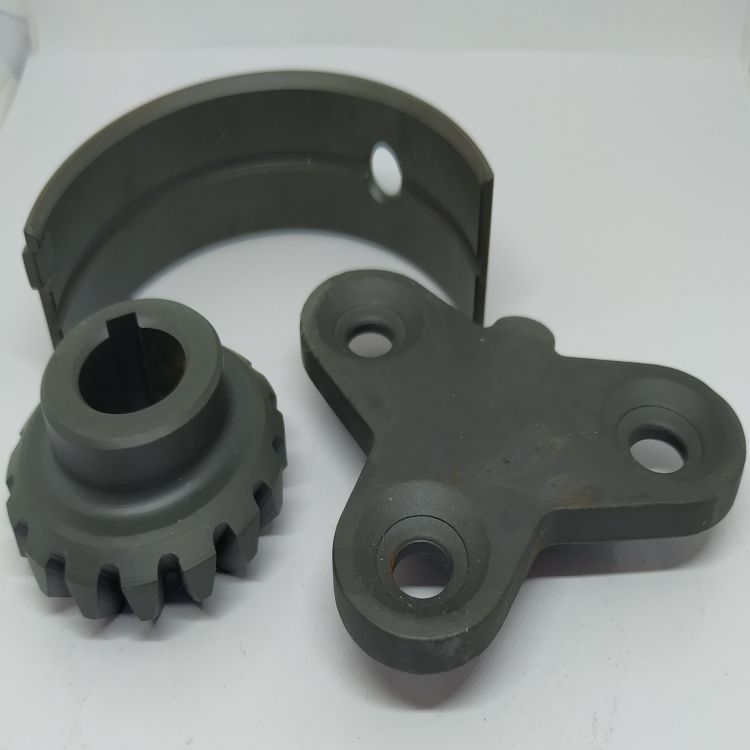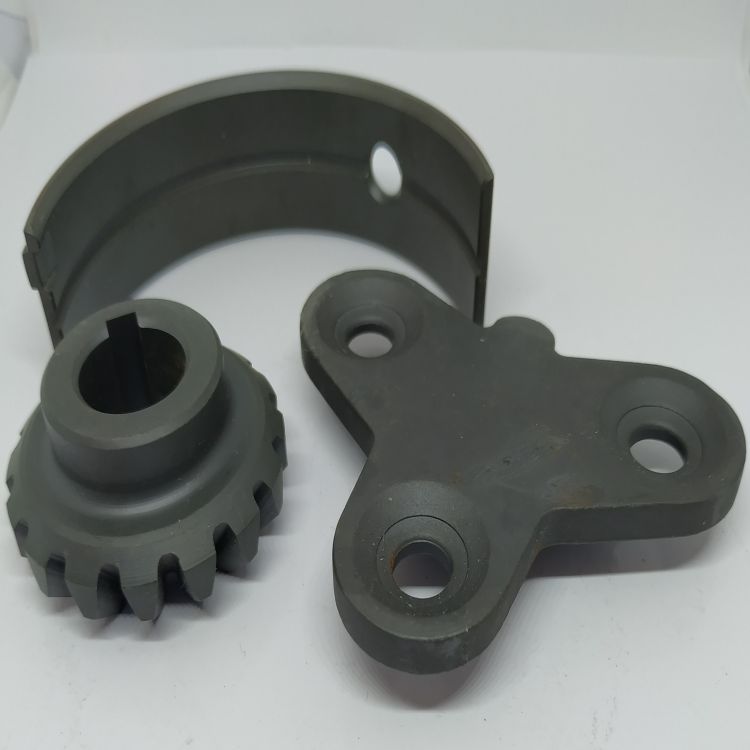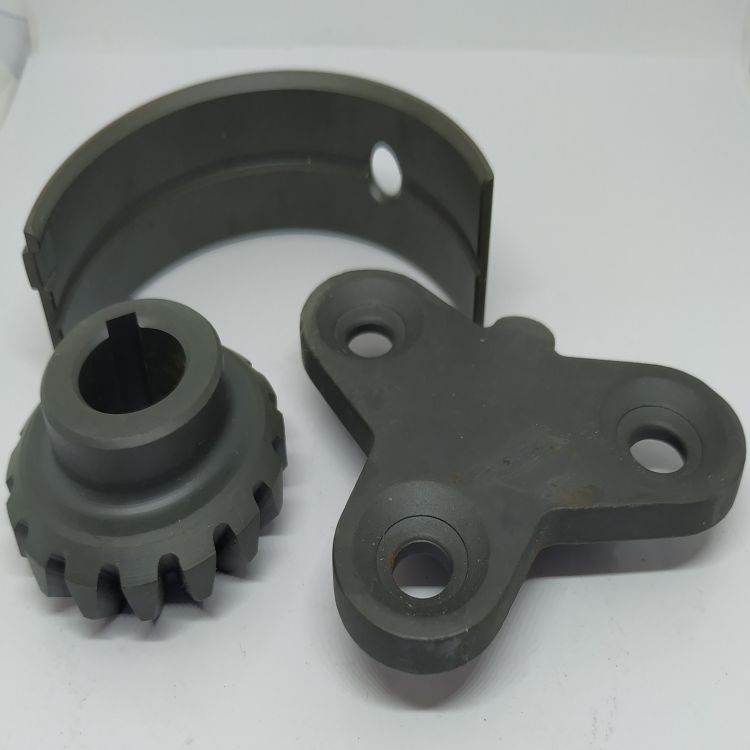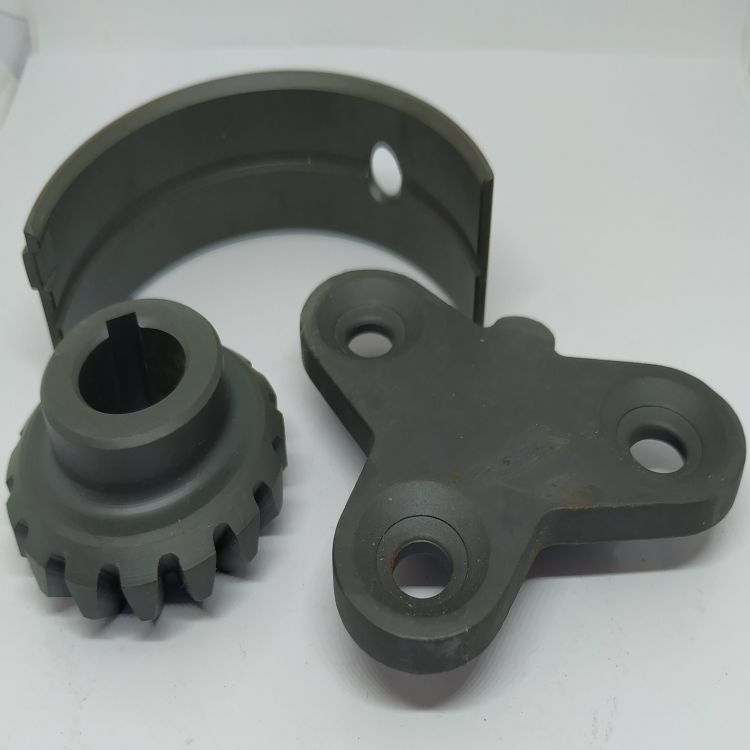
Step 1: Lubricating Coating Processing Service Procedure:
After the customer provides the workpiece, our lubricant coating processing typically involves the following steps:
Part Inspection
Firstly, conduct a comprehensive inspection of the customer-supplied workpiece, including dimensional measurements and appearance checks, to ensure the workpiece meets processing requirements. Simultaneously, determine the material properties of the workpiece to select the appropriate coating process for subsequent applications.
2. Surface Treatment
Clean, grind, and sand the workpiece surface to remove oil, rust, and impurities, enhancing the adhesion of the coating.
3. Coating Selection
Based on the working environment of the workpiece, performance requirements, and customer needs, select the appropriate lubricating coating material, such as polytetrafluoroethylene, molybdenum disulfide, etc.
4. Coating Application
Utilizing advanced coating application techniques such as spraying, dipping, and brushing, we uniformly cover the workpiece surface with lubricating coatings, ensuring the coating thickness and quality meet standards.
5. Curing Treatment
Cure parts coated with lubricating coatings by heating and drying methods to quickly harden the coating, enhancing its hardness and wear resistance.
6. Quality Inspection
Strict quality inspections are conducted on processed parts, including coating thickness measurements, adhesion tests, and coefficient of friction tests, to ensure the lubricating coating quality meets customer specifications.
7. Packaging Delivery
Carefully package quality-assured workpieces to prevent damage during transit, and promptly deliver them to the customer, providing satisfactory lubrication coating processing services.
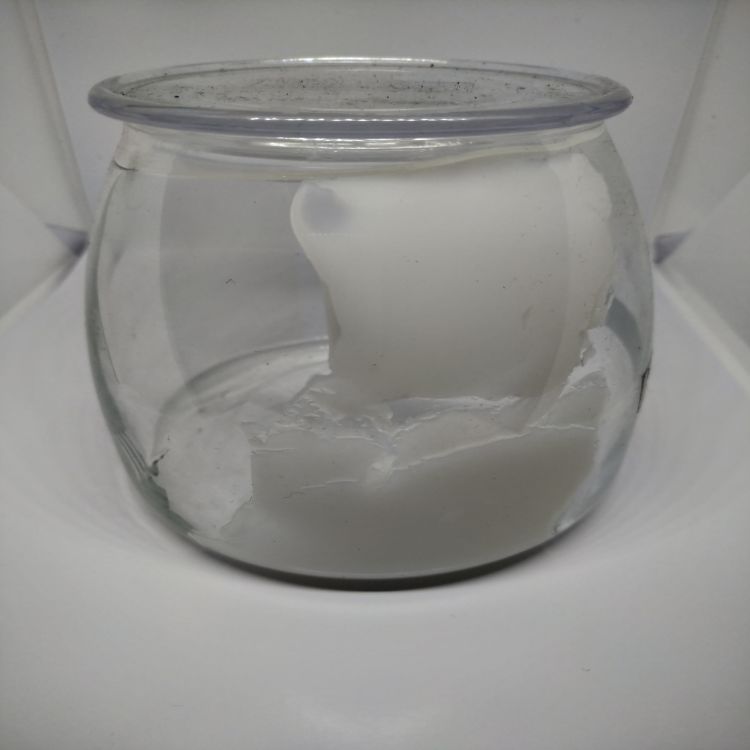 High-Temperature and Low-Temperature Grease AC-GW310
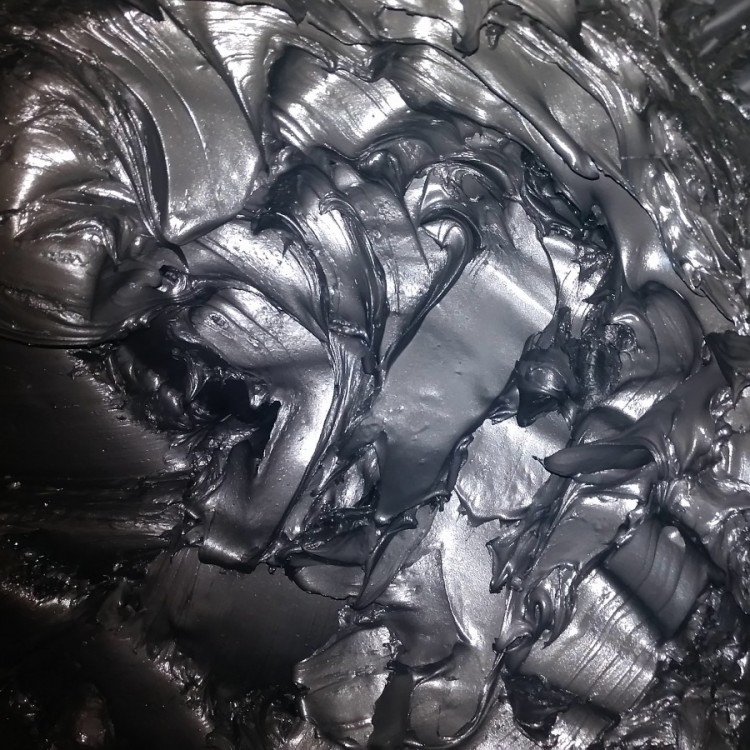 Molybdenum Disulfide Multi-Effect Lubricant AC-GW206
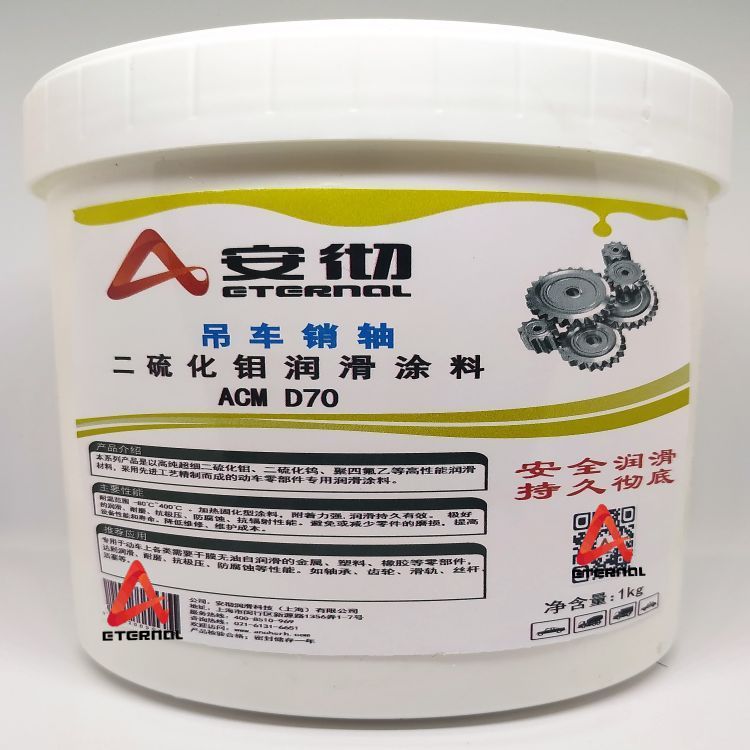 Hoist Pin Molybdenum Disulfide Lubricating Coating ACM D70

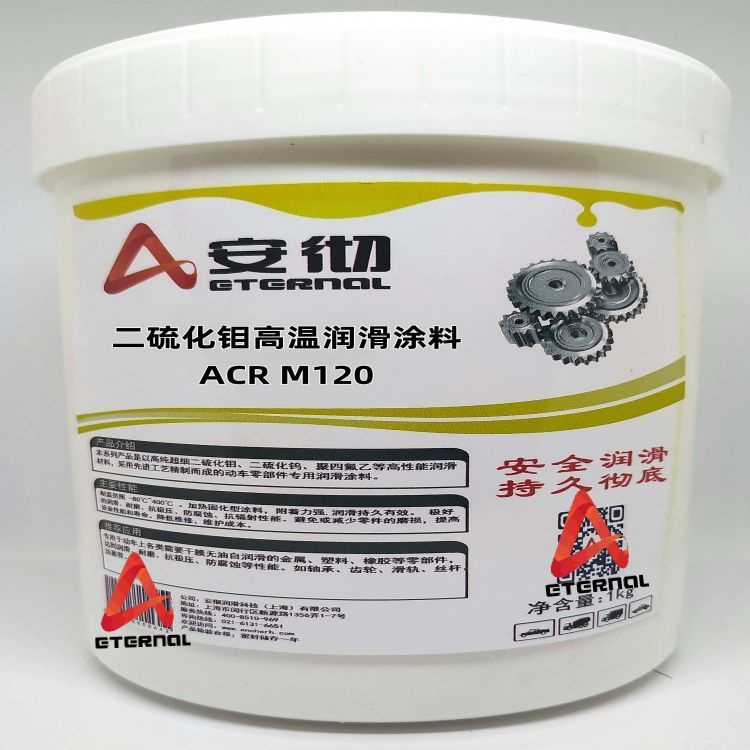 Molybdenum Disulfide High-Temperature Lubricating Coating ACR M120
 Eco-friendly Water-Based Ultra-High Temperature Composite Lubricating Coating ACM S550
 Ultra-high temperature lubricant coating
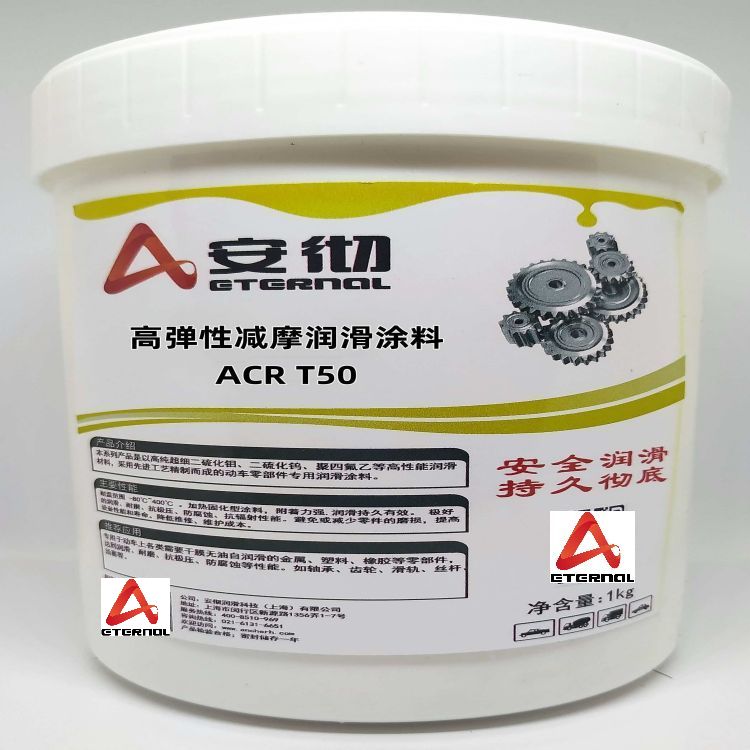 Wear-resistant and corrosion-resistant lubricating coating