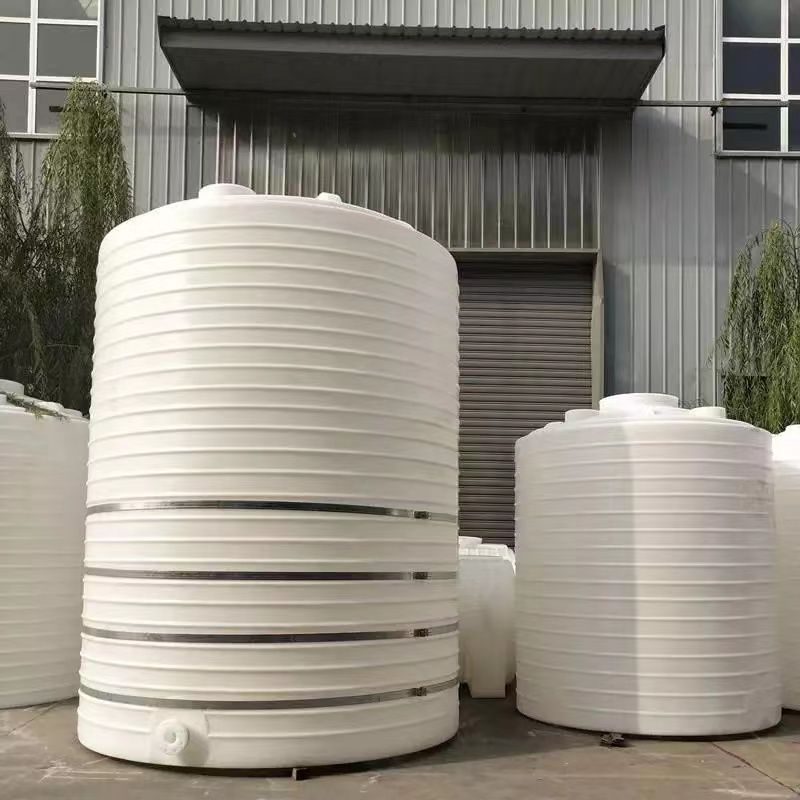
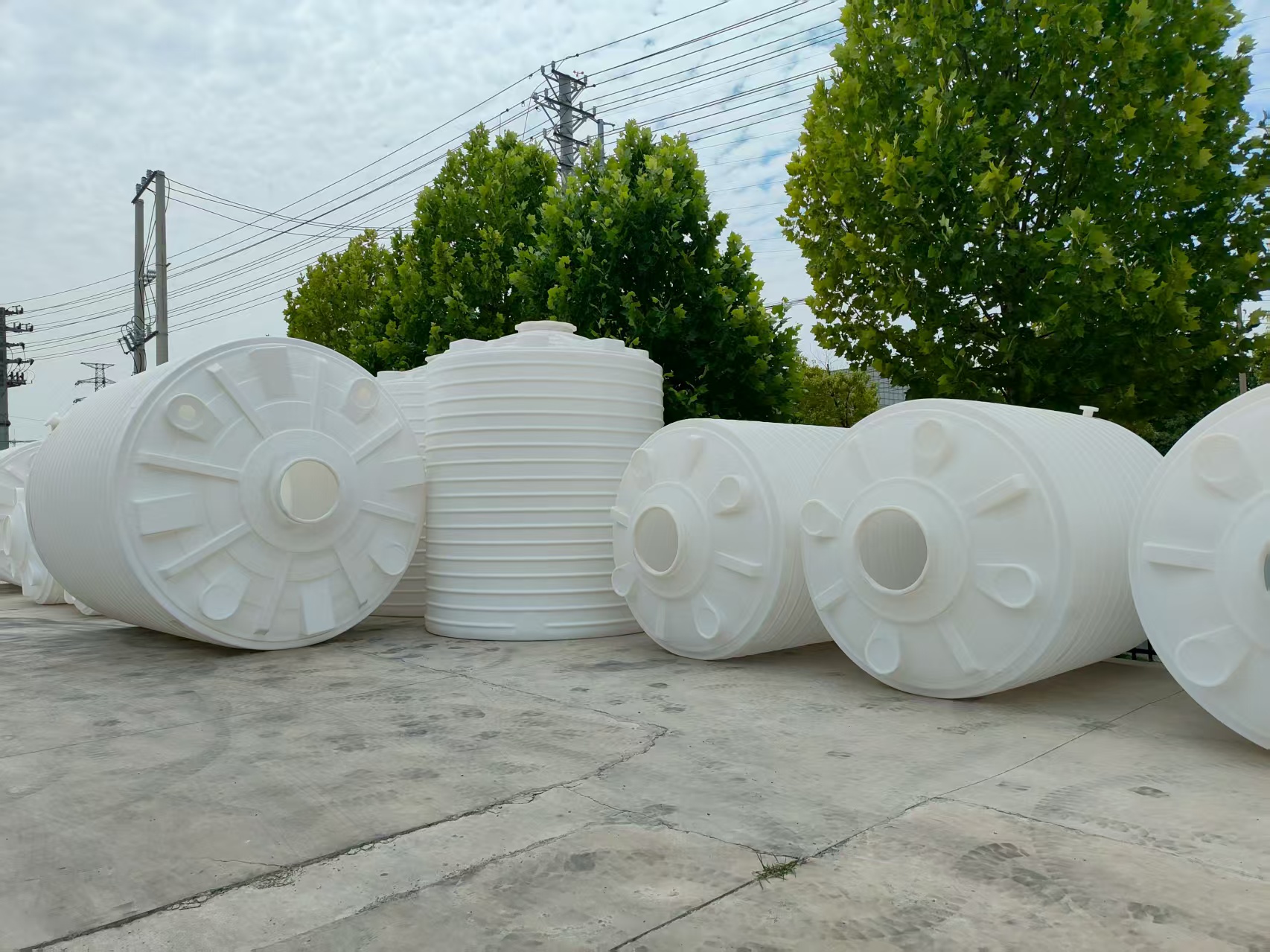
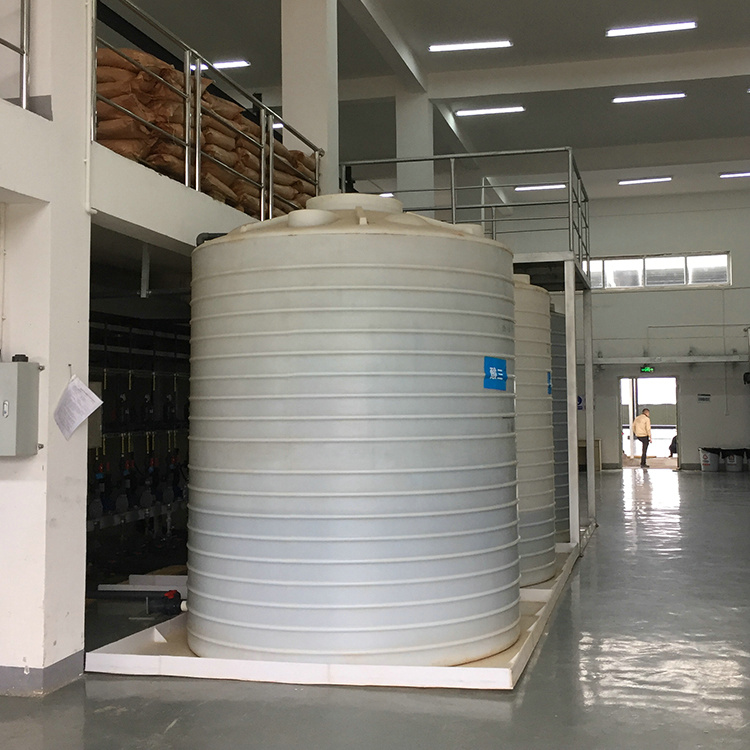
Detailed instructions on the design, selection, installation, and usage precautions for 20 cubic meter PE material additives storage tanks, suitable for storing chemical liquids such as concrete additives, water-reducing agents, and retarders.
Section 1: Tank Selection and Design
Material Selection
PE Type: Recommend Low Density Polyethylene (LLDPE), highly resistant to corrosion, suitable for most admixtures (such as polycarboxylate series, naphthalene series water-reducing agents).
Anti-aging treatment: For outdoor use, it is necessary to add UV stabilizers (carbon black or UV stabilizers) to extend the lifespan.
Temperature Range: -20℃ to 60℃ (Avoid high-temperature environments to prevent PE from softening and deforming).
2. Structural Parameters
Capacity: 20 cubic meters (≈20 tons, based on liquid density of 1.0 g/cm³).
Wall thickness: Standard 16~18mm, thickened type 18~20mm (adjustable according to the corrosiveness of the additive and the height of the storage tank).
Shape: Vertical flat-bottomed/conical or horizontal (choose based on site space).
Accessories Interface:
Inlet (DN80~DN100), outlet (DN50~DN65), exhaust port, level gauge port, manhole (optional).
3. Special Requirements
Anti-settling design: If the additive is prone to settling (e.g., certain powdered solvents), a stirring device or conical bottom structure can be installed.
Barrier Layer: For strongly corrosive additives (such as those containing strong acids/alkalis), an optional internal lining of PTFE or PP layer is available.
II. Installation and Mounting
1. Basic Preparation
Surface requirement: Flat and hardened (concrete foundation), bearing capacity ≥ 25 tons (tank's own weight + full liquid weight).
Basic Form:
Vertical Storage Tank: Ring base + sand bedding (disperses pressure), top is secured with a clamping band to prevent wind.
Horizontal Storage Tank: Supported by saddle brackets, limited at both ends with anti-slip stoppers.
2. Pipe Connections
Material: PE, PP, or PVC pipes, connected to the storage tank flange (gaskets must be corrosion-resistant, such as EPDM).
Valves: Choose UPVC or CPVC ball valves to prevent metal components from contacting the liquid.
3. Safety Accessories
Level Monitoring: Magnetic Flip Level Gauges or Ultrasonic Level Sensors.
Exhaust Device: Breathing Valve (balances pressure, prevents vacuum deformation).
Overflow Pipe: Directed to a safe area to prevent overflow leakage.
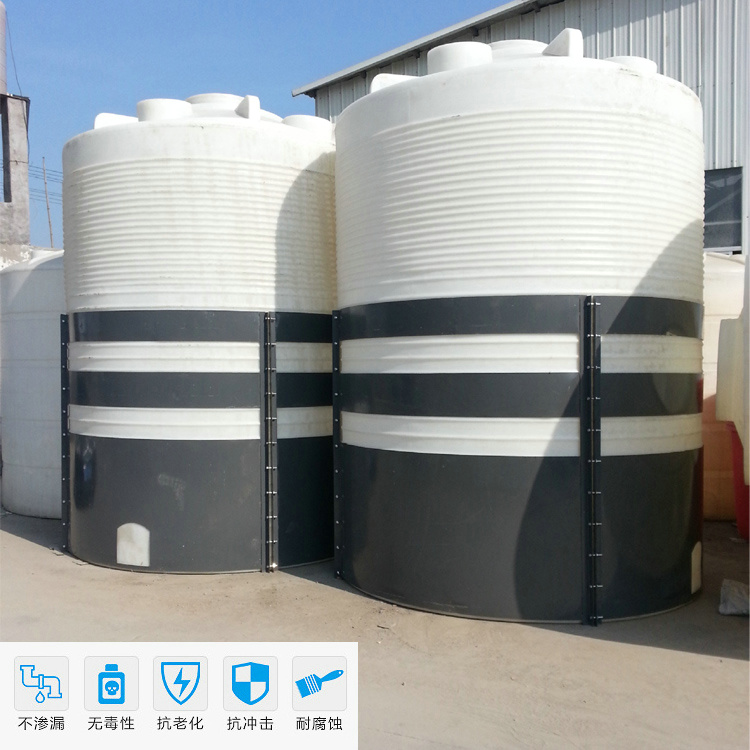
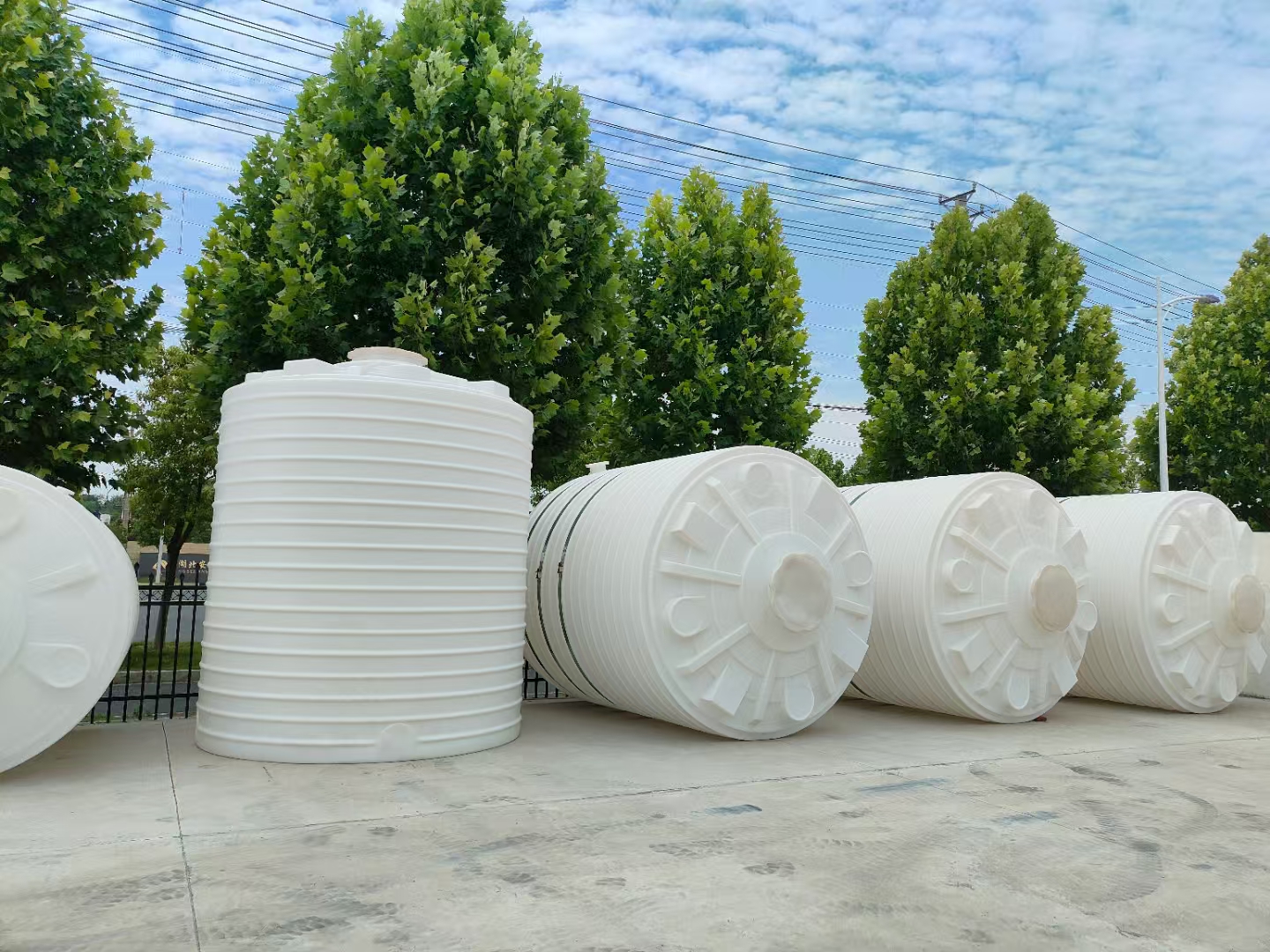
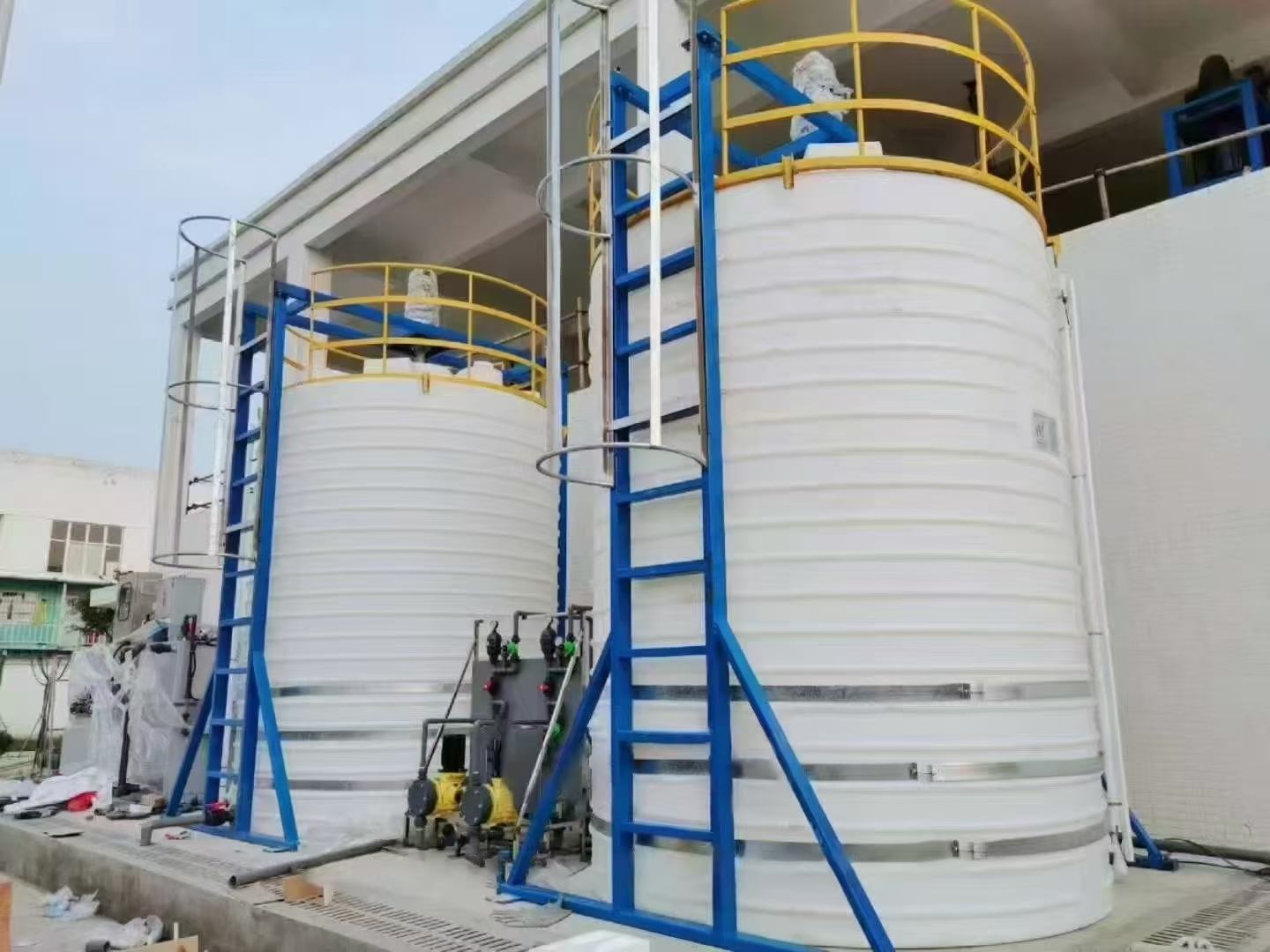
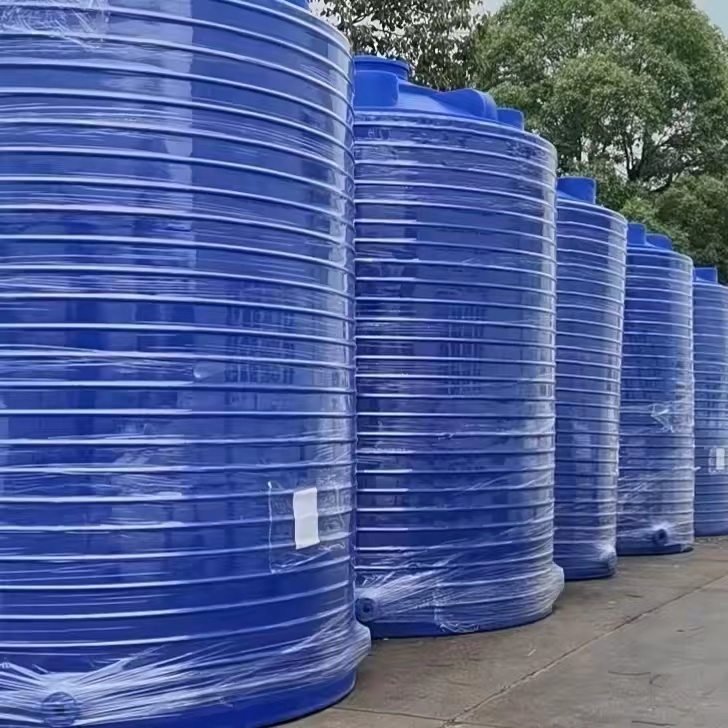
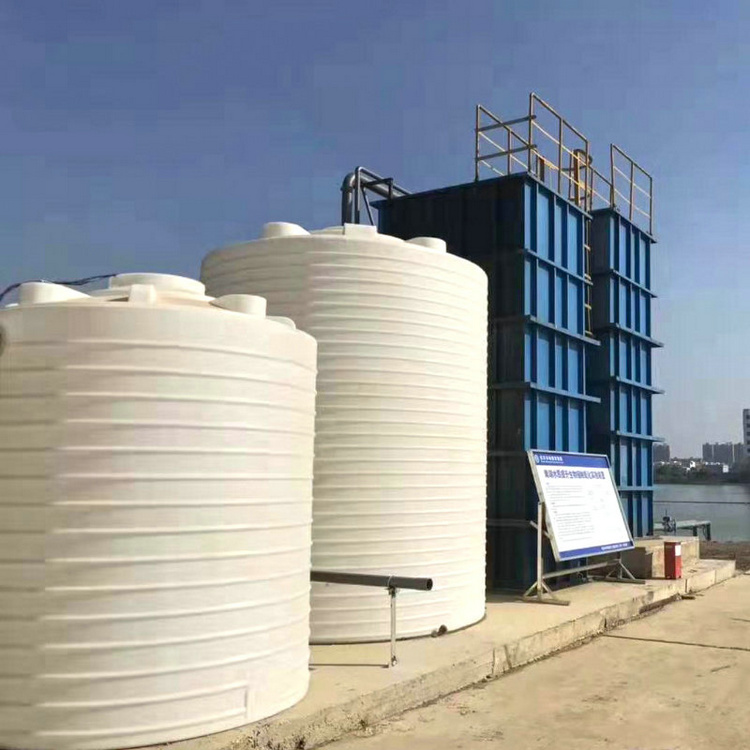
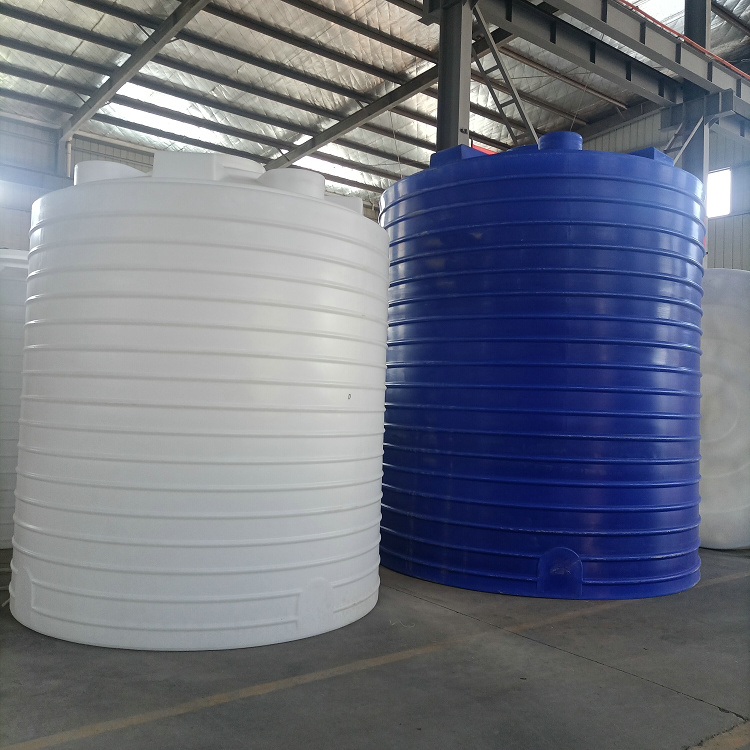 15-ton waste water treatment chemical storage tank
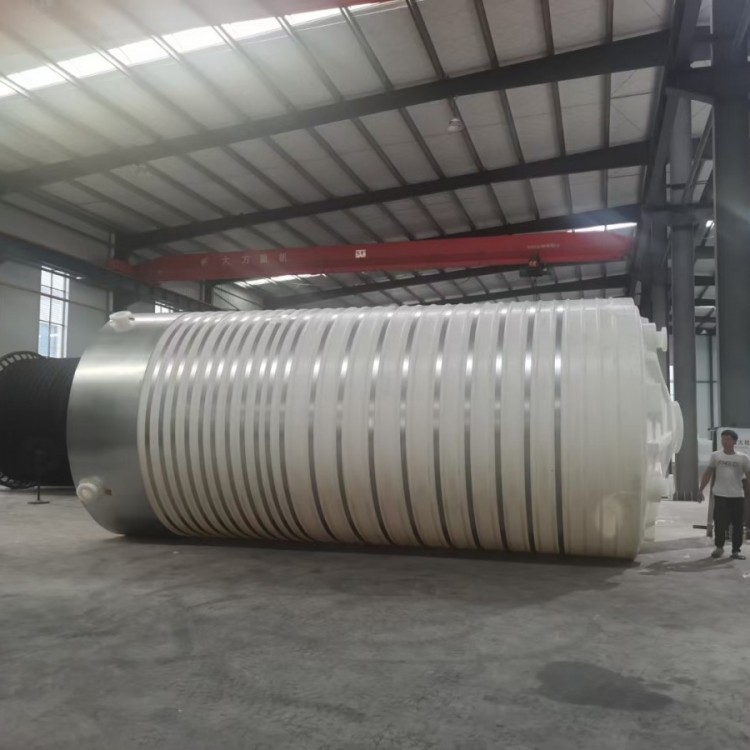 60-ton PE plastic storage tank
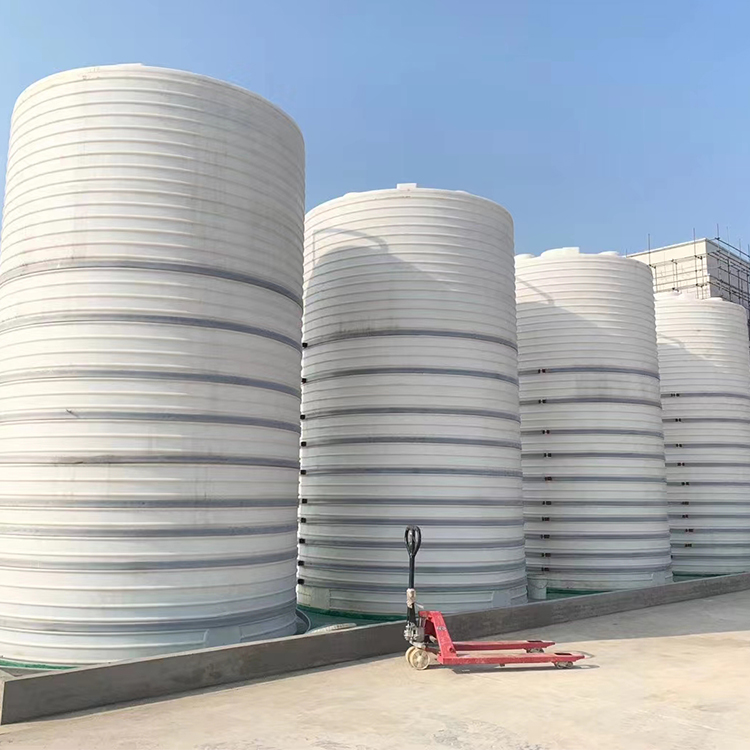 50-ton large capacity PE water tank

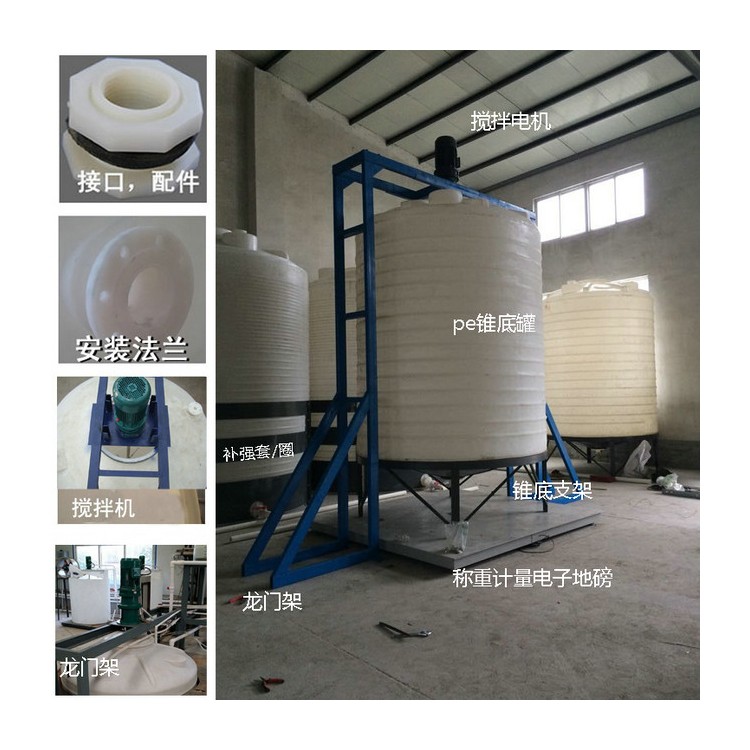 5-ton cone-bottom storage tank, thickened custom pointed-bottom plastic drum
 40 Cubic PE Tank
 20-ton PE coated storage tank
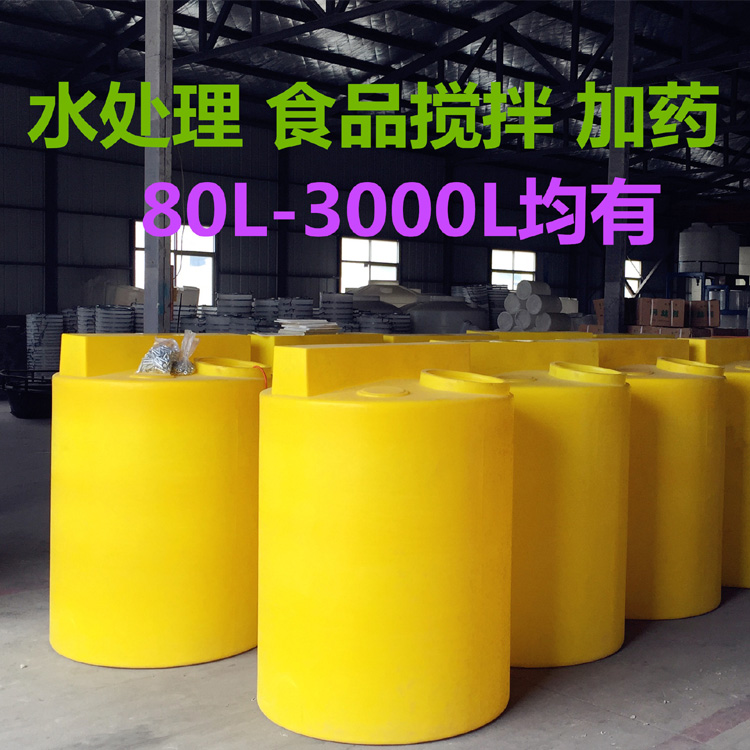 1000L Water Treatment Chemical PAC Mixing Drum with Chemical Feed Tank