



What is the temperature resistance of high-temperature fluoroplastic sleeve, polytetrafluoroethylene tube, PTFE tube, and tetrafluoroethylene tube?
The material has a melting point of 260°C, but it is not soluble and will not melt even above 400°C; it only emits a small amount of toxic gases.
What are the differences between high-temperature FEP sleeve, polytetrafluoroethylene (PTFE) tube, and PTFE tube?
Teflon® tubes and polytetrafluoroethylene (PTFE) tubes, also known as PTFE or Teflon® pipes, are different names for the same product. This material is made by mixing polytetrafluoroethylene with solvents, forming preforms, extruding tubes, and then sintering and cooling them into shape, which is one of the earliest types of fluoroplastic pipes. Its full English name is Polytetrafluoroethylene, abbreviated as PTFE. The molecular formula consists of four fluorine atoms and two carbon atoms. This material was discovered by DuPont in 1938 as a white powder. Later, DuPont registered the trademark Teflon, which is phonetically translated as Teflon, TeFlon, and so on.
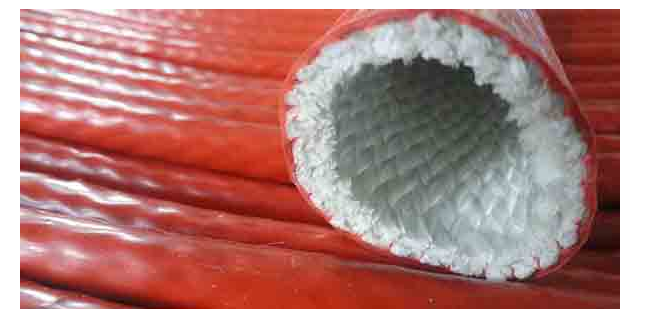
Three, High-Temperature Resistant Fluoropolymer Tubing, PTFE Tubing, Tetrafluoroethylene Tubing Advantages:
Low friction coefficient. Friction coefficient ≤ 0.1, suitable for use as a lubricating product.
Corrosion-resistant; does not react with almost all chemicals, including strong acids and alkalis (reacts with fluorine and alkali metals at high temperatures), and can withstand corrosion from "aqua regia."
Self-cleaning. PTFE is difficult to adhere to, and it is now known that no solid material can stick to it. Even if there is slight adhesion, it can be easily cleaned off with simple methods.
Fluoropolymers are non-soluble materials; they do not melt at temperatures up to 400°C, but rather soften.
High-Temperature Resistant: Our PTFE Teflon material can withstand high temperatures up to 260°C and low temperatures down to -70°C.
High-Resistance Teflon Tubes feature high resistance, excellent insulation properties, and can withstand tens of thousands of volts.
Anti-Aging: The fluoropolymers in our Fluoropolymer tubes offer excellent anti-aging properties and a long service life.
Four. Advantages of high-temperature sleeve fluoropolymers, PTFE tubes, polytetrafluoroethylene tubes, and PTFE tubes:
Cannot be processed using conventional melting methods. Processing difficulty and costs are relatively high.
Teflon raw materials are prone to fiberization, demanding high standards for transportation and handling.Difficult to connectCorrosive and slightly toxic.
