

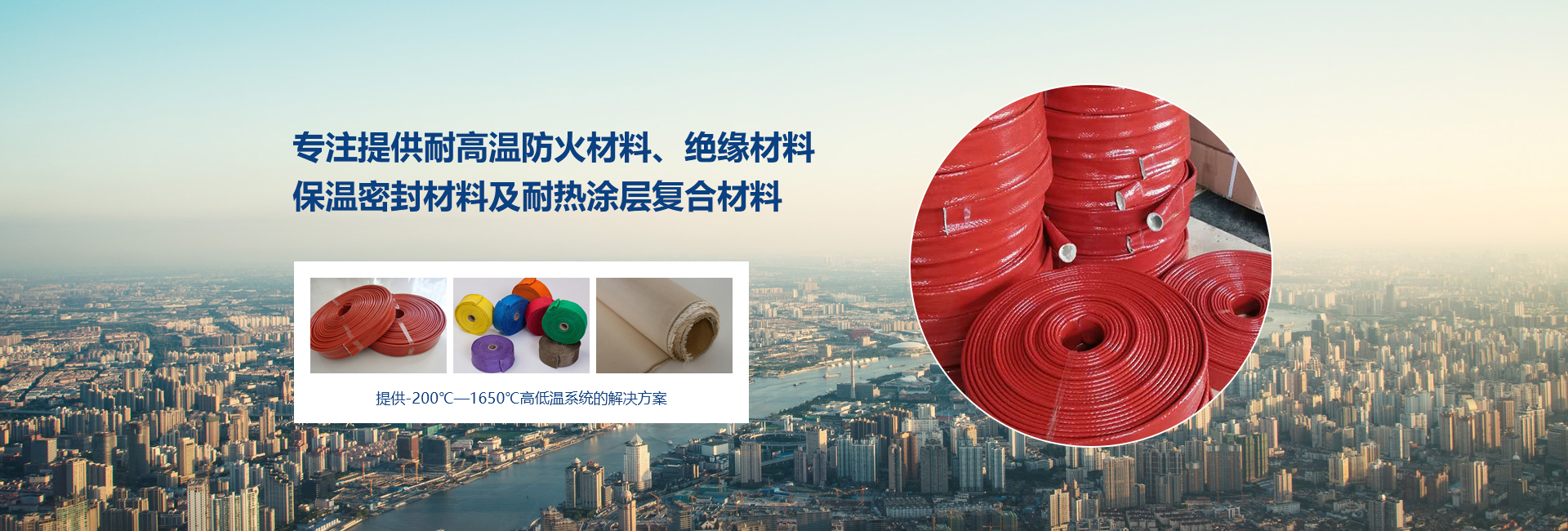



Fireproof SheathWhether it's cables or pipelines, fire-retardant sleeves are often used at high temperatures to protect them from the侵袭 of high heat. What are these sleeve materials, and why do they provide fire and thermal insulation? Currently, this fire-retardant sleeve material is typically made from alkali-free glass fiber yarn processed into pipes, followed by the application of heat-resistant organic silicone resin on the finished pipe.
Whether it's cables or pipelines, fire-retardant sleeves are often fitted under high temperatures to protect them from the effects of heat. So, what are these sleeve materials, and why do they offer fire and thermal insulation? Currently, these fire-retardant sleeve materials are typically made by passing alkali-free glass fiber yarn through equipment to form a tube, followed by the application of an organic heat-resistant silicone resin to the finished tube.
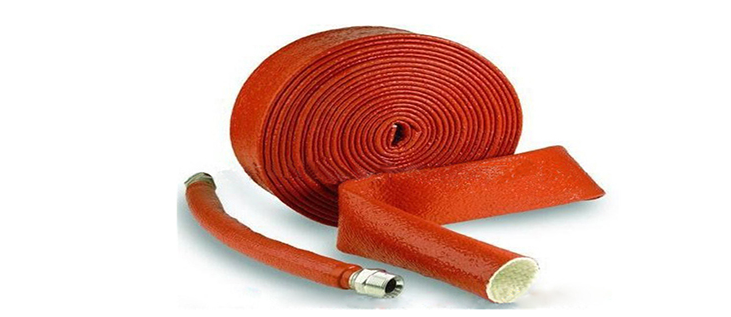
With the support of these materials, the sheath not only provides protection and insulation but also exhibits excellent resistance to insulation and corrosion.
The alkaline-free glass fiber used in the sleeves boasts excellent tensile strength, features like no wrinkling, no breaking, and good insulation. Combined with the dry and solid nature of silicone, it significantly enhances reliability and environmental friendliness. The organic groups and inorganic structure in the silicone system of the fire-retardant sleeves contribute to better heat resistance.
Additionally, fire-resistant sleeves composed of these materials are suitable for the smelting industry. The fire-resistant pipes, coated with multiple layers of silicone, offer various maintenance benefits, better preventing the splashing of molten metals and ensuring the safety of cables or related machinery. Simultaneously, these sleeves also block the heat from the pipes, preventing overheating of the machinery and personnel, as well as the leakage of equipment heat, thus reducing product costs.
Organic silicone resins and alkali-free glass fibers used in fire-retardant sheath materials meet many fire-resistant and thermal insulation demands currently available on the market. Additionally, these materials have been utilized in many heat-resistant and fire-retardant sleeves in the current stage.
