







1. Pipe exhaust muffler, applications and product features
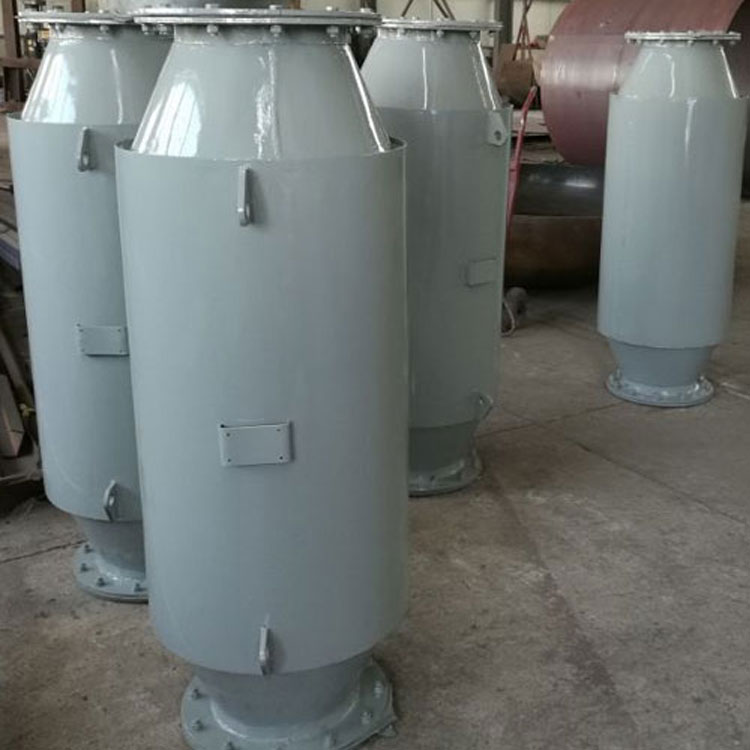
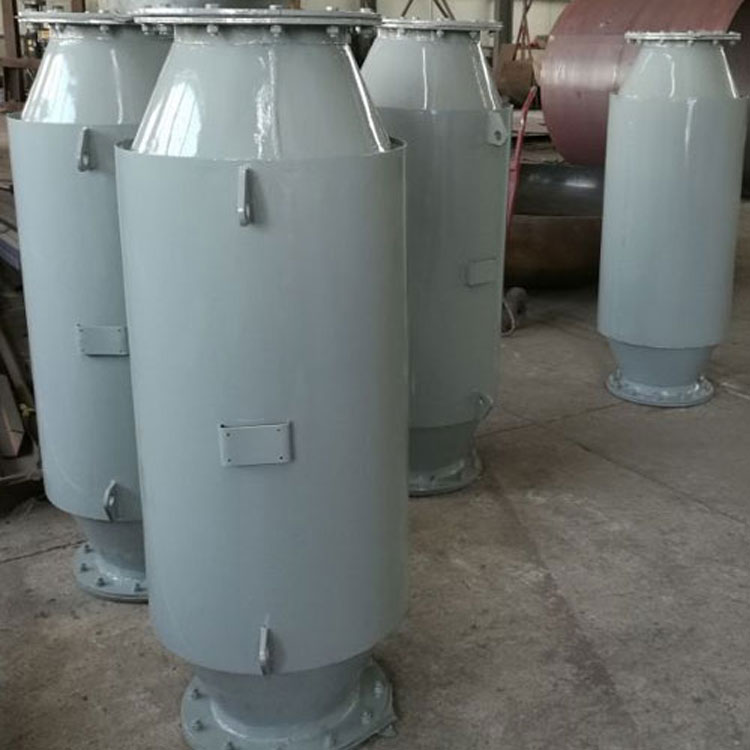
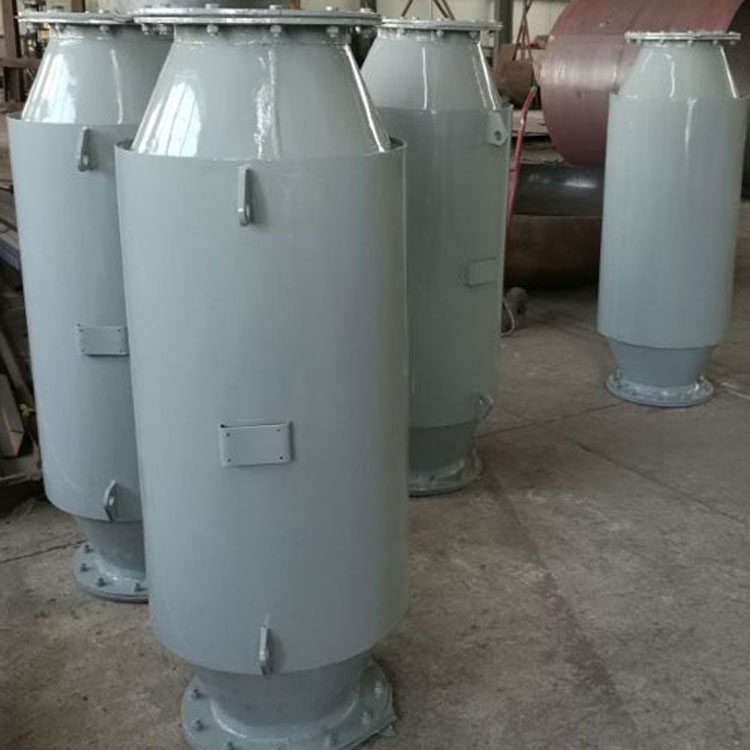
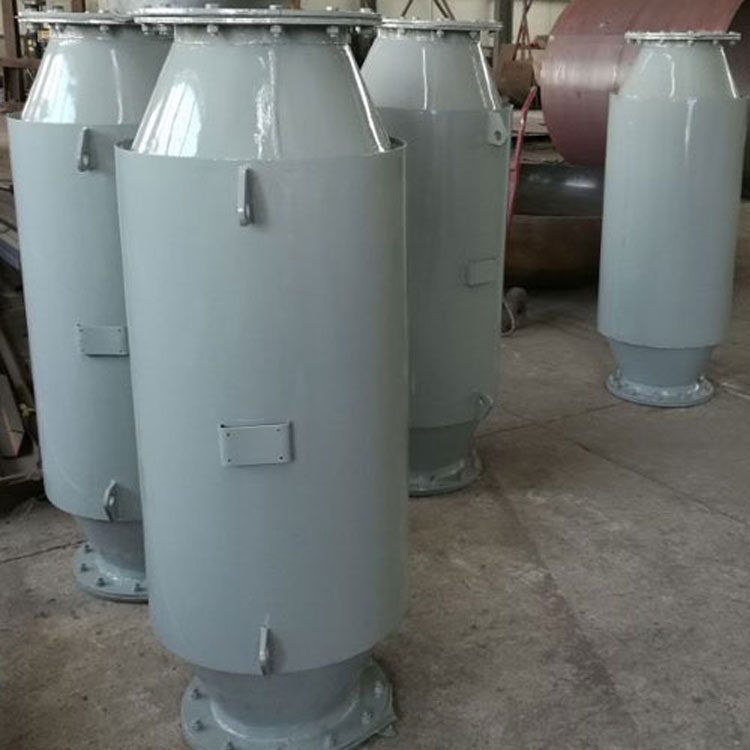
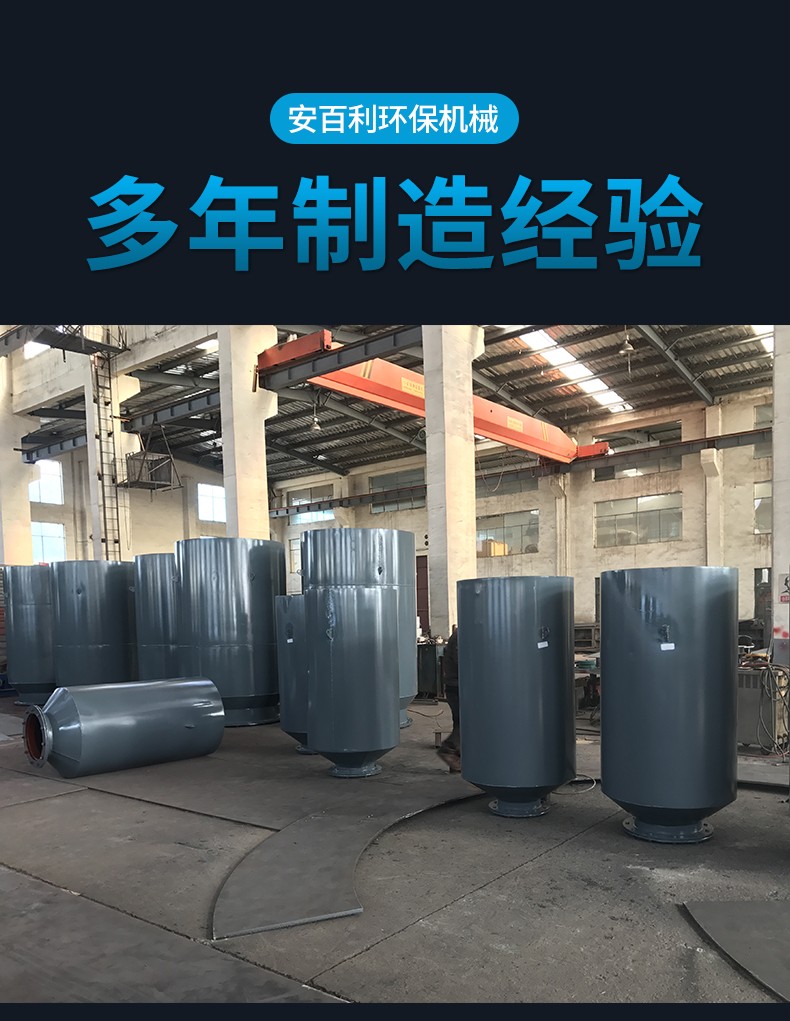
Pipe exhaust mufflerPipe exhaust mufflers are primarily used for effectively silencing steam emissions from thermal equipment such as boilers and steam turbines in power generation departments. They are also widely employed in the boiler steam emissions and other gas exhaust silencing in industries like oil, chemicals, metallurgy, and textiles.
Pipe exhaust silencers are devices that block sound transmission while allowing airflow, serving as a crucial measure to eliminate the dynamic noise of steam exhaust. To evaluate the quality of the exhaust silencers, we primarily consider the following three aspects:
1. Pipe exhaust mufflers; the noise reduction of the pipe exhaust mufflers meets the requirements of the "Noise Hygiene Standards for Industrial Enterprises."
2. Pipe exhaust muffler, adaptability of the pipe exhaust muffler (i.e., its capability to adapt to a broad frequency spectrum of low to medium frequencies and high temperatures and pressures);
3. Pipe exhaust muffler; structural and performance characteristics of pipe exhaust mufflers (including reasonable dimensions, low cost, long lifespan, etc.).
The steam from boilers in the power generation department is not only high temperature and high pressure but also has a wide emission frequency band. Simply relying on small-hole soundproofing is insufficient. The pipeline exhaust muffler is developed based on the composite noise reduction principle of resistance, jet, and impedance. It boasts large noise reduction capacity, wide frequency band adaptation, and targeted design (for various boiler and pressure vessel pipeline exhaust parameters such as low pressure, medium pressure, sub-high pressure, high pressure, ultra-high pressure, sub-critical, and super-critical), with the advantage of being made of stainless steel and easy to install.
Section 2: Pipe Exhaust Muffler, Principle of Pipe Exhaust Muffler
Pipe exhaust mufflers are manufactured based on the micro-perforated plate noise reduction principle. Power plant boiler steam emissions generally have high flow rates, and high flow rates have a significant impact on noise reduction for small holes. Therefore, we need to control the flow first, and then the steam that has been controlled flows into the expansion chamber for further pressure reduction and noise reduction. After the steam is subjected to large-volume pressure reduction, it forms low-pressure steam that is ejected. During this process, the airflow is ejected through small holes, and after ejection, the sound power of each harmonic band is reduced, and the sound pressure level frequency is pushed up to the above range, significantly reducing the noise. However, secondary noise at certain frequencies still requires further noise reduction. We add a resistive sound-absorbing cotton structure outside the expansion chamber, which is designed based on the frequency spectrum characteristics of the remaining noise emitted by the pressure reduction body, to effectively absorb the remaining noise. After the user installs it according to specifications, the total noise reduction should reach 30-42 decibels, meeting the industrial noise standards.
Section 3: Pipe Exhaust Muffler, Pipe Exhaust Muffler Selection for Order
Our factory produces pipeline exhaust silencers, which are meticulously designed according to the customer's emission targets and requirements. To achieve significant noise reduction, it is essential that the product matches the emission target and parameters. Therefore, when ordering silencers, the following information must be provided:
(1) How much steam emission volume?T/h)、And pressure, temperature.
(2) Application (e.g., for boiler steam capacity or safety valve discharge, etc.)
(3) Exhaust pipe outer diameter, wall thickness
