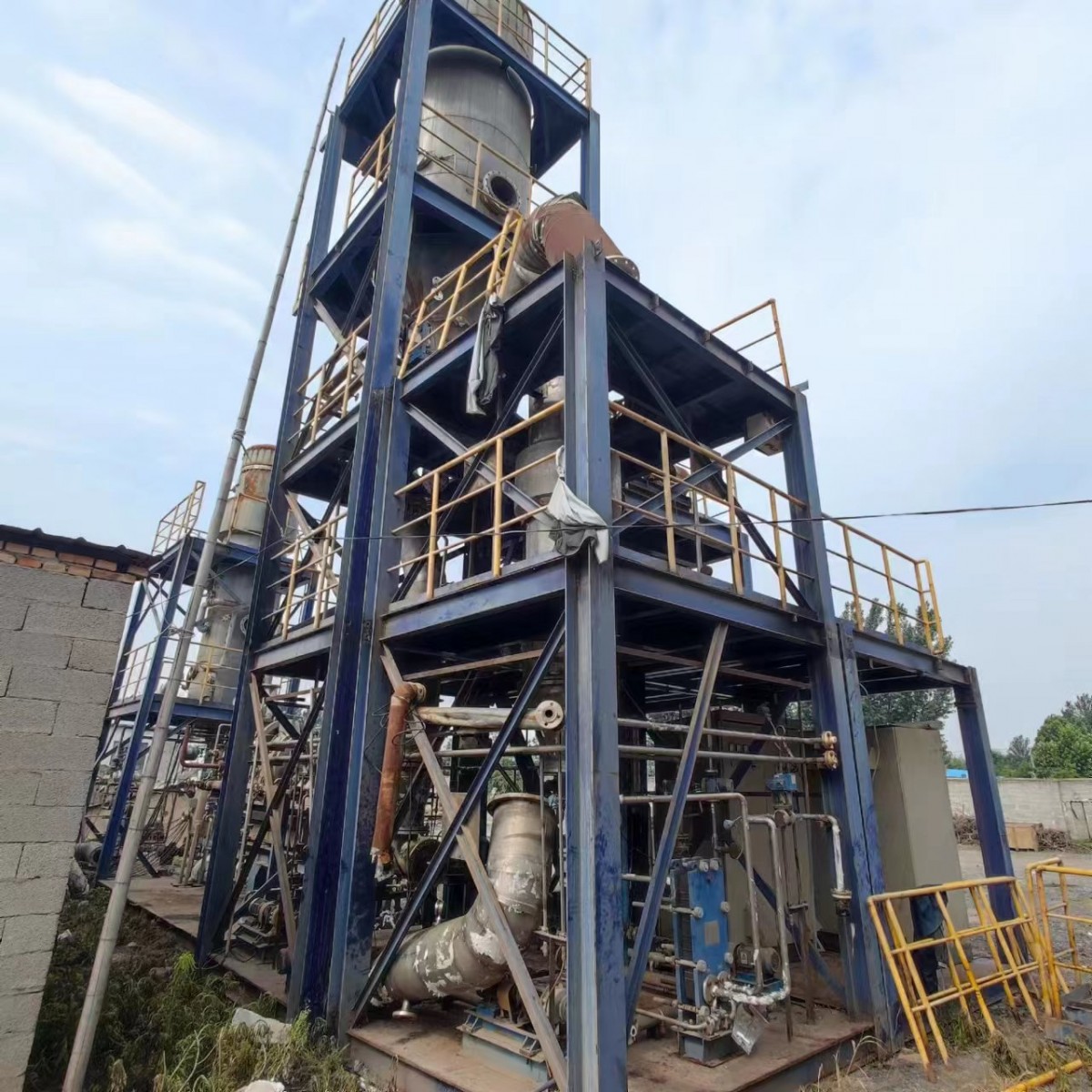




Mechanical Vapor Recompression (MVR) Evaporator
An evaporative concentration equipment that uses MVR (Mechanical Vapor Recompression) to compress and heat all the secondary steam into heating steam, and then recycle it repeatedly.
Main Principle:
Mechanical Vapor Recompression (MVR) evaporators utilize the secondary steam generated within the evaporator. After being compressed by a compressor, the steam's pressure and temperature rise, increasing its enthalpy. It is then sent to the evaporator's heating chamber as heating steam, maintaining the boiling state of the feed liquid. Meanwhile, the heating steam condenses into water. This way, the once-wasted steam is fully utilized, recovering latent heat, enhancing thermal efficiency, and making the steam economization equivalent to a 30-effect multiple-effect evaporation. It also reduces the demand for external heating and cooling resources, lowers energy consumption, and decreases pollution.
Key Features:
01. MVR Energy-saving Evaporator Technology is the current international XJ evaporator technology, requiring only a small amount of live steam (a small quantity is needed during startup, almost none during normal operation), significantly reducing the enterprise's operating costs and environmental pollution.
02. Due to the use of a compressor as the heat source, the temperature difference is much smaller compared to traditional evaporators, allowing for gentle evaporation. This significantly improves product quality and reduces scaling.
03. No need for a condenser or only a very small condenser area required; the structure and process are extremely simple, fully automatic operation, capable of continuous running, and safe and reliable.
04. Equipped with an internal CIP cleaning line, enabling on-site cleaning, the entire equipment is easy to operate with no blind spots.
05. This evaporator operates at low temperatures (evaporation temperature 50℃-100℃) without producing foam, ensuring uniform liquid, no material leakage, and minimal tendency to coking. The material undergoes minimal heat-induced denaturation.
06. The installation space for the MVR evaporator is about twice that of a standard multi-effect evaporator, and the capital investment is also higher. However, the operating costs are significantly lower than those of a standard multi-effect evaporator.
07. To prevent operator errors or equipment failure due to incorrect operation causing MVR issues, it is essential to have a self-control operating system for equipment protection.
08. Traditional multi-effect evaporators use fresh steam as energy, such as a five-effect evaporator typically consumes 0.23 tons of fresh steam to evaporate 1 ton of water; MVR mechanical vapor recompression evaporators consume electrical energy, with about 15-27 degrees of electricity used to evaporate 1 ton of water, and materials with a smaller increase in boiling point can achieve less than 20 degrees of electricity per ton of water. The degree of energy savings is closely related to the local fresh steam price and electricity price; for example, with a steam price of 180 yuan/ton and electricity price of 0.7 yuan/degree, compared to a five-effect evaporator, the energy consumption per ton of water saved is 0.23 * 180 - 20 * 0.7 = 27.4 yuan. If the evaporation volume is 100 tons, and the annual operation time is 330 days, working 24 hours a day, the annual savings in energy consumption cost would be 27.4 * 100 * 24 * 330 = 21,700,800 yuan. MVR evaporators can save over 60% more energy than five-effect evaporators.
09. The price of an MVR mechanical compression evaporator is about twice that of a multi-effect evaporator. For new projects, comparing the investment differences, the additional investment in purchasing an MVR typically pays off within 300 operating days. For energy-saving retrofit projects replacing existing multi-effect evaporators with MVR mechanical compression evaporators, the retrofit investment usually recovers within 500 operating working days.
10. In areas where steam costs are very low and electricity prices are very high, the economic advantages of MVR mechanical vapor recompressors are not significant, and their use is not recommended. Common model specifications: NMVR-XX XX - Water Evaporation Capacity (t/h): Minimum 0.2, Maximum 600, subject to customer requirements.
Application Range:Ideal for evaporation and concentration crystallization of various materials, especially for products with a relatively low boiling point rise (BPR) or easily evaporated dilute materials.
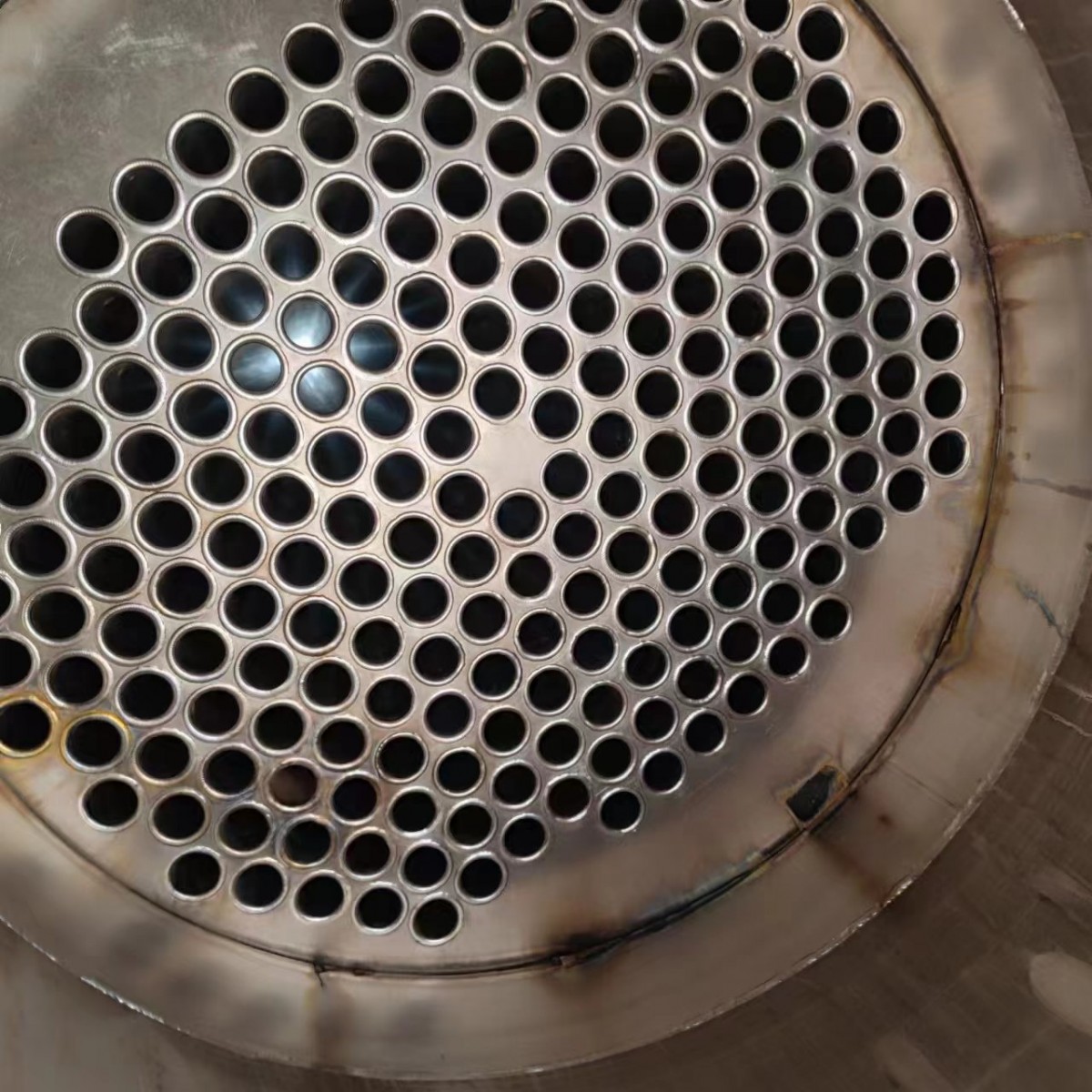
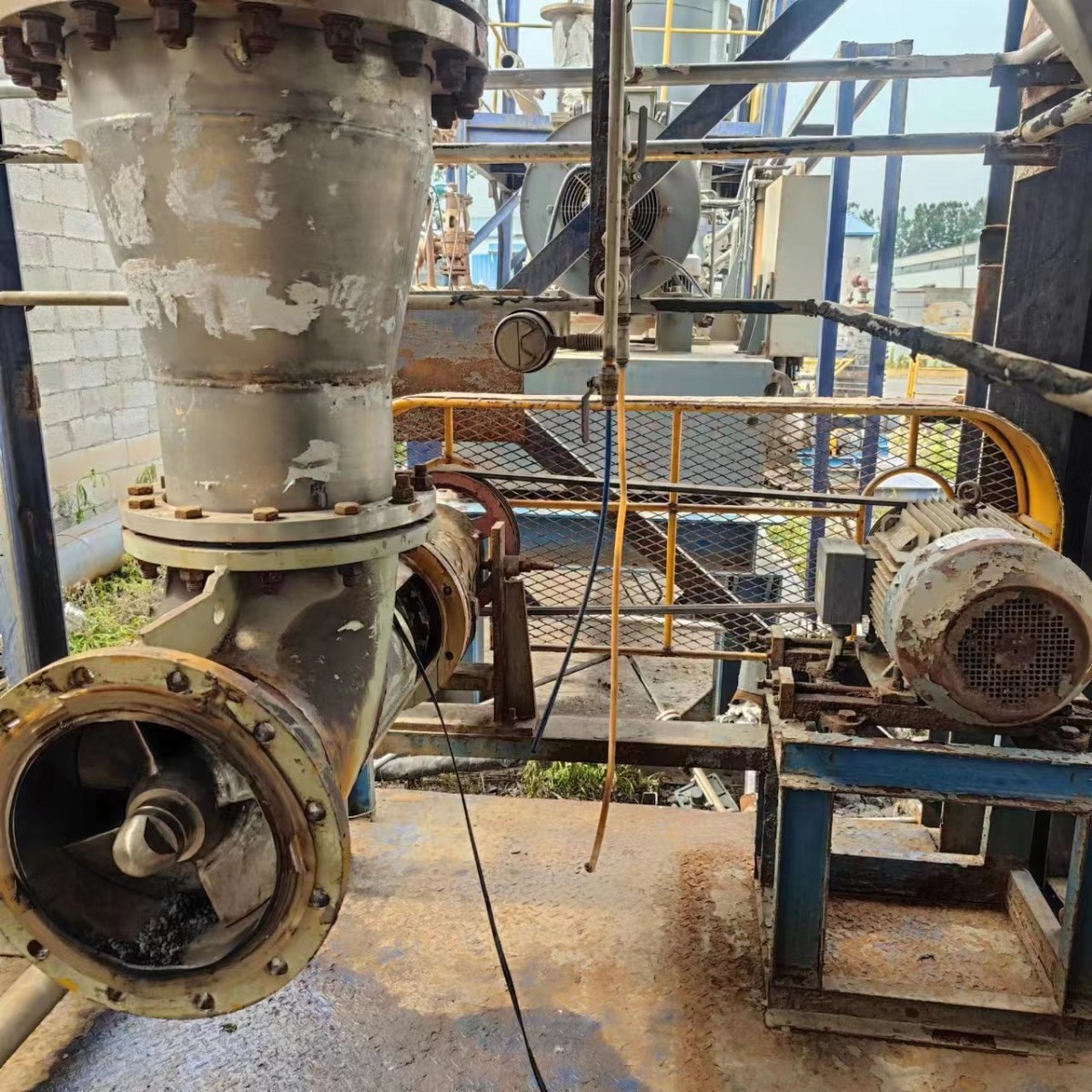
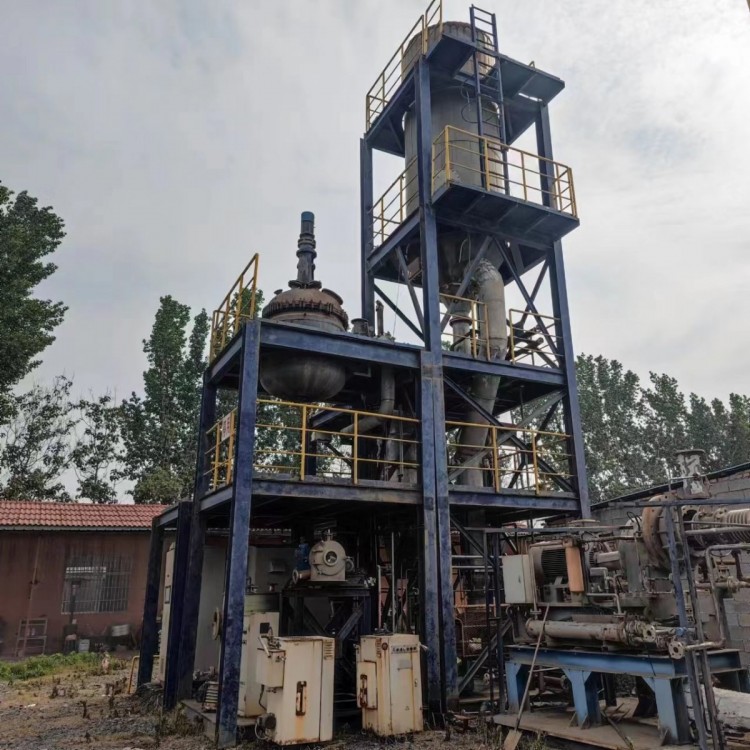
System Composition:Comprised of systems including heaters, separators (crystallizers), compressors, vacuum pumps, circulation pumps, operation platforms, electrical instrument control cabinets, valves, and piping, the structure is extremely simple.