

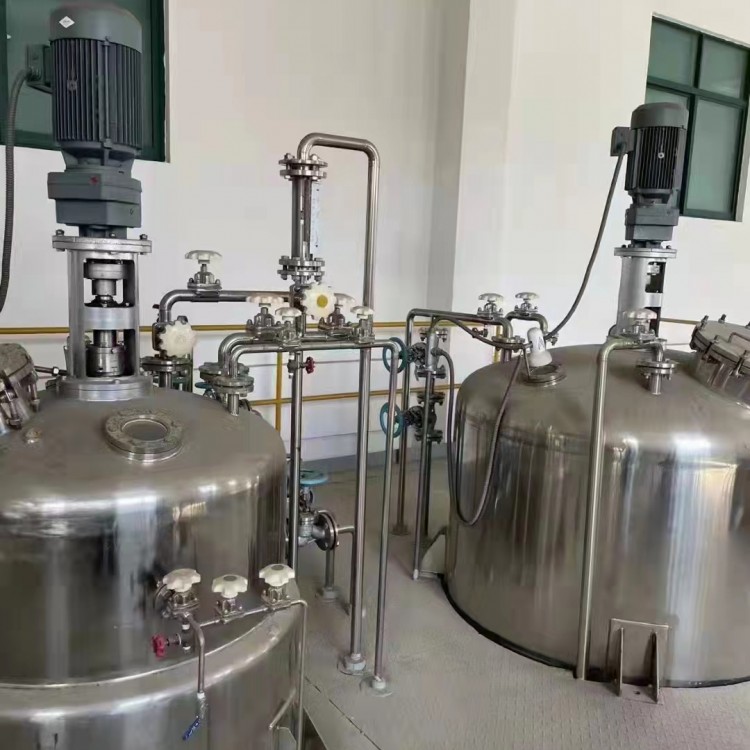

Principles and Advantages of Fermentation Equipment
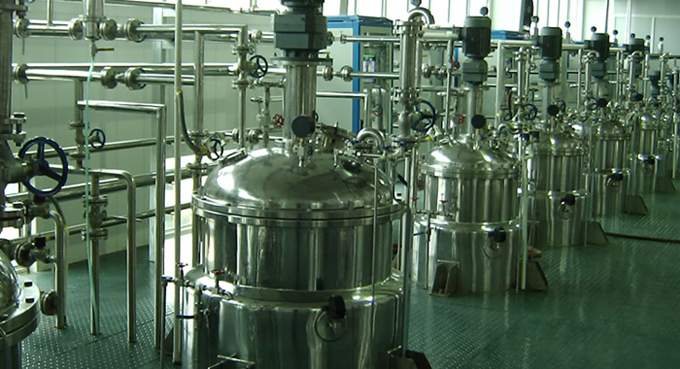
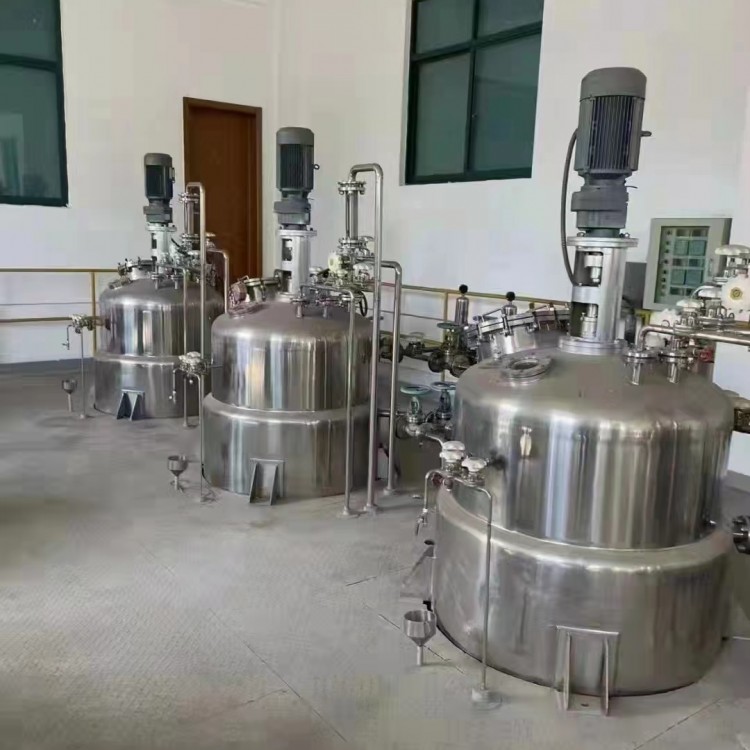
With the continuous development of science and technology, companies are demanding a corresponding increase in production efficiency. At this point, mechanized equipment in production is gaining more attention from businesses. For instance, in industries like biotechnology and fermentation, the focus on fermentation equipment is growing, and proper use of such equipment can significantly boost production efficiency. Fermentation equipment primarily refers to fermentation tanks, which are devices used for microbial fermentation. They are widely used in the food, beverage, and brewing industries.
The principle involves the interaction of components such as the tank, sensors, and controllers to prevent microbial contamination in the air, enhance product quality, and extend the shelf life of the company's products. There are many different types of fermentation tanks, all aimed at improving the fermentation process. Since the fermentation process is highly complex, upgrading the fermentation equipment is necessary to address various potential issues.
The role of fermentation tanks primarily includes the following aspects:
Firstly, it ensures a more even distribution of the reaction solution, which is more conducive to the growth of biological cells.
Secondly, reduce damage to biological cells.
Thirdly, it boasts excellent thermal conductivity, which is beneficial in providing the appropriate temperature for the fermentation material.
Fifthly, the operation is simple and user-friendly for staff.