

Materials reserves are commonly referred to as inventory. Inventory can be divided into three parts: raw materials and auxiliary materials, products and semi-finished goods, and finished goods. The goal of enterprise material management is to maintain a reasonable inventory to ensure the smooth progress of production.
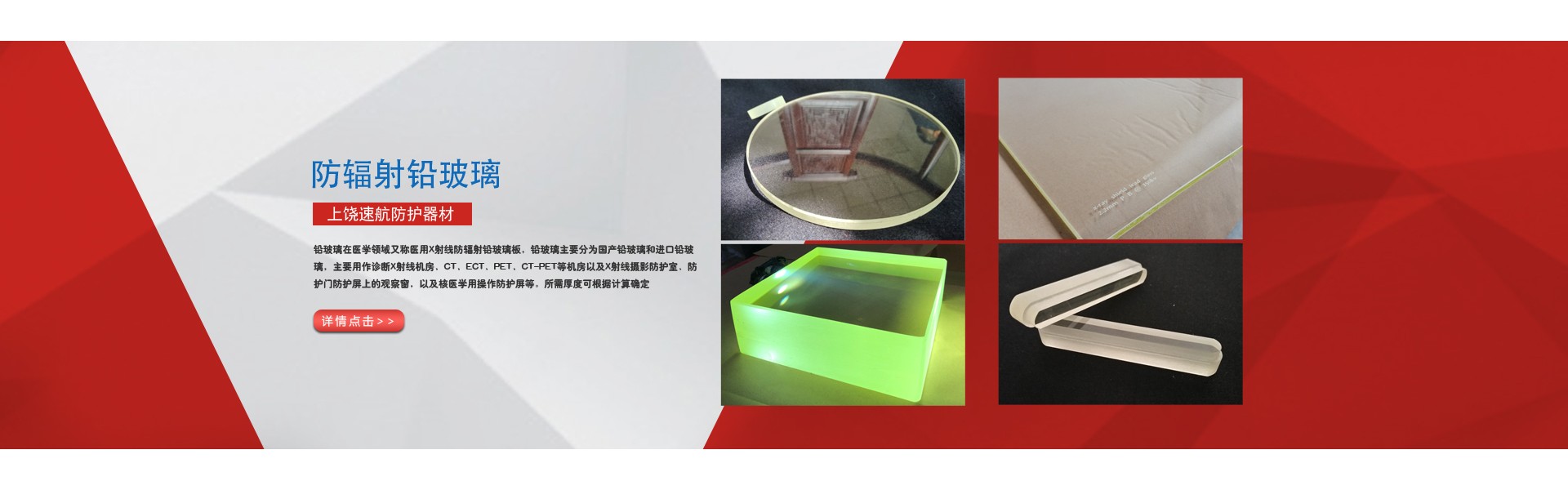
Lead glass is a type of glass. Unlike common potassium carbonate glass, calcium is replaced by lead. Lead glass typically contains 18-40% of lead oxide, but modern lead crystal (also known as flint glass) contains at least 24% of lead oxide, as it originates from silicon dioxide. Lead glass products feature concealed decorative elements and are often collected.
Due to the brittle nature of lead glass and its significant proportion, slight movements have become an inevitable factor. Neglecting this can potentially damage the lead glass. Another point to note is that during installation, attention should be given to the misalignment between the glass and the protective material on the wall, as this can prevent radiation leakage at the joint.
Radiation shielding lead glass is rich in lead and barium, so it must be handled with care to avoid contact with acids or alkalis. It should not be placed in an acidic or humid environment. If a chemical reaction occurs, it will inevitably affect the use of the lead glass.
One important note is that this glass is more susceptible to scratches than standard glass, so we must also be aware of this. Only by paying closer attention to potential factors that could cause damage before use can we effectively protect and prevent lead glass from being easily damaged, thus better utilizing lead glass. The above are the necessary precautions to take when using lead glass. By being attentive to this knowledge prior to use, damage incidents during the usage process can be avoided.
