
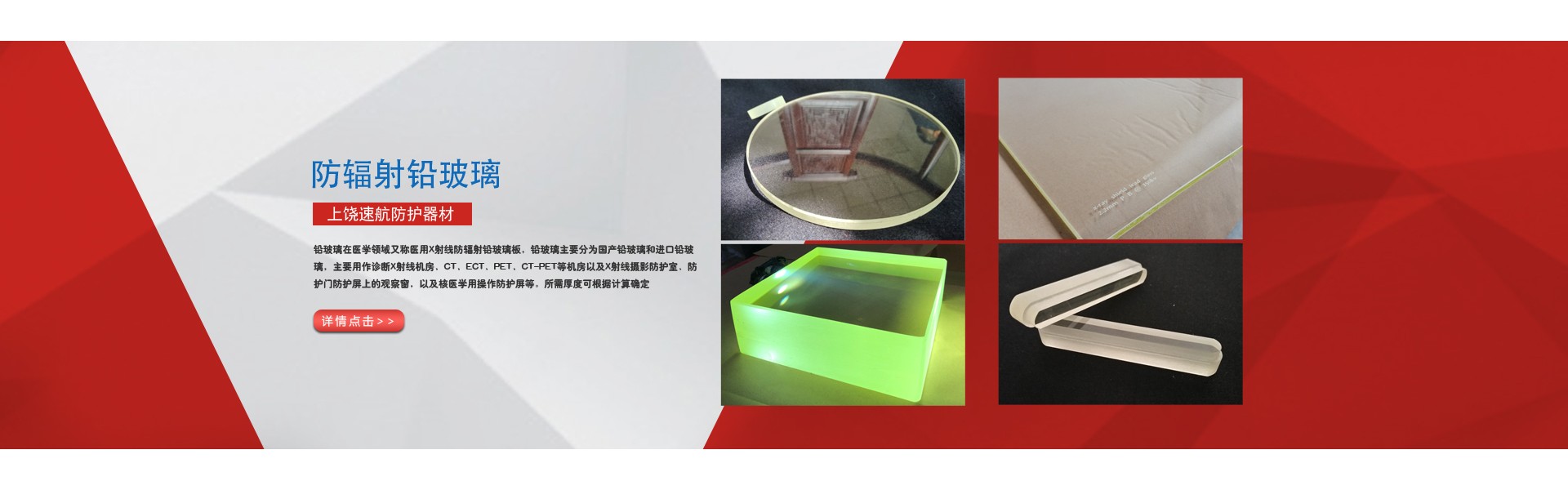


Lead glass raw materials are relatively complex, and can be divided into main and auxiliary materials based on their functions. The main materials constitute the main body of lead glass, determining its primary physical and chemical properties. Auxiliary materials impart special properties to the glass, facilitating the production process.
Primary raw materials for lead glass
Silica Sand or Borax: The primary components of silica sand or borax introduced into glass are silicon dioxide or boron oxide, which can be melted separately to form the main body of glass, determining the main properties of glass. Consequently, they are respectively referred to as silicate glass or borate glass.
2. Soda Ash or Sodium Nitrate: The primary component of soda ash and sodium nitrate introduced into glass is sodium oxide, which can form easily fusible double salts with acidic oxides like silica sand during the calcination process, acting as a flux to facilitate glass shaping. However, if the content is too high, the glass's coefficient of thermal expansion will increase, and its tensile strength will decrease.
Limestone, dolomite, and feldspar: Limestone, the primary component of calcium oxide introduced into glass, enhances its chemical stability and mechanical strength. However, an excessive amount can lead to crystal precipitation in glass, reducing its heat resistance. Dolomite, as a source of magnesium oxide, improves glass transparency, reduces the thermal expansion of leaded glass, and increases its water resistance. Feldspar, as a source of aluminum oxide, controls melting temperatures and improves durability. Additionally, feldspar provides potassium oxide to enhance the glass's thermal expansion properties.
