
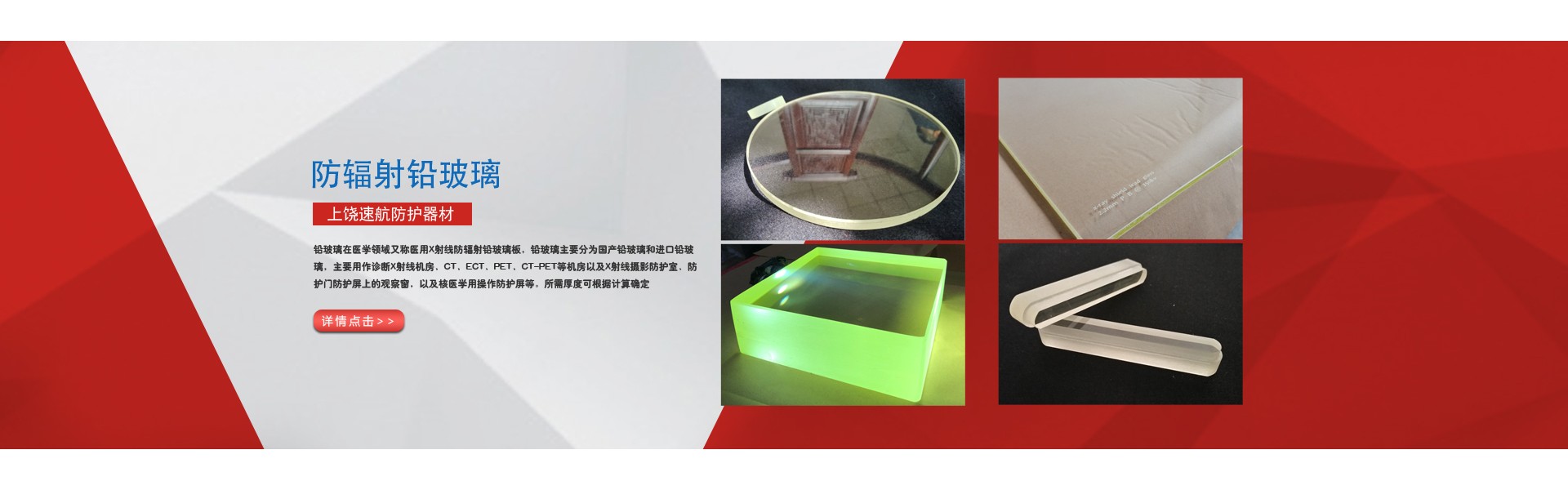


Lead content in low lead glass is approximately 11%, medium lead glass contains 20%, and high lead glass has over 28%. After lead enters the human body, part of it is excreted through feces and sweat, while the rest dissolves into the bloodstream within a few hours, interfering with blood synthesis, leading to anemia and symptoms such as headaches, dizziness, fatigue, drowsiness, constipation, and muscle pain. Some may experience a metallic taste in the mouth, and symptoms like arteriosclerosis, gastrointestinal ulcers, and fundus hemorrhage are also associated with lead pollution. Lead poisoning in children can result in delayed development, loss of appetite, difficulty walking, constipation, insomnia, and in elementary school children, symptoms like hyperactivity, hearing impairments, inattention, and low intelligence. This is due to lead侵入 the brain's nervous tissue through the bloodstream, causing a shortage of nutrients and oxygen, leading to brain tissue damage, which can result in lifelong disabilities in severe cases. Especially during the growth and development stage, children are more sensitive to lead than adults, and the lead absorbed is several times higher. The consequences are particularly severe. Lead entering a pregnant woman's body can pass through the placental barrier, affecting fetal development and causing deformities.
News Center Co., Ltd.
