

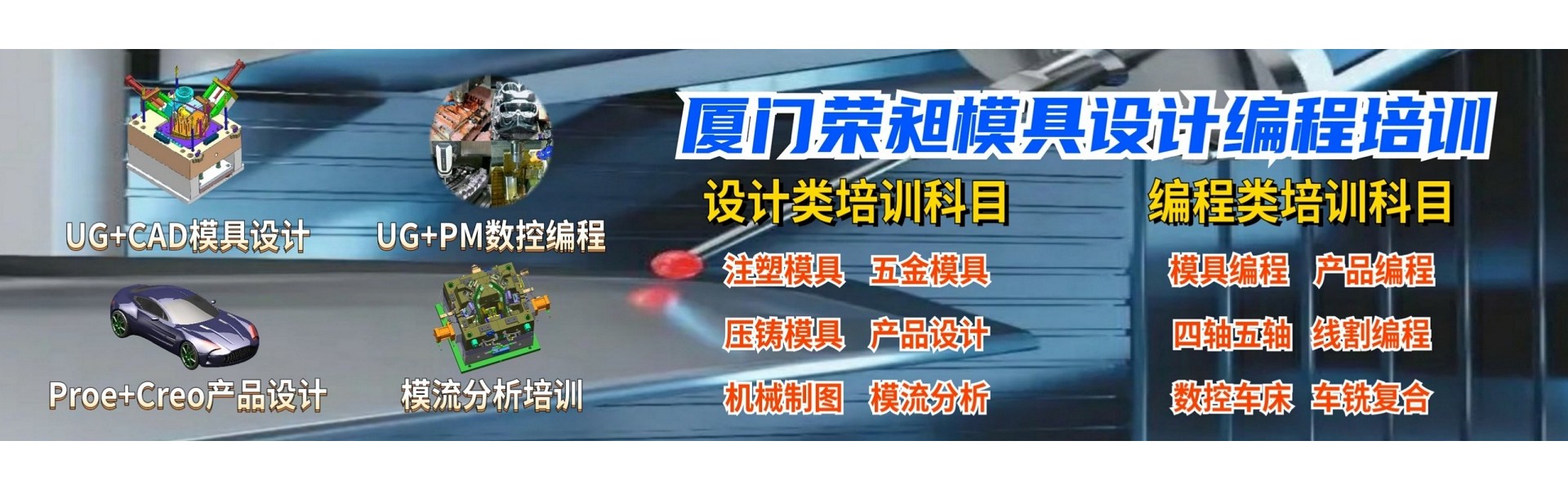
公司主营:UG+CAD Mold Design Training, UG+PM CNC Programming Training, UG+Creo Product Design Training, Mold Flow Analysis Training
15259228365


Product Center
Company Qualification
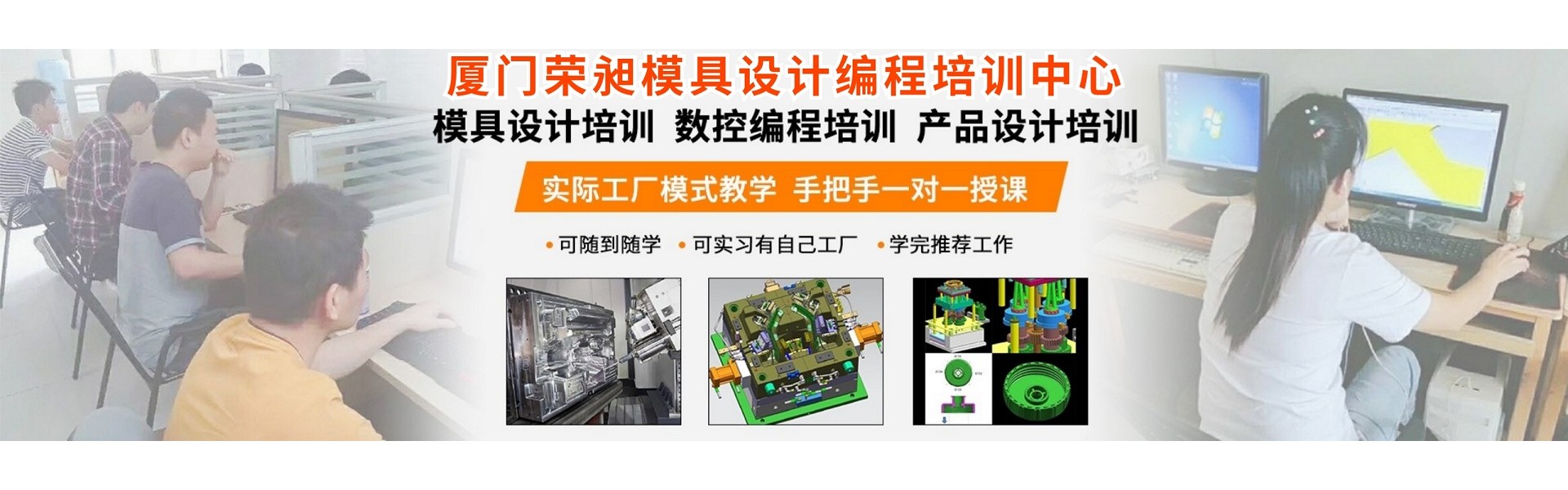
Xiamen Rongchang Mold Training Center CNC Programming Training UG Mold Design Training


Details Introduction
Xiamen Rongchang Mold Design & CNC Programming Training Studio is a professional training studio specializing in mold design and CNC programming. Taught by a mold design engineer with 15 years of experience, the studio offers hands-on, apprentice-style learning, delivering the latest and most practical technologies to meet industry needs. Our goal is to establish a high-quality mold training brand and provide resources for the mold industry.
Can someone with a low education level learn mold design? As long as you're interested and willing to work hard, it's possible! There's a saying: "Learning has no先后, but the accomplished come first." With a good training institution and a skilled teacher to guide you, and through in-depth and systematic study, mold design can be an easy subject to master.
Is there still an advantage to learning mold design? As the "mother of industry," molds have a vast development space. It can be said that as long as there are products, there are molds, and as long as there are molds, there is a need for mold design. With the transformation of enterprises and the improvement of technology and management, China's mold industry has developed rapidly in recent years, especially in the field of automotive molds and export molds, which is particularly prominent. The demand for talents is ever-increasing, and the shortage of mold design personnel in the Pearl River Delta alone is several hundred thousand. Some companies are offering salaries over 10,000 yuan per month but still can't find suitable candidates! Currently, the monthly salary for mold designers with basic training exceeds 6,000 yuan, and after one year, the average salary is around 8,000 yuan. After three years, the salary is generally over 10,000 yuan; this is the advantage of learning mold design! As long as you have the ability to work, you will never be unemployed in your lifetime!
Our Studio's Training Advantages: Can you master mold design by learning just one or two software programs? Don't confuse software training with mold design! Many training schools today, in reality, focus mainly on basic software operations, lacking understanding of the industry's technology!误导学生啊! Our studio is led by engineers with 15 years of experience in the mold industry. Ask yourself, how many training schools would hire instructors with over a decade of experience?
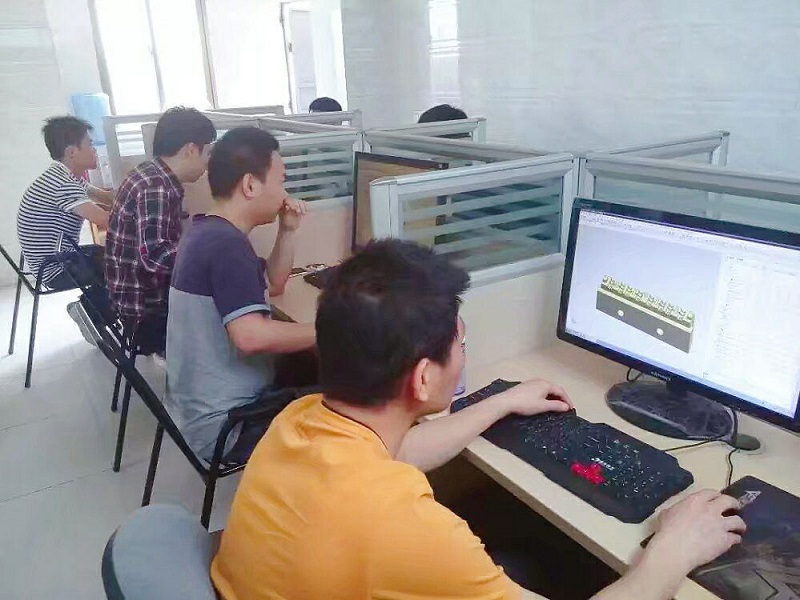
Studio Advantages:
1. Our studio instructors have the three essential skills for mold design: a) mold mechanisms, b) software operation, c) processing technology.
2. Our studio operates through a mentor-apprentice approach. Large training schools may have dozens, if not hundreds, of students, but how many can a teacher really attend to? Moreover, teachers are hired from outside; would they be willing to impart their heart and soul in teaching you?
Are you still struggling to learn technology? Are you still working on the assembly line in a repetitive, mechanical manner? Are you still poring over books, creating things in isolation, or watching online videos? Stop wasting time and money on futile endeavors. Open a design training studio to create such a great learning opportunity and environment for you – an opportunity you definitely shouldn't miss!
Eligible Applicants: Aspiring youth with high school or above education, or workers in the mold and machinery industry such as CNC operators, milling workers, mold fitters, etc., as well as graduates from technical colleges.
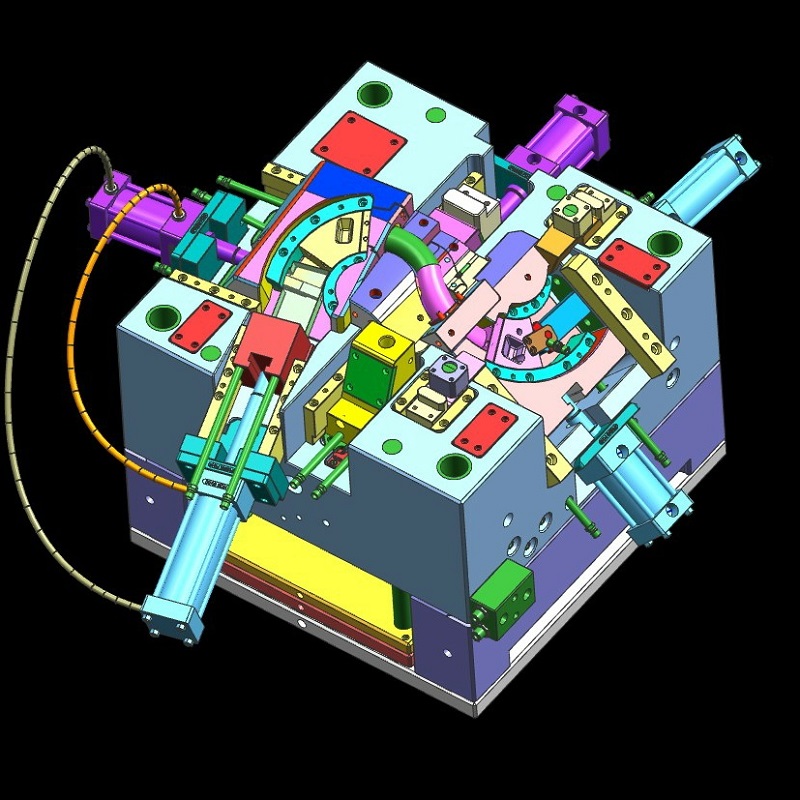
Class Schedule
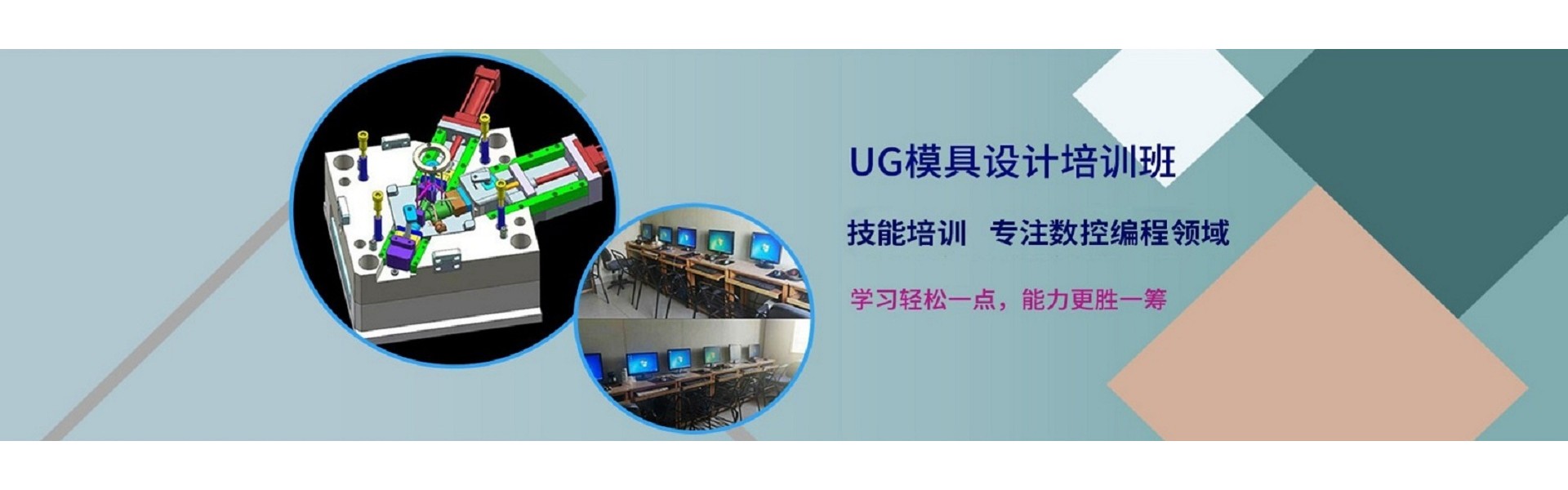
UG Mold Design Stage Learning Content:
1. Mechanical drafting, CAD software commands, fundamental mold knowledge, machining processes, basic steps for drawing assembly diagrams, and the application of CAD auxiliary modules.
2. 3D software command explanations, product modeling, product analysis, DFM creation, export mold standards explanation, and application of 3D auxiliary modules.
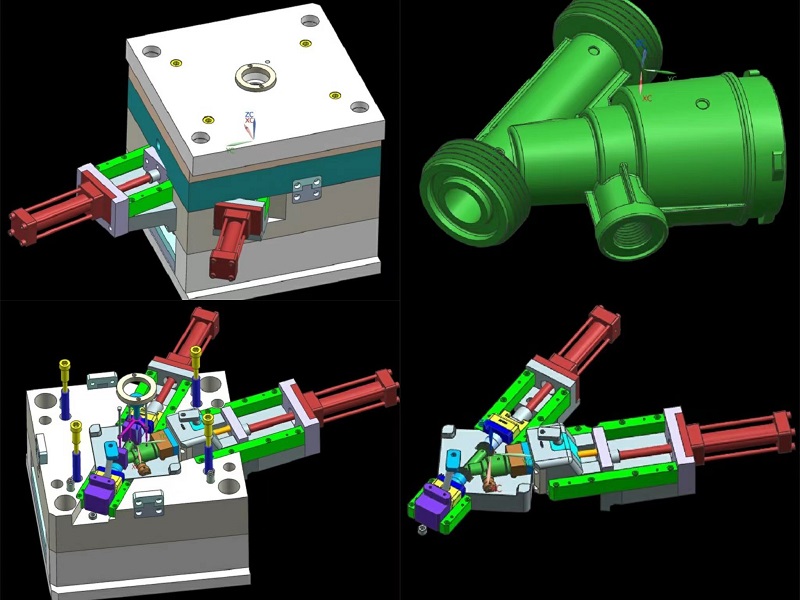
3. Mold Structure Explanation (mold types, slide cores, ejectors, thread forming, N-time parting, etc.), demolding steps, product rational modifications, product parting surface construction, demolding techniques, full 3D, complete 2D assembly drawings.
4. Provide CAD drawings for mold components and UG drawings for mold components; prepare BOM with 0 pieces for ordering.
5. Comprehensive enhancement training, where students design according to the factory's design process, with teachers organizing evaluations and summaries.
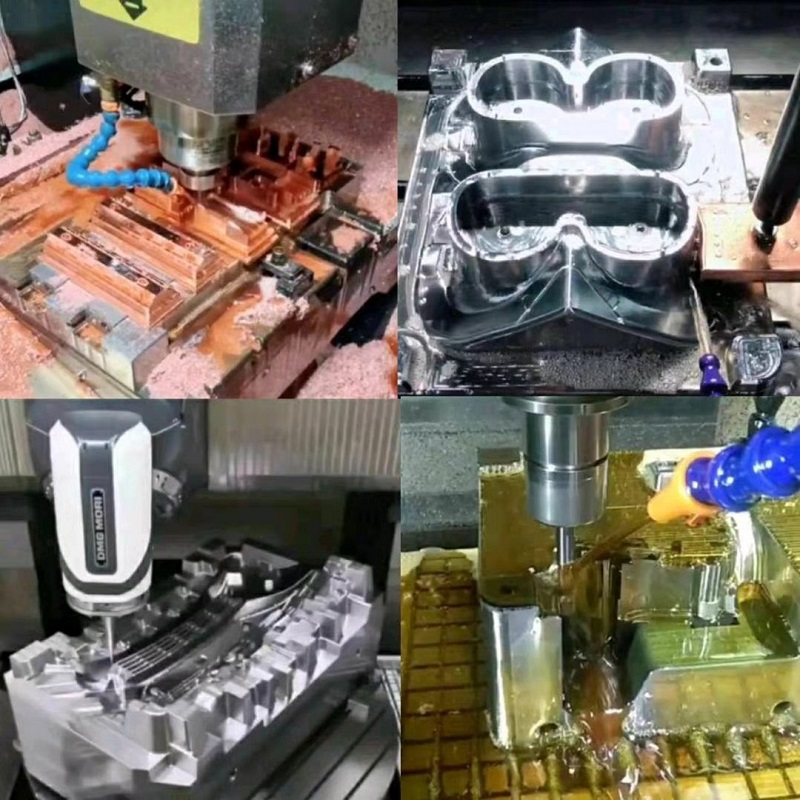
UG CNC Programming Stage Learning Content:
I. Basic Courses:
1. UG Installation and Interface Setup (UG Sketch Examples Explained) 2. Basic UG Modeling Commands 3. UG Curve Applications 4. UG Solid Modeling 5. UG Surface Patch Techniques 6. Product Example Explanation 7. UG Machining Module and Engineering Drawing Tutorial 8. Assembly and Automatic Molding
Section II: Basic Applications of UG Machining Module
1. Face Milling: Know the application, cutting direction, and main parameter settings of face milling.
2. Planer Milling: Know the application, classification, cutting methods for different workpieces, and the setting of main parameters.
3. Cavity Milling: Commonly used for roughing out workpieces, learn to choose the right cutting tools reasonably when the workpiece sizes vary. Cavity milling typically employs a following-around-the-perimeter cutting method, with focus on setting and mastering the main parameters.
4. Cavity milling for re-clearing corners: Mainly for processing the excess material left after the rough cutting with the first tool; setting and mastering of key parameters.
5. Equal Contour Milling: Often used for precision finishing of workpiece sides. When selecting the tool, choose a reasonable one based on the size of the R-radius at the bottom of the workpiece. Setting and mastering the main parameters, example explanation, and combined with practical exercises on the topic.
6. Contour Milling: Often used for the precision finishing of workpiece surfaces, typically utilizing ball-end mills for contour milling. Main parameter settings and control, with example problem-solving and practical exercises related to the topic.
7. Hole Machining: Applications of G81 and G83.
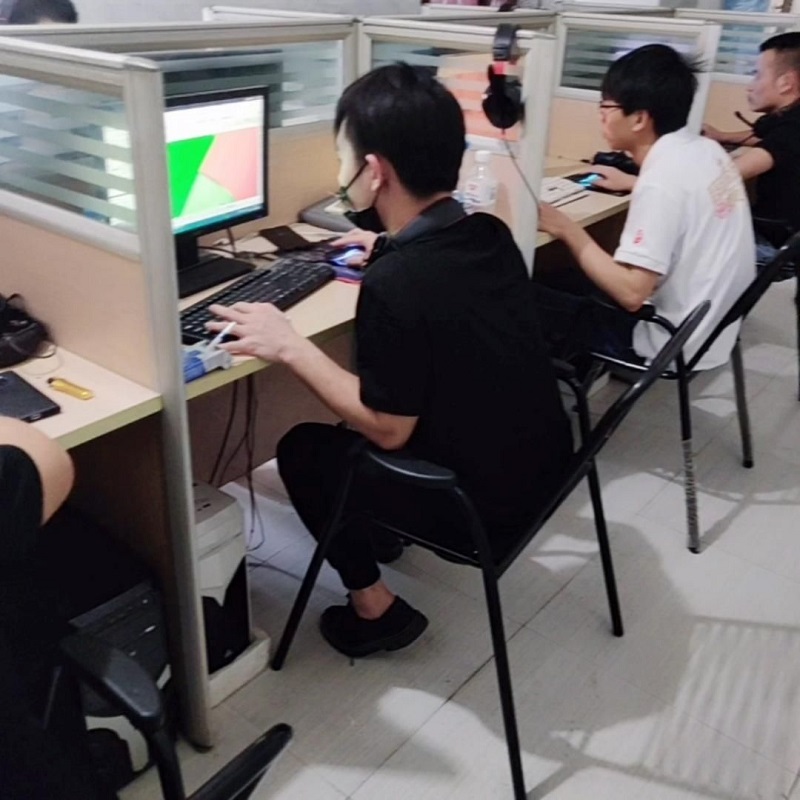
Section 3: Factory Case Study:
1. Electrode Processing: Through multiple electrode examples, exercises, and practice, master the process and clamping of electrode processing, and pay attention to specific points during the processing of special electrodes, such as ultra-high and ultra-thin electrodes.
2. Molding Frame Processing: Proficient in molding frame processing techniques, experienced in handling large-scale molding frame processing.
3. Mold Core Machining: Understanding of common mold core materials, knowledge of mold heat treatment processes, control of stock allowance before heat treatment for mold cores, and precautions when machining the mating surfaces of the front and back mold cores.
4. Full Mold Machining: Mastering the precautions to be taken during the full mold machining process, integrating the common mold processing procedures at the factory and the department's process.
5. Product Processing: Craft considerations and parameter settings during product processing.
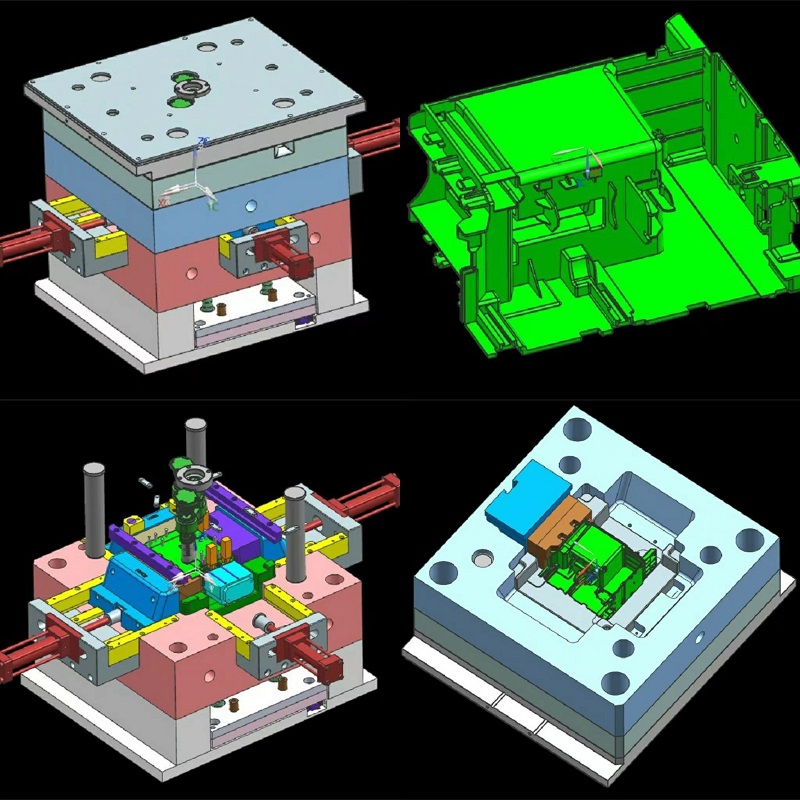
The above learning content can be completed in approximately three months of full-time instruction. Upon completing our courses, you will be very familiar with the factory's operational procedures and possess the equivalent of 2-3 years of work experience. You'll be able to independently perform the role of a mold design and programming engineer. As the saying goes, 'It's better to have a skill in hand than a wallet full of money.' Three months of learning will undoubtedly benefit you for a lifetime.
Teaching Method:
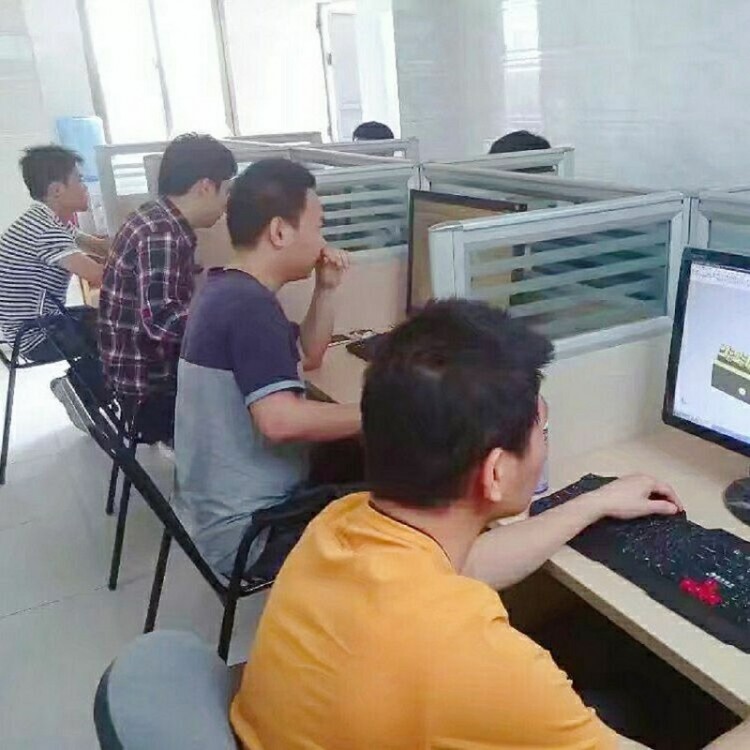
Each person will receive a computer, learn at their own pace with no time limit, until proficiency is achieved.
2. Mentorship and hands-on learning throughout, integrating factory experience, enhanced training.
3. Tailor-made teaching plans for each student, ensuring every exercise is meticulously reviewed by a master before approval, guaranteeing students can work independently from day one.
Educational Advantages:
Factory practical teaching mode. Hands-on instruction. One-on-one tutoring. Organic machine practice in the workshop. Learn and get recommended jobs. We always focus on employment. From zero to mold design expert. Pure mold company on-site practical operation. Emphasis on the cultivation of design concepts and design thinking. Determination of design parameters. Sharing of machining experience. Teaching of trial mold experience.
The studio offers free trial classes, and you can enroll after confirming it suits your needs. Since I personally mentor students, the number of students is limited each month. Please cherish the opportunity for collective progress. We hope friends aspiring to enter the mold design industry will enroll in our studio for learning, and also welcome colleagues to visit for guidance and collaboration! Additionally, the studio provides technical services to the public, boasting a powerful technical alliance and offering technical support to clients!
Scope of service includes:
UG+CAD mold design, UG+Powermill CNC programming, UG+ProE product design, Mastercam programming, product programming with Solidworks, metal mold design, Moldflow flow analysis, etc.
The studio boasts a favorable geographical location, upholds honesty and trustworthiness, and employs a practical teaching approach. This is increasingly attracting many friends from other provinces to travel afar to study and deepen their knowledge in Xiamen.
Welcome, mold enthusiasts and friends, to inquire.
陈师傅 (Mr.)
15259228365
15259228365
28 Hong Dun Lane, Pan Tu Village, Xi Ke Town, Tong'an District, Xiamen City
b2b.china9.net © Zhongshang 114 Hebei Network Technology Co., Ltd.Address: Room 6009, Oriental New World Center, No.118 East Zhongshan Road, Qiaoxi District, Shijiazhuang City, Hebei ProvincePlatform Service Hotline: 4006299930
