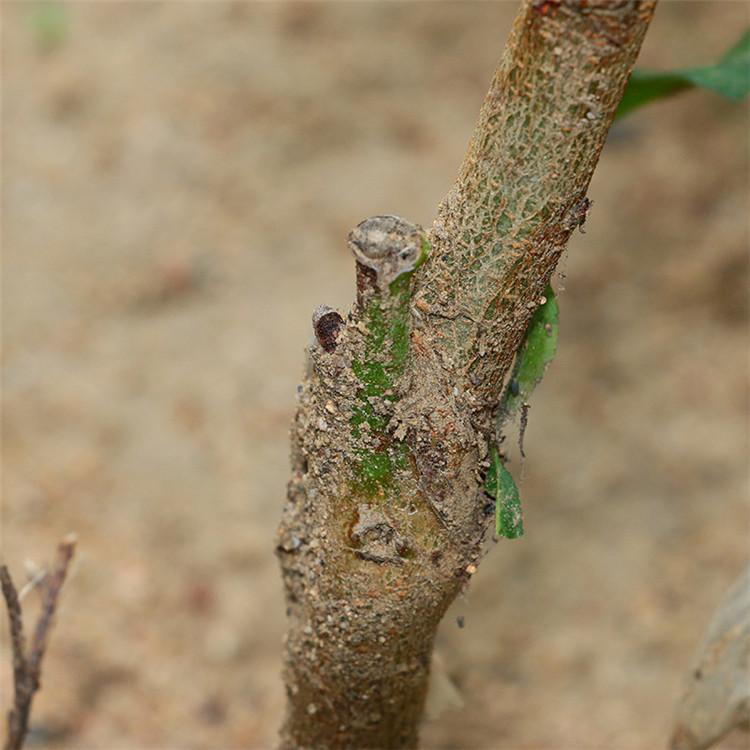


Seedling移植 should include the soil ball to avoid root damage. In Beijing, it is generally recommended to transplant in late May to early June, as the new roots are not yet long and are less prone to injury. There is no need for a recovery period after transplanting. In addition to replacing dead seedlings, weakly growing seedlings should also be replaced with robust reserve seedlings to ensure the uniformity of the new orchard. When replacing seedlings, always use the original variety. After the spring buds emerge, pay attention to the damage caused by the Oriental beetle and the large gray elephant, which feed on buds (leaves). Use a tube made of hard plastic to cover the buds, but make several small ventilation holes to prevent excessive heat inside the tube. For varieties prone to puncturing, such as Black Amber plum, Australian No. 14 plum, and banana plum, apply a 200 times dilution of 50% Dazhenan, 200ml/L of Ximycin solution, 500 times dilution of 50% Fumitong wettable powder, and 0.3 Be beauty lime sulfur emulsion every 10-15 days, for 3-4 consecutive applications. Also, promptly prevent the damage caused by aphids and red spiders. For scion collection, select branches from mature, productive trees with full canopy growth, no pest damage, and full, round buds. For grafting methods, single-bud cleft grafting can be used. The specific procedure involves cutting the scion at a 45-degree angle, flipping the cut surface upwards, and then cutting the bark layer from the bud point. The cut surface should be smooth, and the scion should be turned to have the bud point upwards. Cut the scion at about 0.4 cm from the bud, making the cut at a 45-degree angle. The scion should be placed so that it matches the size and length of the stock cut. Tie the scion with a film strip cut from seedling film. After understanding the type, concentration, dosage, and timing, apply them to production. For intercropping in plum orchards established for 1-3 years, intercrop with low-growing crops like peanuts, beans, and potatoes to enhance early economic benefits, but ensure a distance of about 1 meter from the young trees to avoid hindering their growth. In northern dry and cold regions, avoid planting vegetables like cabbage and radishes, as excessive watering can lead to excessive shoot growth in young trees in autumn, making the tree body unstocky and attracting eggs of the leafhopper, which can cause the young trees to dry out over winter. 2. Proper Fertilization Proper fertilization is the foundation for high yields in plum trees. Only by appropriately increasing organic fertilizers, timely applying chemical fertilizers, and supplementing with foliar sprays can plum trees achieve high yields and quality fruit. 1. Base fertilizer: It is best to apply it in early autumn, around mid-September in Beijing, combined with deep tilling. Apply phosphorus fertilizer and organic fertilizers together, along with a small amount of nitrogen fertilizer, to enhance the absorption of nutrients by the plum tree roots that year.
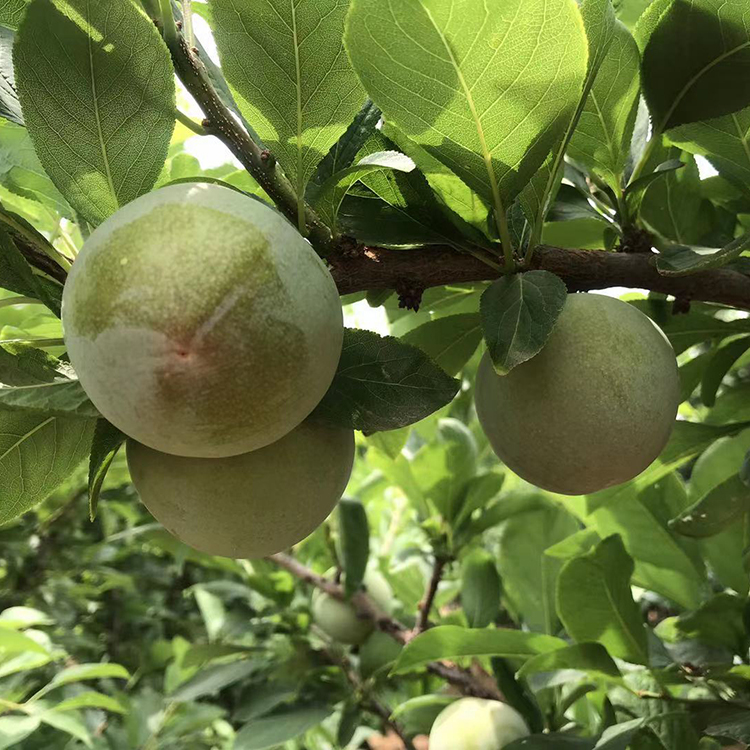
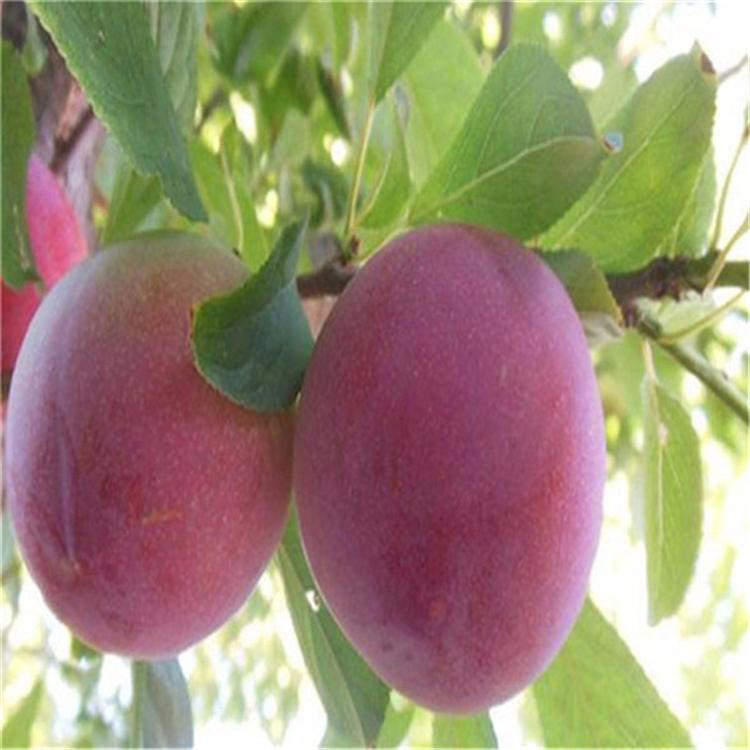
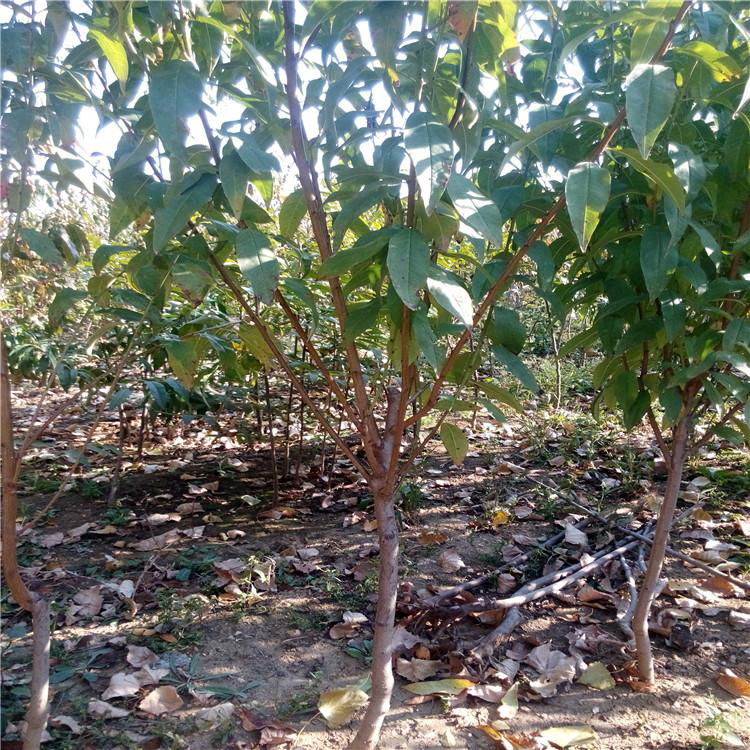
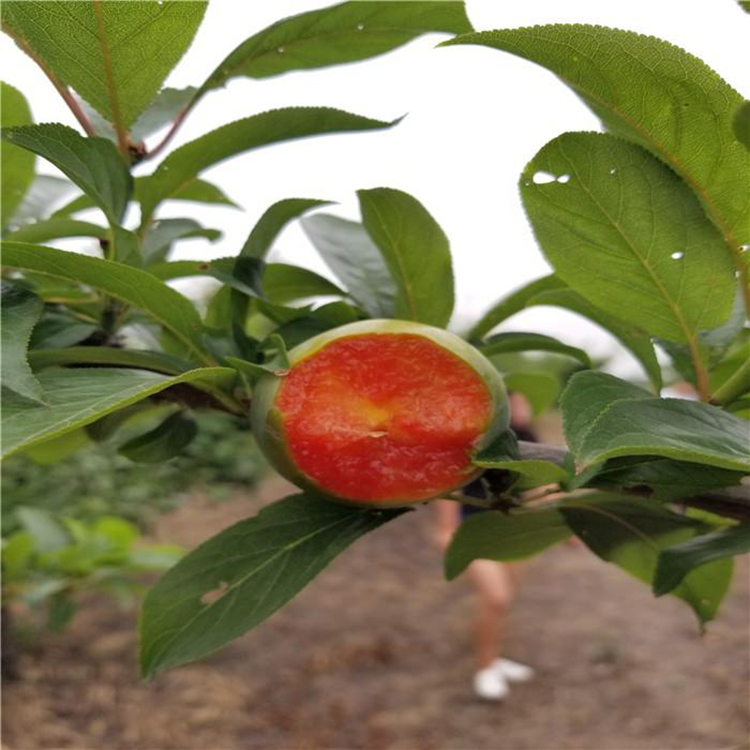
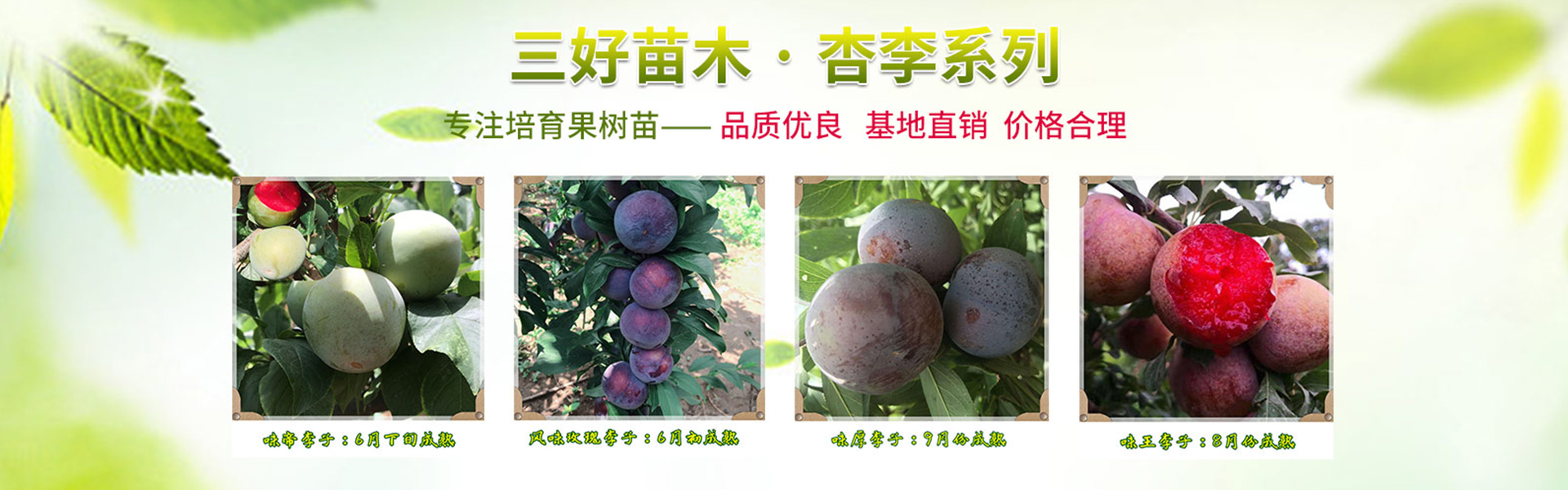
Wade Emperor plum ripens in late June and early July, classifying as an early-maturing plum variety, with 75% plum genes and 25% apricot genes. The outer layer of the fruit skin has a fruit powder coating, the skin is light purple with red spots, smooth, the flesh is red, the fruit has high hardness, and high sugar content, up to 20%, with a strong, pleasant fragrance. The fruit is large, with a single fruit weight of 55-120 grams. Cultivation points for Wade Emperor plum seedlings: The Wade Emperor seedlings are highly adaptable, drought-resistant, and tolerant of poor soil. They have a rich fragrance and are very refreshing. They are cross-pollinated and have a low self-pollination rate, requiring a pollination tree. 1: Pay attention to the selection of pollination varieties. The Wade Emperor is a cross-pollinated variety with a low self-pollination rate, and an appropriate pollination variety should be planted. Suitable pollination varieties for Wade Emperor are Flavor Rose, Flavor King, Flavor Thick, and Dinosaur Egg. 2: Planting Density. The planting density of Wade Emperor should be determined based on the site conditions. Generally, the planting density is 3m x 4m to 2m x 4m, with 55-83 trees per acre. 3: Pruning Techniques. The Wade Emperor has a strong tree vigor, an open growth habit, and lateral buds are easy to sprout and branch. The appropriate high-yielding tree shape is the natural open shape and the sparse layered shape. Pruning should focus on thinning branches and slow release, minimizing short-cuts. Remove vigorous branches, dense branches, and cross branches in the inner canopy and various parts of the crown to improve tree structure, ventilation, and light conditions, balance tree nutrition, and ensure fruit yield and quality. The Wade Emperor primarily produces fruit on cluster fruiting branches and short fruiting branches, accounting for about 85-90% of the total fruit production. In the early fruiting period, each tree should retain 150-250 fruits, and in the full fruiting period, 400-600 fruits per tree. Recommended planting density and suitable tree shape for Wade Emperor plum seedlings: [There are no unproductive tree shapes, only unproductive tree vigor.]