

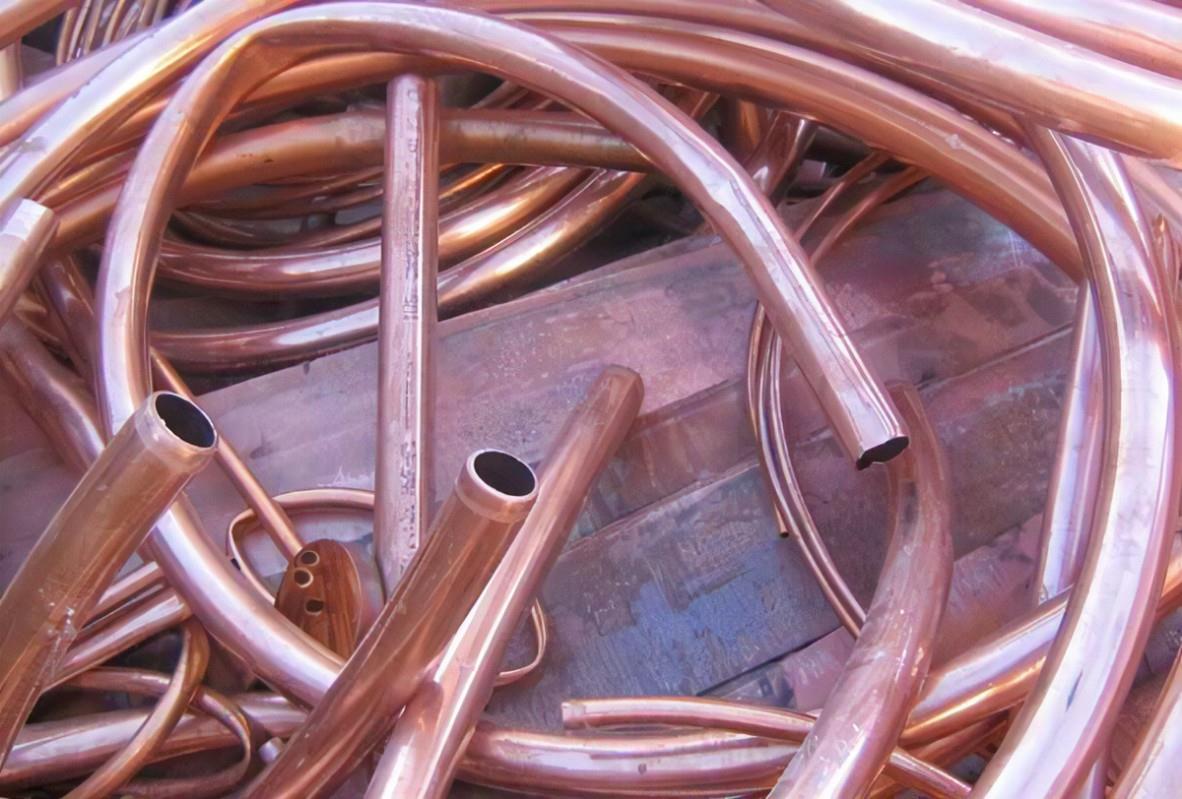
How is the economic benefit of recycling and utilizing recycled resources? In recent years, to encourage people to recycle resources, the country has successively introduced and implemented a series of policies. Simultaneously, with the continuous advancement of the battle against pollution prevention and control and the increasing intensity of environmental supervision, the total amount and value of recycled resources in China have shown rapid growth. According to incomplete statistics, China has nearly 100 million tons of recyclable resources annually, valued at over 2 trillion yuan, including over 40 million tons of scrap steel, over 30 million tons of scrap paper, over 5 million tons of scrap non-ferrous metals, 6 million tons of scrap plastic, over 50 million tires, and over 10 million tons of other scrap materials. In addition, China has imported over 20 million tons of various recycled resources annually in recent years. If industrial and mining enterprises' self-collected and self-used waste materials are included, the annual value of recycled resources in China could reach over 4 trillion yuan.
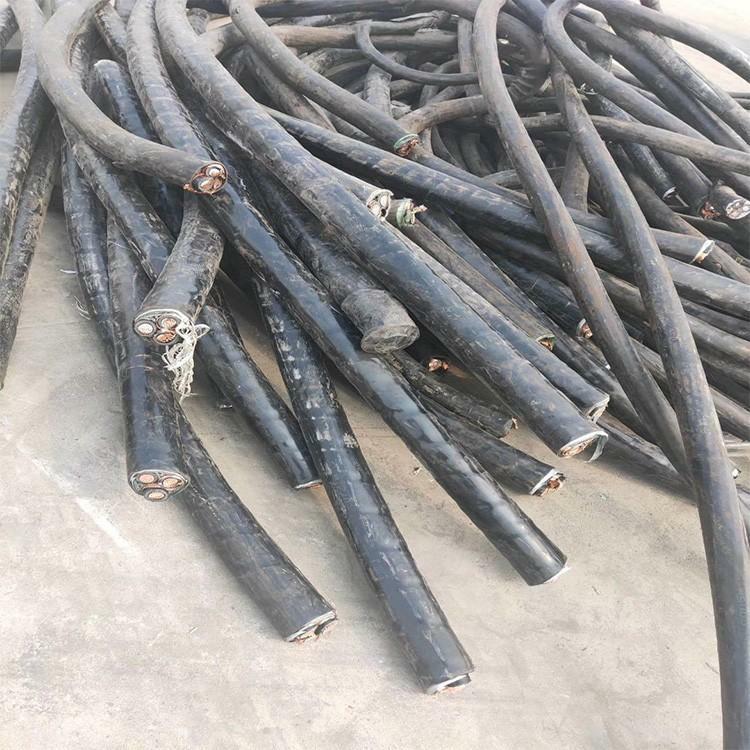
The recycling resource industry, unlike other traditional industries, must not only achieve economic benefits but also take environmental and social benefits into account. It is a comprehensive system project integrating economy, technology, and social management. We should learn from the advanced experience of developed countries, formulate policies and measures to encourage technological innovation and investment in construction, and match strict and scientific social management methods to make the recycling and reuse of resources a conscious action of enterprises, government agencies, groups, and all citizens, jointly creating a beautiful world with economic prosperity, pleasant environment, and harmonious coexistence between humans and resources!
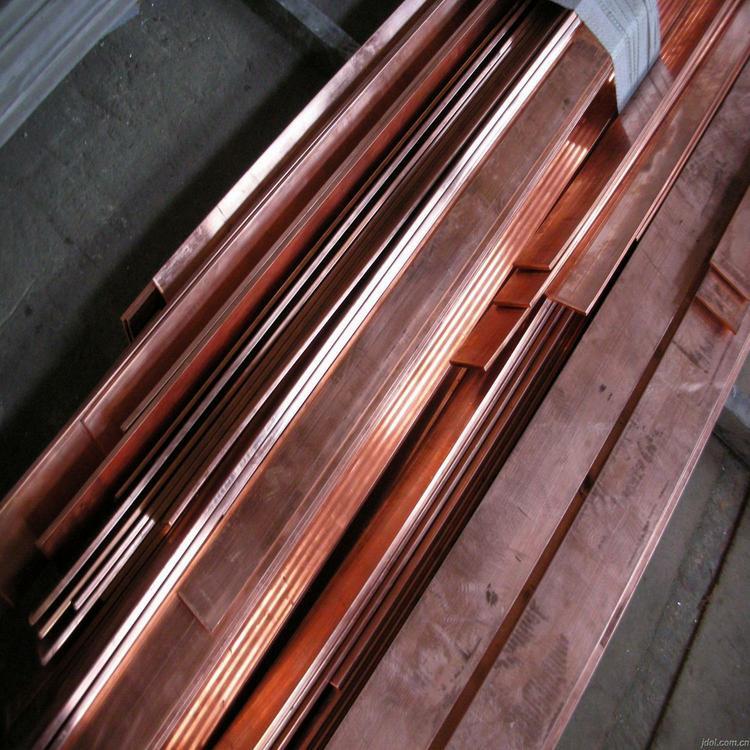
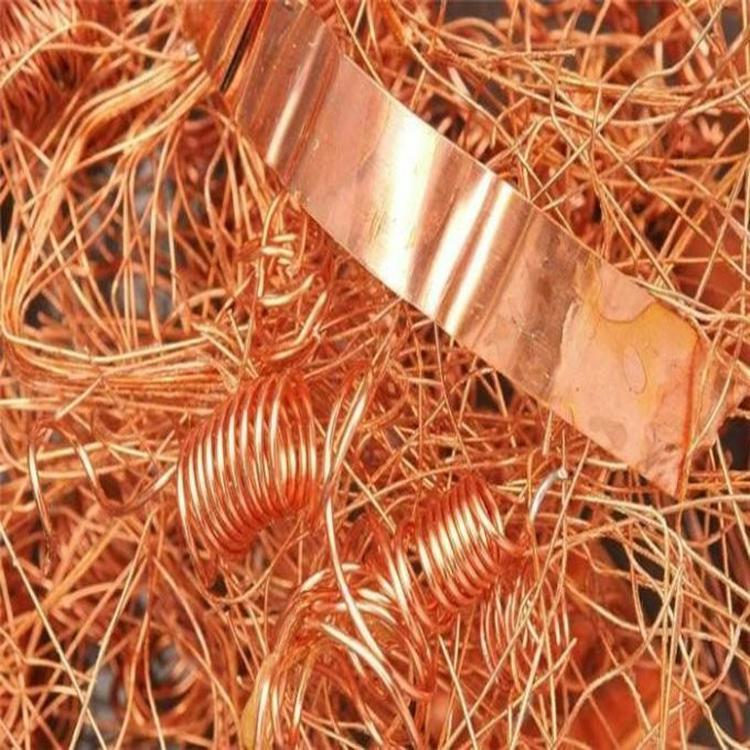
1. Copper: Refers to pure copper, including varieties such as oxygen-free copper, brass, phosphorus deoxidized copper, and silver copper.
2. Brass: Refers to an alloy based on copper and zinc, which can be further divided into simple brass and complex brass. In complex brass, the third element is named, such as nickel brass, silicon brass, etc.
3. Bronze: Refers to copper-based alloys excluding copper-nickel and copper-zinc alloys, mainly including tin bronze, aluminum bronze, and special bronze (also known as high-copper alloys).
4. Beryllium copper: Refers to copper-nickel alloy.
1. Power Transmission: Large quantities of highly conductive copper are required for power transmission, primarily used in power cables, busbars, transformers, switches, connectors, and junctions.
2. Electric Machine Manufacturing: In electric machine manufacturing, high-conductivity and high-strength copper alloys are widely used. The main copper components include stators, rotors, and shaft ends, etc.
3. Communication Cables: Since the 1980s, fiber optic cables have been rapidly replacing copper cables in communication trunk lines due to their high carrying capacity and other advantages. However, converting electrical energy into light energy and transmitting it to users still requires a significant amount of copper. As the communication industry grows and our reliance on communication increases, the demand for both fiber optic cables and copper wires will continue to rise.
4. Residential electrical wiring
5. Electronic Vacuum Devices: These devices primarily include high-frequency and ultra-high-frequency tubes, waveguides, magnetrons, etc., which require high-purity oxygen-free copper and dispersion-strengthened oxygen-free copper.
6. Printed Circuit Boards: Copper printed circuit boards are constructed by attaching copper foil to a supporting plastic board; the circuit layout is then printed onto the copper surface using photographic methods. Excess material is removed through etching, leaving the interconnected circuits. Holes are punched at the points of external connection on the printed circuit board, and the terminals of discrete components or other parts are inserted and焊接ed into these holes. This completes the assembly of the entire circuit.
7. Integrated Circuit
8. Lead Frame: Copper alloy offers low cost with high strength, conductivity, and thermal conductivity, excellent processing properties, solderability, and corrosion resistance. Through alloying, its properties can be controlled over a wide range, making it a suitable material for lead frames and an important component. It is currently one of the most widely used materials for copper in microelectronic devices.
9. Energy Industry: Utilizing solar energy also requires a significant amount of copper piping. For instance, a hotel pool near London, UK, equipped with a solar heater, can maintain water temperatures between 18~24°C during summer. The solar heater contains 784 pounds (3,56 kg) of copper piping.
10. Petrochemical Industry: Copper and many copper alloys exhibit excellent corrosion resistance in solutions, non-oxidizing acids such as acetic acid, citric acid, fatty acids, lactic acid, oxalic acid, and various alkalis excluding ammonia, as well as non-oxidizing organic compounds like oils, phenols, and alcohols. Therefore, they are extensively used in the petrochemical industry for manufacturing various devices such as containers, pipeline systems, filters, pumps, and valves that come into contact with corrosive media. They are also utilized for their thermal conductivity in the production of evaporators, heat exchangers, and condensers. Due to copper's excellent malleability, it is particularly suitable for manufacturing complex heat exchangers with intricate copper tube interweaving in modern chemical industries. Additionally, bronze is used to produce tools in oil refining plants; it is non-sparking during impact, preventing the occurrence of fires.
11. Marine Industry: With over 70% of the Earth's surface covered by oceans, the rational development and utilization of marine resources have gained increasing attention. Seawater contains chloride ions, which are corrosive, making many engineering metals like steel, aluminum, and even stainless steel susceptible to corrosion. Additionally, marine biofouling can form on the surfaces of these materials, as well as on non-metals like wood and glass. Copper, however, stands out; it is not only corrosion-resistant but also, the copper ions dissolved in water have antibacterial properties, preventing marine biofouling. Therefore, copper and its alloys are crucial materials in the marine industry, widely used in desalination plants, offshore oil and gas platforms, and other coastal and underwater facilities. This includes pipeline systems, pumps, and valves used in desalination processes, as well as equipment on oil and gas platforms, such as bolts and drills for splash zones and underwater use, anti-biofouling covers, pumps, valves, and pipeline systems, etc. The application of copper and copper alloys in ships will be discussed in a later section.
12. Ships: Many copper alloys, such as aluminum bronze, manganese bronze, aluminum brass, gunmetal (tin-zinc bronze), brass, and nickel copper alloys (Monel), have become standard materials for shipbuilding due to their excellent corrosion resistance in seawater. Generally, copper and copper alloys account for 2~3% of the gross weight of commercial ships. The propellers of most large commercial ships are made of aluminum bronze or brass. Each propeller for large ships weighs 20~25 tons. The propellers of the Queen Elizabeth and the Queen Mary weigh up to 35 tons each.
13. Automotive: Copper used in cars ranges from 10 to 21 kilograms per vehicle, varying with the type and size, accounting for approximately 6 to 9% of the car's weight for compact cars. Copper and copper alloys are primarily used in radiators, brake system piping, hydraulic devices, gears, bearings, brake friction pads, distribution and power systems, washers, and various connectors, accessories, and trimmings. The radiator is the component that uses the most copper. Modern tube-type radiators are made by welding brass strips into radiator tubes and bending thin copper strips into fins.
14. Railways: The electrification of railways requires a significant amount of copper and copper alloys. Over 2 tons of special-shaped copper wire are needed per kilometer of overhead conductor. To enhance its strength, a small amount of copper (about 1%) or silver (about of%) is often added. Moreover, the motors, rectifiers, and control, braking, electrical, and signaling systems on trains all rely on copper and copper alloys for operation.
15. Aircraft: The navigation of airplanes also relies on copper. For instance, copper materials are used in wiring, hydraulic, cooling, and pneumatic systems within airplanes. Aluminum bronze tubing is used for bearing retainers and landing gear bearings, navigational instruments employ antimagnetic copper alloys, and various instruments utilize copper elastic elements, etc.
16. Mechanical Engineering: Copper components can be found in almost all types of machinery. In addition to the extensive use of copper in motors, circuits, hydraulic and pneumatic systems, and control systems, there are numerous parts and fasteners made from brass and bronze, such as gears, worm gears, worms, connectors, fasteners, twisting elements, screws, and nuts, which are widely used.
17. Metallurgical Equipment: The metallurgical industry is a major consumer of electrical power, often referred to as "the power user." In the construction of metallurgical plants, it is typically necessary to have a large-scale transmission and distribution system, as well as power operation equipment, that rely on copper for operation. Moreover, in fire metallurgy, continuous casting technology has taken a leading position, with key components like the crystallizer, mostly made of high-strength and high thermal conductivity copper alloys such as chrome copper and silver copper. Vacuum arc furnaces and electroslag furnace water-cooled crucibles in electro metallurgy are manufactured using copper tubing, and various induction heating inductors are wound from copper tubes or non-standard copper tubes, with water circulation for cooling.
18. Alloy Additives: Copper is an important additive element in alloys such as steel and aluminum. The addition of a small amount of copper (0.2~0.5%) to low-alloy structural steel can enhance its strength and resistance to atmospheric and marine corrosion. Adding copper to corrosion-resistant cast iron and stainless steel can further improve their corrosion resistance. High-nickel alloys containing about 30% copper, known as "Monel" alloys, are highly corrosion-resistant and widely used in the nuclear industry.
19. Air Conditioners and Refrigeration Units: The temperature control function of air conditioners and refrigeration units is primarily achieved through the evaporation and condensation of copper tubes in the heat exchangers. The size and thermal conductivity of the heat exchange tubes greatly determine the overall efficiency and miniaturization of the air conditioning and refrigeration systems. High-conductivity copper tubes of non-standard shapes are used in these machines. By utilizing the excellent machinability of copper, recently developed and produced heat exchange tubes with internal grooves and high fins have been created, which are used to manufacture heat exchangers for air conditioners, refrigeration units, chemical industry, and waste heat recovery systems. This results in a total thermal conductivity coefficient of the new heat exchangers up to 2-3 times that of conventional tubes and 1.2-1.3 times that of conventional low-fin tubes. These are already in use domestically, saving 40% of copper and reducing the volume of the heat exchangers by over 1/3.
20. Watches: The watches, timers, and devices with watch mechanisms currently produced are mostly made with "watch brass." The alloy contains 1.5-2% lead and has good workability, suitable for mass production.
21. Papermaking: In today's rapidly changing information society, paper consumption is substantial. While paper may seem simple on the surface, the papermaking process is actually quite complex, involving numerous steps and a variety of machinery, such as coolers, evaporators, pulpers, and paper machines. Many components, including various heat exchangers, rollers, beating bars, semi-liquid pumps, and screens, are mostly made of steel alloys.
22. Printing: Photographic plate-making is done using copper plates in the printing process. After the polished copper plates are sensitized with light-sensitive emulsion, images are formed on them through photography. The sensitized copper plates must be heated to harden the emulsion. To prevent softening due to heat, a small amount of silver or arsenic is often added to the copper to increase the softening temperature. Then, the plates are etched to form a printing surface with a pattern of raised and recessed dots. On automatic typesetting machines, type blocks made of leaded brass are used to arrange the layout of the plates, which is another important use of copper in printing. Type blocks are typically made of leaded brass, and sometimes copper or bronze are also used.
23. Brewing: Copper plays a significant role in the world of beer brewing. It is commonly used for the interior lining of malt vats and fermentation tanks. Some breweries have over a dozen large vats, each capable of holding over 20,000 gallons. In fermentation tanks, stainless steel pipes are often used for water-cooled cooling. They also use steel pipes to heat the beer during brewing with steam and to transport the liquid. For distilling whiskey and other spirits, steel distillation pots are typically used. Whiskey malt requires two distillations, necessitating two large copper distillation pots.
24. Industrial: Pure copper is used for various steam, boiling, and vacuum equipment. Copper alloys are also commonly used for eyeglass frames, etc.
25. Pipe Systems: Copper piping offers aesthetic appeal, durability, ease of installation, safety, fire resistance, and hygiene, making it significantly more cost-effective compared to galvanized steel pipes and plastic pipes.
26. Home Renovation: The use of steel for roofing and eaves in Europe is a long-standing tradition, with even Scandinavian countries using it for wall decoration. Copper is excellent for its resistance to atmospheric corrosion, durability, recyclability, and good workability, allowing for the creation of complex shapes with its attractive colors. Therefore, it is highly suitable for home renovation. Its application on the roofs of ancient buildings like churches has a long history, still shining brightly today; and its use in modern large-scale buildings, including apartments and residential complexes, is increasingly common. For example, in London, the "Commonwealth Building," a symbol of modern British architectural art, has a complex steel roof weighing approximately 25 tons; the Crystal Palace Sports Centre, opened in 1966, features a wave-shaped roof made of 60 tons of steel, etc. Statistics show that the average annual copper consumption per person for roofing in Germany is 0.8 kg, and in the United States, it is 0.2 kg. Additionally, interior decorations such as door handles, locks, blinds, balusters, lighting fixtures, wall decorations, and kitchenware, among others, made of steel are not only durable and hygienic but also add an elegant touch, making them popular among consumers.
27. Sculptures and Artifacts: No metal in the world is as widely used in the production of various crafts as steel, a material that has been enduring and popular throughout history. In today's urban development, a variety of memorials, bell casting, cauldrons, statues, Buddha figures, replicas, and more extensively utilize cast copper alloys. Modern musical instruments, such as flutes made from white steel and saxophones from brass, also require various copper alloys. Exquisite, affordable gold-plated and imitation gold, silver jewelry also necessitate a range of copper alloys.
28. Currency: Since the ancestors of humanity began using coins, copper and its alloys have been used to mint them, passed down through the ages. With the development of modern便民 activities like coin-operated phones, public transportation, and shopping, the demand for metal in coin production has only increased. In the application of copper coins, aside from changing sizes, it is convenient to use different alloy compositions and alter alloy colors to manufacture and differentiate various denominations. Common types include the "silver" coin with 25% nickel, brass coins with 20% zinc and 1% tin, and "copper" coins with a small amount of tin (3%) and zinc (1.5%). Worldwide, the production of copper coins annually consumes thousands of tons of copper. Just the London Royal Mint produces 700 million copper coins each year, requiring approximately 7,000 tons of metal.
29. Chinese Computer: Information technology is the pioneer of high technology. It relies on the crystallization of modern human wisdom - the computer, a tool that processes and handles information that is ever-changing and vast. The heart of the computer is composed of the microprocessor (including the arithmetic and control units) and the memory. These basic components (hardware) are large-scale integrated circuits, which are tiny chips with millions of interconnected transistors, resistors, capacitors, and other elements for rapid numerical calculations, logical operations, and massive information storage. These integrated circuit chips must be assembled with lead frames and printed circuit boards to function. As seen in the previous chapter "Applications in the Electronic Industry," copper and its alloys are not only important materials in lead frames, solder, and printed circuit boards but also play a crucial role in the interconnection of the tiny components of integrated circuits.
30. Superconductivity and Low Temperature: Generally, the resistance of materials (except for semiconductors) decreases with decreasing temperature. When the temperature is lowered to a very low point, the resistance of certain materials can completely vanish, a phenomenon known as superconductivity. The temperature at which superconductivity occurs is referred to as the material's critical superconducting temperature. The discovery of superconductivity has opened up a new realm for the utilization of electricity. Since resistance is zero, a very small voltage can produce an extremely large (theoretically infinite) current, generating immense magnetic fields and forces; or, when current passes through it, there is no voltage drop and no energy loss. Clearly, its practical applications will bring about transformations in human production and life, and it has garnered considerable attention.
31. Agricultural and Livestock Applications: Steel compounds serve as effective bactericides to eliminate pests and diseases, controlling all ailments caused by molds or fungi. In addition to copper-fumigated seeds, copper salt solutions are commonly used in orchards and farmlands. Notable among them are Bordeaux mixture (limed copper solution), named after the French grape-producing region, and Bertholdi mixture (soda copper solution), along with other products like Zincox.
32. High Energy Physics: Unveiling the mysteries of the structure of matter is a major fundamental subject pursued by scientists. With each step of deeper understanding, significant impacts are brought to humanity. The utilization of atomic energy today is an example. Modern physics research has already discovered that the small constituent units of matter are not molecules and atoms, but quarks and leptons, which are billions of times smaller. The study of these fundamental particles often requires reaction energies hundreds of times higher than those of nuclear reactions, known as high-energy physics. Such high energy is obtained either through the "collisions" of charged particles accelerated over long distances in a strong magnetic field towards a fixed target (high-energy) or through the head-on collisions of two streams of particles moving in opposite directions (colliders). To achieve this, steel is used to construct long channels of strong magnetic fields. Additionally, similar structures are needed in controlled thermonuclear reaction devices. To reduce the temperature rise due to the heating caused by high currents, these magnetic channels are wound from hollow, non-standard copper rods to allow the introduction of a cooling medium.